
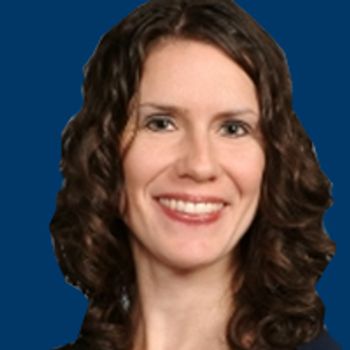
Sarah Rutherford, MD, discusses rare DLBCL subtypes, ongoing research to improve outcomes for these patient populations, and the potential role of CAR T-cell therapy.
Sarah Rutherford, MD, discusses rare DLBCL subtypes, ongoing research to improve outcomes for these patient populations, and the potential role of CAR T-cell therapy.
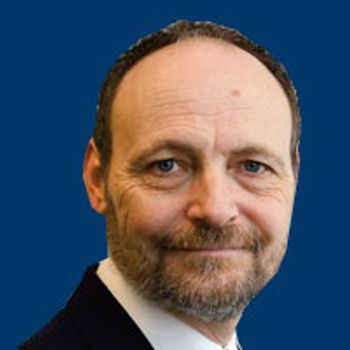
Michael J. Birrer, MD, PhD, discusses some of the exciting data presented at the 2017 ASCO Annual Meeting, especially with olaparib (Lynparza) in SOLO2, and what other emerging advancements are poised to transform the landscape.
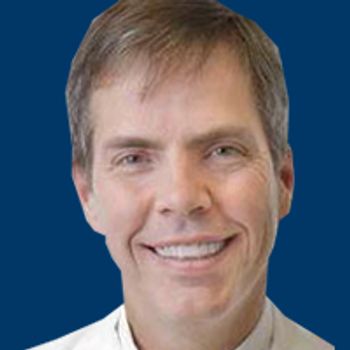
John C. Byrd, MD, sheds light on the game-changing efficacy of ibrutinib in chronic lymphocytic leukemia.
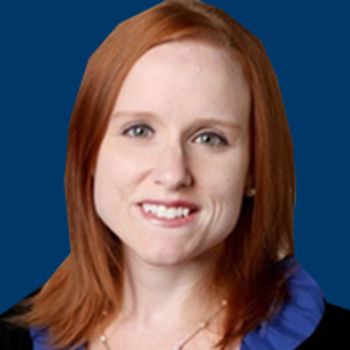
Christine M. Lovly, MD, PhD, discusses the changing treatment landscape for patients with EGFR-mutant and ALK-positive NSCLC.
Eric Lambright, MD, discusses the ongoing role of surgery in the treatment of patients with lung cancer.
Key opinion leaders spoke with OncLive to share the top-5 abstracts they find to be the most exciting and/or potentially practice-changing across breast cancer, lung cancer, genitourinary cancers, gastrointestinal cancers, hematologic malignancies, and supportive care being presented at the 2017 ASCO Annual Meeting.
Susan Garwood, MD, discusses biopsy advancements and the future of techniques in lung cancer.
Kari B. Wisinski, MD, discusses the evolving but challenging field of TNBC and what therapies are moving through the pipeline in TNBC and other breast cancer subtypes.
Mark Burkard, MD, PhD, discusses the steps researchers are taking to address questions on genomics in breast cancer and what subtypes pose the greatest challenges.
Amye J. Tevaarwerk, MD, discusses how physicians decide on extending endocrine therapy beyond 5 years for patients with ER-positive breast cancer, the tools she hopes will soon become available to help clarify this decision, and the clinical research in this population she is eagerly awaiting.
Ruth O’Regan, MD, provides insight on the evolving landscapes of ER-positive and HER2-positive breast cancers, and what regimens remain solid approaches for effective patient outcomes.
Kebede H. Begna, MD, discusses the diagnosis and treatment of patients with myeloproliferative neoplasms, including polycythemia vera, essential thrombocytopenia, and myelofibrosis.
Ronald S. Go, MD, provides perspective on thrombotic microangiopathy and paroxysmal nocturnal hemoglobinuria, including how community physicians can properly diagnose and treat them.
Sameer A. Parikh, MD, discusses how the International Prognostic Index has assisted physicians with their patients who have CLL, the optimal sequencing of therapies, and other emerging molecular targets in this disease.
Lisa Fucito, PhD, discusses why it is imperative for patients to quit smoking after a head and neck cancer diagnosis.
Prashant Kapoor, MD, discusses the importance of minimal residual disease negativity, using International Myeloma Working Group criteria, and field-changing pivotal data in multiple myeloma.
Aref Al-Kali, MD, discusses some of the recent advancements, exciting ongoing trials, and largest unanswered questions in AML.
Ramaswamy Govindan, MD, discusses the rapid therapeutic changes in NSCLC and the sequencing questions physicians are currently asking.
Dennis Scribner, MD, discusses the treatment landscape for patients with recurrent ovarian cancer and how PARP inhibitors have enhanced the treatment options for this population.
Shaji Kumar, MD, discusses novel therapies for patients with multiple myeloma in detail, the sequencing challenges ahead, and which current agents pose the greatest challenge.
Ellen K. Ritchie, MD, highlights current and emerging novel treatments, and the possibility of using immunotherapy to treat patients with systemic mastocytosis, advanced symptomatic hypereosinoophic disorder, myelofibrosis, and chronic myelomonocytic leukemia
Ruben Niesvizky, MD, discusses some of the exciting advances, the potential of chimeric antigen receptor T-cell therapy, and emerging combination regimens on the horizon in multiple myeloma.
Grzegorz S. Nowakowski, MD, discusses ongoing efforts to determine prognostic factors of mantle cell lymphoma and what other challenges lie ahead.
Daniel Morgensztern, MD, discusses both the single-agent and combination immunotherapy data in non-small cell lung cancer and what researchers are poised to do next in the field.
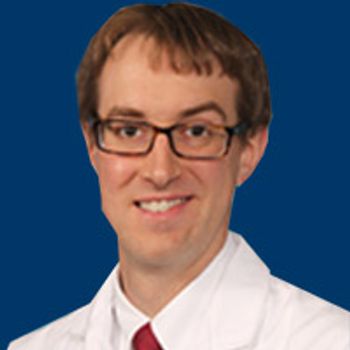
Jeffrey P. Ward, MD, PhD, discusses the questions researchers still face about targeting the immune system and exactly what role T-cell receptor therapy could play in the treatment of patients with non-small cell lung cancer.
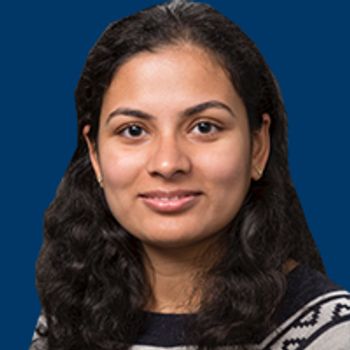
Aarti Bhatia, MD, highlights the newer single agents and combination treatments being investigated for patients with head and neck cancer.
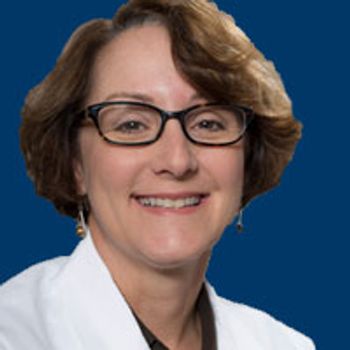
Lynn Acton, MS, CCC (SLP), discusses the significance of swallowing modalities for patients with head and neck cancer.
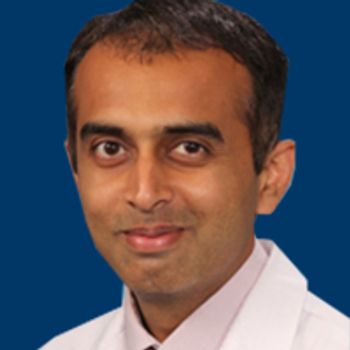
Siddhartha Devarakonda, MD, discusses the importance of testing for molecular markers in NSCLC, rare mutations, and what work lies ahead for the field of lung cancer.
Jonathan Riess, MD, shares his insight on the game-changing efficacy of osimertinib in non-small cell lung cancer and its potential in combination, considering factors for choosing an EGFR TKI, and the burgeoning questions clinicians still have with the EGFR-mutant population.
Bradley J. Monk, MD, shares his insight on the potential of immunotherapy in ovarian cancer, as well as what promise it might hold in other gynecologic malignancies.