New treatment approaches that improve overall survival for patients with late-stage melanoma spotlighted
New treatment approaches that improve overall survival for patients with late-stage melanoma spotlighted
Prostate cancer research lacks surrogate biomarkers for survival that could hasten the study and approval of new medications.
The FDA has approved Sutent (sunitinib) for the treatment of patients with unresectable, locally advanced, or metastatic pancreatic neuroendocrine tumors (pNET)
Cabozantinib (XL184), an investigational oral tyrosine kinase inhibitor, demonstrated antitumor activity in multiple types of advanced solid tumors.

Singer and songwriter Charlie Lustman has become an inspirational voice for the over 12 million cancer survivors living in the United States

Oral oncolytics are frequently used in cancer treatment and they make up approximately 25% of the medications in the oncology pipeline
Honorary Mistress of Ceremonies Cynthia Nixon kicked off the ONS 36th Annual Congress Cure magazine Extraordinary Healer Award with a rousing tribute
Lymphedema is the treatment-induced buildup of extra lymph fluid in tissues that causes discomforting and potentially debilitating swelling of the limbs
At ONS researchers from the Seattle Cancer Care Alliance (SCCA) discussed their multidisciplinary care coordination approach for treating patients with Provenge
Social media programs allow oncology nurses to network, share information, and learn evidence-based practices
The FDA recently approved the immunotherapy ipilimumab (Yervoy) as a second-line treatment for patients with metastatic melanoma
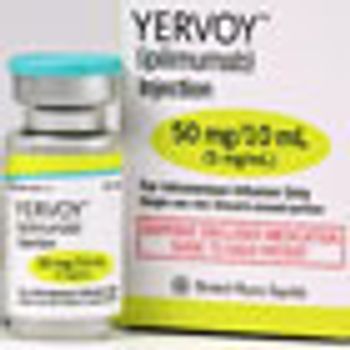
Researchers at SFOA have examined the challenges ipilimumab's unique side-effect profile presents to oncology professionals

The difficulties with choosing a prostate cancer treatment were highlighted once again by a recent study published in the Journal of Urology
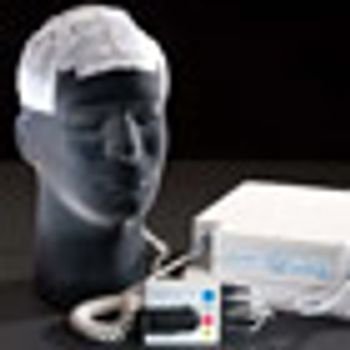
The FDA has approved a novel device that uses electric fields to treat aggressive brain tumors

OncLive Nursing discusses highprofile patients with Barron H. Lerner, MD, PhD, author of When Illness Goes Public: Celebrity Patients and How We Look at Medicine
Screening for prostate cancer does work, despite controversy about its efficacy, according to IPCC Co-chair Leonard G. Gomella
Increased prostate cancer screening has led to overtreatment and has not significantly reduced mortality rates in prostate cancer
The march toward personalized cancer care may have taken a step forward with the discovery of a potential biomarker

Celebrity advocacy takes the form of both individual crusades and collaborative efforts, such as Stand Up To Cancer (SU2C)

An FDA panel voted 7 to 3 (2 abstentions) in support of the NovoTTF-100A System
CYP2D6 phenotype status does not predict tamoxifen efficacy in patients with early-stage breast cancer, according to a retrospective analysis of data from the Breast International Group

The National Cancer Institute (NCI) estimates that sexual dysfunction rates among cancer survivors range anywhere between 40% and 100%
At NCONN 2010, Matthew Zachary, musician, brain cancer survivor, and founder of the I'm Too Young For This! Cancer Foundation (i[2]y) discussed empowering young adults with cancer.
FDA updates from the summer of 2010
The FDA approved Tasigna (nilotinib) as a first-line treatment for patients with newly diagnosed Philadelphia- chromosome positive (Ph ) chronic myeloid leukemia (CML), the first new drug approved for this indication in nearly a decade.
The FDA approved the injectable drug Jevtana (cabazitaxel), a microtubule inhibitor, in combination with prednisone as a second-line therapy for men with advanced castrate-resistant prostate cancer
In the RADIANT-3 (RAD001 In Advanced Neuroendocrine Tumors) phase III study involving patients with pancreatic neuroendocrine tumors (NET)
Array BioPharma Inc released its financial results for the third quarter of fiscal 2010, reporting $18.4 million in total revenue for the period but a net loss of $15.2 million, or $0.30 per share.
A struggle with cancer is often referred to as a battle. Now, a study reveals patients with cancer and caregivers even experience a condition common to soldiers, post-traumatic stress syndrome.