
Anna Chalmers, MD, discusses the PACIFIC trial and how its impact continues to change the treatment paradigm in stage III non-small cell lung cancer.

Assistant Editor, OncLive®
Jessica joined the company in August 2019 and is one of the point contacts for the OncLive On Air™ podcast. She is a Rider University alumna and holds a degree in journalism and biology. Prior to joining MJH Life Sciences, she interned with the Ireland-based social media monitoring agency Olytico and served as a copy editor and writer for The Rider News. Email: jhergert@onclive.com
Anna Chalmers, MD, discusses the PACIFIC trial and how its impact continues to change the treatment paradigm in stage III non-small cell lung cancer.
James N. Gerson, MD, discusses exciting updates in mantle cell lymphoma and chronic lymphocytic leukemia and other potentially practice-changing trials on the horizon.
Sunita Nasta, MD, discusses exciting updates in follicular lymphoma, diffuse large B-cell lymphoma, and T-cell lymphoma and the impact they will have on the upfront and relapsed/refractory paradigms.
R. Steven Paulson, MD, discusses how to adapt to the era of precision medicine, the latest with liquid biopsies, and a unique diagnostic tool with the potential to revolutionize oncology.
Katie Kerrigan, MD, discusses novel agents emerging in both ROS1- and ALK-mutated non–small cell lung cancer and the sequencing challenges for these patients.
Imad Tabbara, MD, discusses the role of minimal residual disease testing in multiple myeloma, acute lymphoblastic leukemia, and acute myeloid leukemia, as well as emerging regimens in all 3 malignancies that are changing standards of care.
Sreeni Chittoor, MD, FACP, discusses the role of liquid biopsies in non–small cell lung cancer and the advantages of using this type of assay compared with tissue-based genotyping across cancer types. 
Leisha A. Emens, MD, PhD, discusses the rationale behind the KATE2 study and the results that may signal clinical significance.
Robert G. Uzzo, MD, MBA, FACS, discusses the evolving yet relevant role of surgery in renal cell carcinoma.
Lewis R. Roberts, MB, ChB, PhD, discusses the past, present, and future of treatment in patients with perihilar and intrahepatic cholangiocarcinoma.  
Edgardo S. Santos, MD, FACP, FCCP, discusses data from the PACIFIC trial and how it has changed the standard of care for stage III non–small cell lung cancer patients whose disease has not progressed following concurrent platinum-based chemoradiation.
Sarah Sammons, MD, discussed the MONALEESA-7 and MONARCH 2 studies and how CDK4/6 inhibitors are changing the advanced hormone receptor–positive, HER2-negative breast cancer space.
Susan Faye Dent, MD, discussed the importance of cardiac health in patients with breast cancer.
Jeremy M. Force, DO, discussed current and emerging immunotherapy options and ongoing challenges in metastatic triple-negative breast cancer.
Luis E. Raez, MD, discusses major trials in squamous NSCLC and what lies ahead for immunotherapy.
Wayne A. Marasco, MD, PhD, discusses the intricacy of engineering CAR T cells and the early data he has observed with CAR T-cell therapy in renal cell carcinoma.
Sylvia Adams, MD, discusses the biology of triple-negative breast cancer, data sparking excitement in the field, and intriguing trials on the horizon.
Leonard G. Gomella, MD, FACS, discusses the role of genetic testing and emerging biomarkers in prostate cancer.
David Bond, MD, addresses the ongoing challenge of second primary neoplasia in chronic lymphocytic leukemia.
Alex A. Adjei, MD, PhD, a professor of oncology and pharmacology at Mayo Clinic, discussed the history of five target genes: NTRK, RET, MET, BRAF, and HER2, as well as the exciting data coming out for the lung cancer subset.
Toni Choueiri, MD, discusses the rationale behind the Kidney Cancer Research Summit and recent advances in the renal cell carcinoma landscape.
Alexander A. Hindenburg, MD, discusses novel agents and ongoing clinical trials supporting their future application in metastatic, hormone receptor–positive, HER2-negative breast cancer.
Douglas K. Marks, MD, discusses key developments in the HER2-positive breast cancer space and shed light on novel approaches under investigation.
Three months of adjuvant oxaliplatin-based therapy in patients with high-risk, stage II colorectal cancer was found to be inferior to 6 months of treatment.
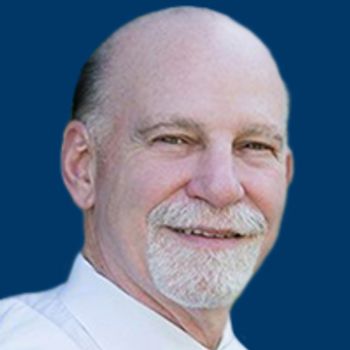
Steven T. Rosen, MD, discusses the rapid evolution in hematologic cancer treatment and highlighted challenges that have recently emerged.
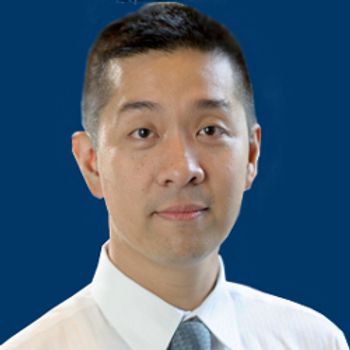
Alexander Drilon, MD, provides insight into his study on the role of larotrectinib in the treatment of patients with TRK fusions and brain metastases or those with primary CNS disease.
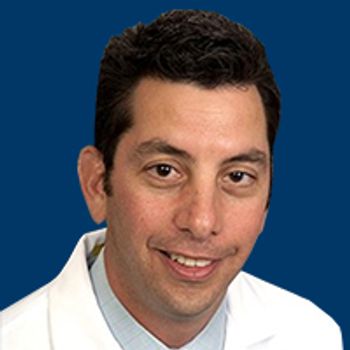
Michael A. Rosenzweig, MD, MS, discusses changes in the frontline setting of multiple myeloma.
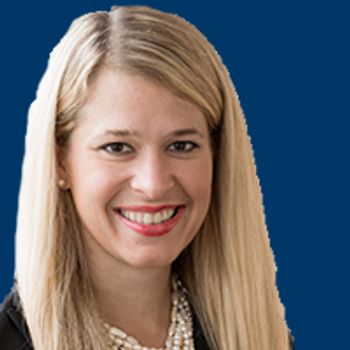
Camille C. Gunderson, MD, discusses the various maintenance options available in advanced ovarian cancer, as well as what factors should be considered for selecting each approach.
Hearn Jay Cho, MD, PhD, provides background on these novel approaches, while highlighting exciting trials to look for in the future.
Laura L. Holman, MD, discusses ongoing efforts in ovarian cancer screening and what may lie ahead for generations to come.