
Jorge E. Cortes, MD, discusses the evolution of multiple myeloma treatment, the role of BCMA-directed therapies, and remaining questions that need to be addressed in this space

Assistant Editor, OncLive®
Jessica joined the company in August 2019 and is one of the point contacts for the OncLive On Air™ podcast. She is a Rider University alumna and holds a degree in journalism and biology. Prior to joining MJH Life Sciences, she interned with the Ireland-based social media monitoring agency Olytico and served as a copy editor and writer for The Rider News. Email: jhergert@onclive.com
Jorge E. Cortes, MD, discusses the evolution of multiple myeloma treatment, the role of BCMA-directed therapies, and remaining questions that need to be addressed in this space
Panayiotis S. Savvides, MD, discusses the results of the KEYNOTE-407 and IMpower131 trials and how the data have impacted the treatment of patients with stage IV squamous non–small cell lung cancer.
Jason Niu, MD, PhD, discusses the evolution in the treatment paradigm for patients with extensive-stage small cell lung cancer.
Richard S. Finn, MD, the burst of available treatment options, the ongoing hunt for actionable biomarkers, and the importance of multidisciplinary care in hepatocellular carcinoma.
Several faculty who were on site at the 2020 Miami Breast Cancer Conference touch upon COVID-19.
Hope S. Rugo, MD, discusses the pending approval of tucatinib in metastatic HER2-positive breast cancer and other potentially practice-changing agents in the pipeline.
Bruce G. Raphael, MD, discusses recent pivotal trials in chronic lymphocytic leukemia and the utility of triplet regimens for older patients.
Multiple immune-infiltrate features in the immune-genomic landscape of osteosarcoma, such as poor tumor infiltration by immune cells, low T-cell activity, a lack of immune-stimulating neoantigens, and immune-suppressing pathways, contribute to the limited clinical activity associated with checkpoint inhibitors in this disease, according to results of a study published in Nature Communications.
Robb S. Friedman, MD, examines the developing role of venetoclax in relapsed/refractory multiple myeloma, based on the BELLINI results, and shares his anecdotal experience with the drug in the community setting.
Hatim Husain, MD, discusses the current state of liquid biopsy in non–small cell lung cancer.
Michael R. Charlton, MD, MBBS, discusses the evolution of hepatocellular carcinoma treatment.
Anjana Pillai, MD, reflects on the first annual HCC-TAG Conference, her journey into treating patients with liver cancer, and remaining challenges in the paradigm
David J. Pinato, MD, PhD, highlights the clinical and biological challenges in identifying biomarkers in hepatocellular carcinoma, and the potential introduction of biomarkers in the future.
Alain C. Mita, MD, discusses the impact of immunotherapy in the frontline and recurrent settings for patients with small cell lung cancer.
Robb S. Friedman, MD, shares insight on the emergence of selinexor in the treatment paradigm for patients with relapsed/refractory multiple myeloma.
Amir Ali Khan, MD, discusses the results of the database analysis and the remaining questions with young adult patients with colorectal cancer and gastric cancer.
Benjamin Heyman, MD, discusses frontline and maintenance therapy options, novel targeted approaches, and the expanding role of minimal residual disease in patients with follicular lymphoma.
Ayad Hamdan, MD, discusses the impact of the 4-year follow-up data from the ECHELON-1 trial in advanced-stage Hodgkin lymphoma.
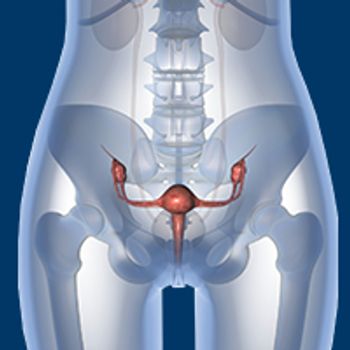
Patients with early-stage cervical cancer who undergo minimally invasive radical hysterectomy have an inferior rate of disease-free survival compared to women who undergo open abdominal radical hysterectomy.
Martin H. Voss, MD, discusses the phase I/II trial evaluating MEDI0680 plus durvalumab in metastatic renal cell carcinoma and what similar research efforts lie ahead.
James J. Harding, MD, discusses the evolving treatment landscape in frontline hepatocellular carcinoma and ongoing trials that may revolutionize the space.
William L. Dahut, MD, discusses the natural history trial, the implications of the PROfound study, and the importance of screening for men at a high risk for developing prostate cancer.
Thomas J. Lynch Jr, MD, discusses his journey in the field of oncology, his transition to Fred Hutchinson Cancer Research Center, and his goals for the institution going forward.
Alexey V. Danilov, MD, PhD, discusses the ELEVATE-TN trial and other potentially practice-changing BTK inhibitor combinations expected to emerge in chronic lymphocytic leukemia.
Jean Wright, MD, discusses the evolution of radiation oncology in early-stage breast cancer and how novel radiation modalities are poised to transform the field.
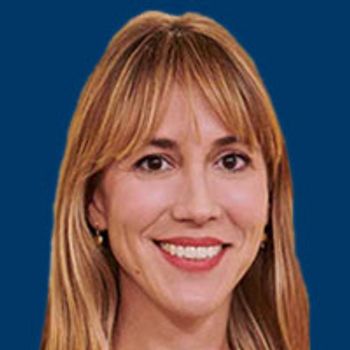
Andrea Cercek, MD, shares insight on treatment selection, the importance of molecular testing, and unanswered questions with tumor sidedness in patients with newly diagnosed metastatic colorectal cancer.
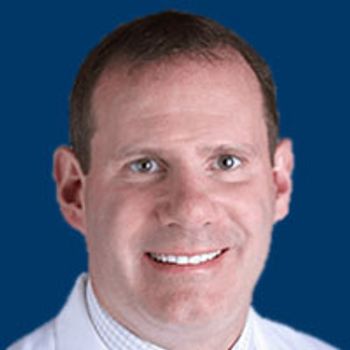
Barry Paul, MD, discusses some of the newer data to emerge regarding relapsed/refractory multiple myeloma.
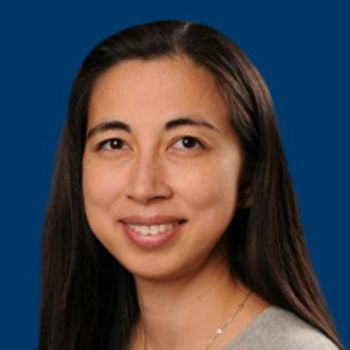
Katherine D. Crew, MD, discusses the results of HER2CLIMB and DESTINY-Breast01, as well as other impactful data in HER2-positive breast cancer that emerged from the 2019 San Antonio Breast Cancer Symposium.
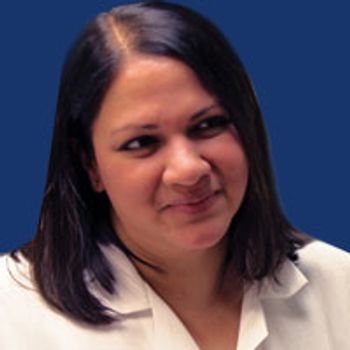
Rita Nanda, MD, discusses ongoing advances with immunotherapy in triple-negative breast cancer, as well as develops in the HER2-negative breast cancer paradigm.
Katherine D. Crew, MD, discusses the updated results of the KATHERINE trial, as well as other data regarding the adjuvant treatment paradigm in early-stage HER2-positive breast cancer.