A majority of adult patients with β-thalassemia who require regular red blood cell transfusions experienced clinically meaningful and durable transfusion burden reduction associated with luspatercept (Reblozyl).
A majority of adult patients with β-thalassemia who require regular red blood cell transfusions experienced clinically meaningful and durable transfusion burden reduction associated with luspatercept (Reblozyl).

Patients with relapsed/refractory peripheral T-cell lymphoma who received a higher initial dose of duvelisib at 75 mg BID had a higher overall response rate of 62% than those who received 25 mg BID.
The all-oral triplet regimen of 60 mg of weekly selinexor plus lenalidomide and dexamethasone appears to be highly active and well-tolerated in patients with relapsed, refractory multiple myeloma, particularly in patients who did not receive prior lenalidomide, according to results of the multi-arm STOMP study that were presented during the 17th International Myeloma Workshop.
AMG 701, a half-life–extended anti-BCMA bispecific T-cell engager, showed promising in vitro antimyeloma activity and characteristics suitable for once-weekly dosing in patients with multiple myeloma, according to findings presented at the 17th International Myeloma Workshop.
Melflufen and dexamethasone demonstrated encouraging activity in patients with relapsed/refractory multiple myeloma with and without extramedullary disease, with response rates higher than those observed in prior studies of other agents.

The addition of daratumumab to bortezomib, lenalidomide, and dexamethasone for transplant-eligible patients with newly diagnosed multiple myeloma improved the depth of response without affecting stem cell mobilization or hematopoietic reconstitution.

The novel agent iberdomide (formerly CC-220) was safe and showed antitumor activity when combined with dexamethasone in patients with heavily pretreated, relapsed/refractory multiple myeloma, according to findings from a phase Ib/IIa study presented at the 17th International Myeloma Workshop.
A quadruplet regimen combining the anti-CD38 monoclonal antibody isatuximab with carfilzomib, lenalidomide, and dexamethasone was safe and had a 100% response rate among 10 patients enrolled in the safety run-in cohort of the phase II, multicenter GMMG-CONCEPT trial.
A panel of experts discuss the latest developments in the treatment of patients with HER2-positive breast cancer.
The antibody-drug conjugate glembatumumab vedotin demonstrated an 11% overall response rate in patients with refractory advanced melanoma who had received prior treatment with a checkpoint inhibitor and duration of response.

Lurbinectedin (PM01183) induced a high rate of response as monotherapy and with doxorubicin or paclitaxel in patients with advanced endometrial cancer.
Data from phase I pooled expansion cohorts showed that mirvetuximab soravtansine (IMGN853) induced a solid response rate in patients with platinum-resistant ovarian cancer who had received 1 to 3 prior lines of therapy.
Results of a phase I trial demonstrate that the combination of niraparib and bevacizumab (Avastin) can be safely administered to patients with platinum-sensitive relapsed ovarian cancer.

Results of an early phase trial show that, for heavily pretreated patients with platinum-resistant ovarian cancer, a first-in-class cancer "stemness" inhibitor that targets the STAT3 pathway was found to demonstrate antitumor activity—and was also found to be well tolerated when combined with paclitaxel.

Avelumab, a fully human anti–PD-L1 IgG1 antibody, showed activity in patients with heavily pretreated recurrent or refractory ovarian cancer with an acceptable toxicity profile.

The combination of the oncolytic virus talimogene laherparepvec (T-VEC) and pembrolizumab (Keytruda) demonstrated evidence of clinical benefit, as well as an acceptable safety profile, in patients with advanced melanoma.
Results of an analysis presented at the 2016 ASCO Annual Meeting demonstrate the difficulty in determining the prevalence of germline cancer susceptibility gene mutations in patients with colorectal cancer (CRC) who do not harbor Lynch syndrome.
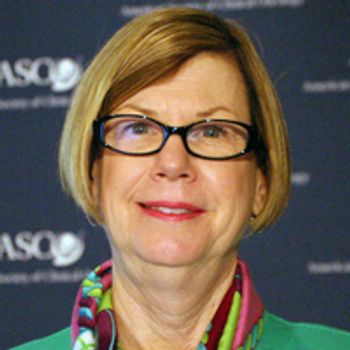
This "learning health system" prototype was first unveiled on March 27 at an ASCO-hosted panel discussion on big data in cancer care at the National Press Club in Washington, DC.

An interesting conversation with this year's AACR president, Frank McCormick, PhD, on the next big area of interest in cancer research, and what the future holds for cancer research progress.

In-house dispensing of oral agents in the community oncology setting may provide a safer and more reliable and convenient way for patients to receive their medications.