Eczema-linked protein helps cancer survive, suggesting potential for skin drug-based treatment.
Eczema-linked protein helps cancer survive, suggesting potential for skin drug-based treatment.
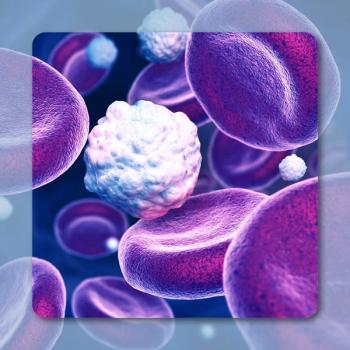
Research from the Icahn School of Medicine at Mount Sinai provides new insights into acute myeloid leukemia (AML) and its resistance to a common treatment.
Nina Bhardwaj, MD, PhD, of Mount Sinai has been elected to the National Academy of Medicine for her pioneering work in cancer immunotherapy.
Press Release
Genetic markers for venetoclax could help personalize treatment and improve outcomes
Press Release
In a trial led by the Icahn School of Medicine at Mount Sinai, rusfertide demonstrated the ability to control the overproduction of RBCs in polycythemia vera.
A study sheds light on how immune genetics influence lung cancer risk, potentially paving the way for enhanced prevention strategies and screening.
Press Release
Diagnosing early-stage lung cancer with low-dose computed tomography screening drastically improves the survival rate of cancer patients over a 20-year period, according to a large-scale international study being presented by Mount Sinai researchers at the annual meeting of the Radiological Society of North America.
Press Release
Groundbreaking study opens new avenues for future treatment and diagnosis.
Press Release
The Department of Immunology and Immunotherapy and the Icahn Genomics Institute at the Icahn School of Medicine at Mount Sinai have been awarded a $5 million grant from the National Cancer Institute of the National Institutes of Health to establish a state-of-the-art center dedicated to the discovery and development of cutting-edge targets for cancer therapy.
Using a novel proteogenomic strategy and a variety of machine learning tools, investigators from the Icahn School of Medicine at Mount Sinai and colleagues have identified a 64-protein signature that may predict a subset of ovarian cancer patients who are unlikely to respond to chemotherapy.
Investigators at the Icahn School of Medicine at Mount Sinai have designed an innovative RNA-based strategy to activate dendritic cells—which play a key role in immune response—that eradicated tumors and prevented their recurrence in mouse models of melanoma.

Press Release
The Mount Sinai Medical Legal Partnership, which provides legal aid to Mount Sinai Health System patients in need, has launched a clinic to help breast cancer patients navigate legal issues that arise due to their diagnoses.
Press Releases
A first-of-its-kind study unveils how diabetes drives multiple myeloma growth and differences in survival outcomes for Black versus white patients with both conditions
Press Releases
A clinical trial co-led by Mount Sinai researchers is the first to show that using chemotherapy with immunotherapy resulted in improved survival in patients with an advanced type of bladder cancer.
Press Releases
Andrew L. Ji, MD, is working to better understand cutaneous squamous cell carcinoma —a skin cancer that is the second most common cancer in the United States and one that causes substantial morbidity, with a considerable risk for metastatic spread and death.

Press Release
The National Cancer Institute has awarded the Icahn School of Medicine at Mount Sinai a $3.4 million grant to create a model that identifies the best prostate cancer treatment for people with HIV.
Press Release
Mount Sinai investigators have developed a new approach for treating invasive bladder cancer without the need for surgical removal of the bladder, according to a recently published study.
Press Release
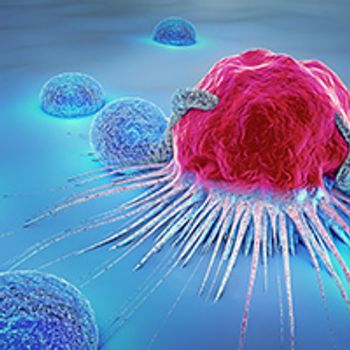
Mount Sinai study is first to document association that had been hypothesized.
Press Release
The Mount Sinai Health System has received a $7 million grant from the Multiple Myeloma Research Foundation for a three-year project that aims to fast-track novel translational concepts to improve outcomes for people with high risk myeloma, the second most common blood cancer in the United States.
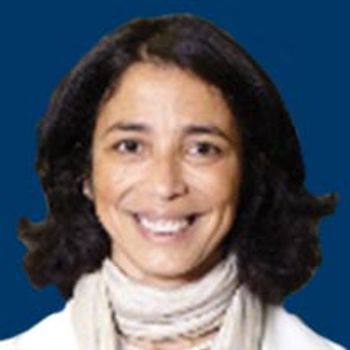
Miriam Merad, MD, PhD, an esteemed immunologist at the Icahn School of Medicine at Mount Sinai, has been elected to the National Academy of Medicine in recognition of her pioneering contributions to the fields of immunology and cell biology.
The Mount Sinai Health System's esophagectomy program has received a three-star overall composite score from the Society of Thoracic Surgeons.
Press Release
T-cell redirection therapy has shown to be effective in patients unresponsive to initial bispecific antibody treatment.
November 18th 2023