Nicholas Short, MD, discusses TKIs like ponatinib and combining them with other treatments for ALL.
Nicholas Short, MD, discusses TKIs like ponatinib and combining them with other treatments for ALL.
Nicholas James Short, MD, discusses the roles of molecular and genetic testing in Philadelphia chromosome–positive acute lymphoblastic leukemia.
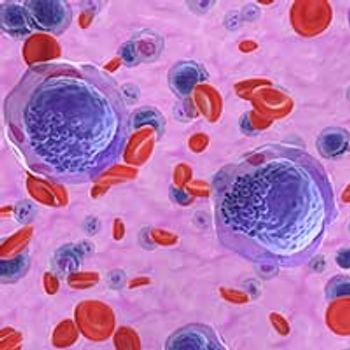
The implementation of treatment with later-generation BCR-ABL1 TKIs like ponatinib and chemotherapy-free combination regimens with blinatumomab plus a TKI have greatly pushed the treatment armamentarium of Philadelphia chromosome–positive acute lymphoblastic leukemia forward.

Closing out their discussion on tumor lysis syndrome management, James Short, MD, and John Reagan, MD, highlight unmet needs and future evolutions in the treatment landscape.
A brief review of the differences that might be observed between tumor lysis syndrome management in an academic versus community setting.
Experts James Short, MD, and John Reagan, MD, share comprehensive insight on the clinical implications of treating TLS in patients receiving therapy for cancer.
James Short, MD, and John Reagan, MD, highlight guideline-indicated treatment options for patients with or at risk of tumor lysis syndrome.
Expert perspectives on prophylactic measures to prevent tumor lysis syndrome in patients receiving therapy for cancer.
Shared insight on the multidisciplinary management of tumor lysis syndrome and how treatment planning may be adjusted after it is identified.
Comprehensive insight on the signs and symptoms that help lead to the identification of tumor lysis syndrome in patients receiving therapy for cancer.
Key opinion leaders James Short, MD, and John Reagan, MD, share an overview on the incidence and clinical risk factors of tumor lysis syndrome.
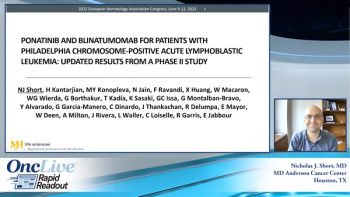
Dr. Nicholas Short reviews updates to data on combination ponatinib and blinatumomab in patients with Philadelphia chromosome-positive acute lymphoblastic leukemia (Ph+ ALL) that were recently presented at the 2022 European Hematology Association (EHA) Congress.

Nicholas J. Short, MD, discusses updated results from a single-arm phase 2 study investigating ponatinib plus blinatumomab in patients with Philadelphia chromosome–positive acute lymphoblastic leukemia.
Nicholas J. Short, MD, discusses the efficacy of the combination of ponatinib and blinatumomab in Philadelphia chromosome–positive acute lymphoblastic leukemia.

January 18th 2023

January 18th 2023
January 24th 2023