Richard F. Riedel, MD, discusses the diagnosis of PEComa and referral/treatment planning following diagnosis.
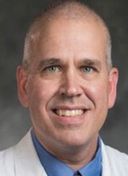
Richard F. Riedel, MD, is a professor of medicine in the Department of Medicine at the Duke University School of Medicine, as well as a member of the Duke Cancer Institute
Richard F. Riedel, MD, discusses the diagnosis of PEComa and referral/treatment planning following diagnosis.
Learn how clinicians judge tumor treatment success beyond scan shrinkage, using symptoms, stable disease, and surveillance insights from desmoid tumor trials.
Learn how clinicians address fertility risks from newer cancer therapies, discuss ovarian toxicity, pregnancy avoidance, and when to refer for preservation.
Learn how clinicians proactively manage toxicities from targeted systemic cancer therapies, using early education, monitoring, and dose adjustments to maintain adherence.
Learn how clinics proactively manage oral cancer therapy toxicities—education, early follow-ups, and dose tweaks to control hand-foot, GI
Learn how tumor boards unite sarcoma experts—and how remote clinics join Zoom reviews, online panels, and fast second opinions.
Desmoid tumor care shifts from surgery to systemic options like gamma secretase inhibitors; experts weigh chemo, TKIs, and selective cryoablation or radiation.
Explore updated desmoid tumor care: NCCN-backed targeted drugs like nirentasertib, plus when cryoablation or radiation fits.
Explore how desmoid tumor genetics guide diagnosis and FAP screening, why APC testing matters, and when molecular profiling shapes monitoring decisions.
Experts unpack desmoid tumor diagnosis, watchful waiting, and when systemic therapy beats surgery, highlighting NCCN-guided multidisciplinary care.
In this opening segment, the panel discusses how patients with desmoid tumor typically present and how referral pathways have evolved in recent years.
Richard F. Riedel, MD, discusses the importance of multidisciplinary PEComa management and the role of sarcoma specialists in this disease setting.
Panelists discuss how communication between community oncologists and academic centers is essential for advancing gastrointestinal stromal tumor (GIST) treatment through clinical trial participation, molecular analysis, and the promising future of personalized therapy based on individual tumor mutation profiles.
Panelists discuss how newer clinical trials such as PEAK and INSIGHT are investigating combination therapies and mutation-specific treatment approaches to overcome secondary resistance mutations, while also exploring pan-KIT inhibitors and senescence-targeting strategies to improve outcomes.
Panelists discuss how most gastrointestinal stromal tumor (GIST) patients can tolerate approved agents with proper adverse effect management, the efficacy data from the INVICTUS and INTRIGUE trials that led to ripretinib's approval, and the unique adverse effects such as alopecia that distinguish ripretinib from other therapies.
Panelists discuss how patient adherence to kinase inhibitors is crucial for disease control, requiring proactive adverse effect management, careful radiological monitoring, and strategies such as dose escalation to maximize treatment duration and effectiveness.
Panelists discuss how standard-of-care treatment follows NCCN guidelines with sequential kinase inhibitor therapy (imatinib, sunitinib, regorafenib, ripretinib), emphasizing that maintaining some form of kinase inhibition is always preferable to no treatment even after progression.
Panelists discuss how mutational testing is critical for gastrointestinal stromal tumor (GIST) management, with different genetic alterations determining treatment sensitivity and the importance of understanding both primary drivers and secondary resistance mutations that develop over time.
Panelists discuss how gastrointestinal stromal tumors (GISTs) are the most common sarcoma with specific genetic mutations, requiring comprehensive mutational analysis to guide treatment decisions and understand both primary and secondary resistance patterns.
Richard F. Riedel, MD, discusses the challenges of diagnosing and treating patients with desmoid tumors.
Richard F. Riedel, MD, associate professor of medicine, Duke Cancer Institute, discusses targeted therapy options for patients with uterine sarcomas.
Richard F. Riedel, MD, associate professor of medicine, Duke Cancer Institute, discusses the emerging role of immunotherapy in uterine sarcoma.
Richard F. Riedel, MD, associate professor of medicine, Duke Cancer Institute, discusses the rarity and characteristics of uterine sarcomas.
Richard F. Riedel, MD, associate professor of medicine, Duke Cancer Institute, discusses the treatment landscape of uterine sarcomas.
April 9th 2026
August 29th 2018
September 5th 2018
September 18th 2018
October 23rd 2018