
A triplet regimen comprised of COM701, BMS-986207, and nivolumab was found to have encouraging antitumor activity and favorable tolerability in patients with heavily pretreated, platinum-resistant ovarian cancer.

Ryan Scott joined MJH Life Sciences in 2021. In addition to writing and editing timely news and article coverage, she has managed OncLive's social media accounts; check us out @onclive across platforms such as LinkedIn, Facebook, X, and Instagram! She attends conferences live and virtually to conduct video interviews and produce written coverage. Email: [email protected]
A triplet regimen comprised of COM701, BMS-986207, and nivolumab was found to have encouraging antitumor activity and favorable tolerability in patients with heavily pretreated, platinum-resistant ovarian cancer.
The utilization of the anti-CD40 agonist, CDX-1140, in combination with pembrolizumab was generally well tolerated and demonstrated preliminary efficacy in patients with anti–PD-1/PD-L1 resistant, locally advanced or metastatic solid tumors.
Ajai Chari, MD, shares some background on talquetamab, reported safety and efficacy findings from MonumenTAL-1, and highlighted other ways in which the agent is being explored in multiple myeloma.
Alexander Spira, MD, PhD, FACP, highlights the top advancements across non–small cell lung cancer in 2022, emphasized the need for increased genetic testing to inform treatment decisions, and previewed other agents under development.

Vamsidhar Velcheti, MD, highlights the advancement of CTLA-4–based combinations in non–small cell lung cancer treatment, the emergence of antibody-drug conjugates in non–small cell lung cancer, and the impact of the POSEIDON trial on the treatment landscape.
R. Lor Randall, MD, FACS, discusses the outcomes of combining surgery and pexidartinib in patients with tenosynovial giant cell tumors, what investigators still need to learn about sequencing the CSF1R inhibitor around surgery, and what the combination approach could mean for patients with TGCT.

Neoadjuvant and adjuvant pertuzumab plus trastuzumab with docetaxel continued to show improvements in event-free survival, disease-free survival and overall survival vs trastuzumab/docetaxel and placebo in Asian patients with HER2-positive early or locally advanced breast cancer.
Anna Pavlick, DO, MBA, discusses key updates from clinical trials that continue to shape the treatment of patients with melanoma, the role of immunotherapy in the frontline setting, and the importance of toxicity management and patient support.

Ritu Salani, MD, MBA, discusses the continued evolution of molecular profiling in endometrial cancer, advances in immunotherapy for endometrial and cervical cancer, and ongoing research in gynecologic cancers.
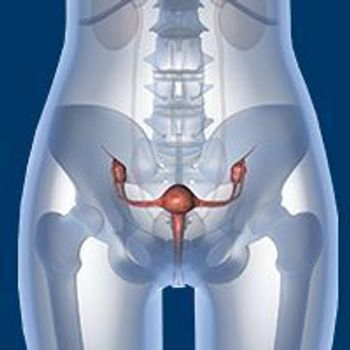
Peter Dottino, MD, FACOG, discusses the need for more accurate early screening tests for ovarian cancer, why testing for early-stage endometrial cancer is also important, the process used to develop the screening test, and how it could be implemented into practice if it is approved by the FDA.
Michael R. Harrison, MD, discusses the key long-term data of select doublet combinations in renal cell carcinoma, the early investigation of triplet therapy in the frontline setting, and more.
Guillermo Garcia-Manero, MD, discusses the exploration of these doublet therapies and what they could mean for the high-risk myelodysplastic syndromes treatment landscape, the difficulties in making strides for patients with relapsed/refractory disease, and the top highlights in myelodysplastic syndromes from the 2022 ASH Annual Meeting.
Richard D. Carvajal, MD, discusses the implications of the FDA approval of tebentafusp in uveal melanoma, the possibility of exploring tebentafusp in other HLA subtypes, and other areas of intriguing research in uveal melanoma.
Virginia G. Kaklamani, MD, discusses the ongoing investigation of novel oral SERDs in patients with ER-positive/HER2-negative breast cancer, the remaining unmet needs for this patient population, and ongoing trials aiming to further understand the optimal use of oral SERDs.

Nour Abuhadra, MD, discusses what the data from DESTINY-Breast04 means for trastuzumab deruxtecan in the triple-negative breast cancer space and future areas of research for antibody-drug conjugates in this disease.
Tisagenlecleucel elicited durable efficacy and a favorable long-term safety profile in the real-world setting of patients with relapsed/refractory aggressive B-cell non-Hodgkin lymphoma.
Olverembatinib elicited encouraging responses and tolerability in US patients with ponatinib-resistant chronic myeloid leukemia, Philadelphia chromosome-positive acute lymphoblastic leukemia, and in patients with CML whose tumors have a T315I mutation.
Non-Hispanic Black patients with hormone receptor–positive/HER2-negative breast cancer were more likely to have worse outcomes vs non-Hispanic White, Asian, and Hispanic patients, according to an analysis of the phase 3 RxPONDER trial.

Zimberelimab monotherapy demonstrated durable responses and was well tolerated in patients with PD-L1–positive, recurrent or metastatic cervical cancer who had progressed after first- or subsequent-line, platinum-containing chemotherapy, according to data from a phase 2 trial.
Daniel J. George, MD, discusses the impact that ADCs have had on the evolving treatment landscape of bladder cancer, long-term outcomes with immunotherapy in metastatic renal cell carcinoma, and highlighted current and ongoing research at the Duke Cancer Institute.
Balazs Halmos, MD, discusses the role of immunotherapy in the frontline setting of NSCLC and the emerging pipeline of antibody-drug conjugates that could affect the treatment paradigm in lung cancer.
Daniel J. George, MD, discusses the clinical implications use of key trials in metastatic castration-resistant prostate cancer.

Shambavi Richard, MD, discussed key studies that continue to shape the SOC in both the transplant-eligible and -ineligible populations, the role of transplant in the space, and unmet needs that remain for older and frail patients.
Luis A. Diaz Jr, MD, is world renowned as a scientist and leader, but his greatest contribution to the world of cancer care might be as a collaborator and mentor.
Kathleen N. Moore, MD, MS, discusses the clinical implications of the potential FDA approval of mirvetuximab soravtansine, observations from other antibody-drug conjugates under investigation in clinical trials, and the rationale of examining PARP inhibitor–based combinations in ovarian cancer.
Tivozanib continued to display a progression-free survival benefit and rates vs sorafenib in patients with relapsed/refractory renal cell carcinoma who received 2 or 3 prior systemic regimens.
Bradley McGregor, MD, discusses the factors that affect frontline treatment decisions for patients with advanced RCC, the importance of longer-term follow-up of phase 3 trials in kidney cancer, and the benefits of dual immunotherapy and immunotherapy/TKI treatment combinations.
Bobbie J. Rimel, MD, discusses how PARP inhibitors are deployed across different treatment settings of ovarian cancer, the recent market withdrawal of PARP inhibitors in later-line indications, and ongoing research efforts at Cedars-Sinai Medical Center for patients with ovarian cancer.
Mikkael A. Sekeres, MD, MS, discussed the changes to the classifications of MDS, the evolution of targeted therapies for patients with acute myeloid leukemia, and approaches for patients with bone marrow failure syndromes.
Fam-trastuzumab deruxtecan-nxki induced meaningful antitumor activity in patients with HER2-positive, HER2-low, or HER2-negative metastatic breast cancer who presented with brain metastases at baseline.