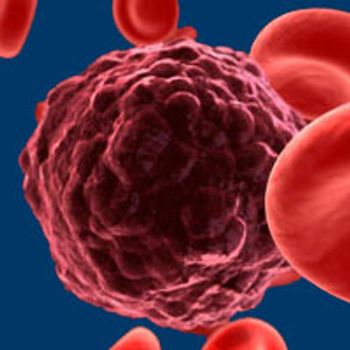
Treatment with concurrent ibrutinib improves expansion of chimeric antigen receptor T-cells and could subsequently improve response in patients with chronic lymphocytic leukemia, according to a study presented during the 2017 ASH Annual Meeting.
Treatment with concurrent ibrutinib improves expansion of chimeric antigen receptor T-cells and could subsequently improve response in patients with chronic lymphocytic leukemia, according to a study presented during the 2017 ASH Annual Meeting.

A study presented at the 2016 ASH Annual Meeting identified potential biomarkers of response to anti-CD19 CAR T-cell treatment in patients diagnosed with chronic lymphocytic leukemia.
At 29 months’ follow-up, frontline ibrutinib reduced the risk of of progression or death by 88% versus chlorambucil in patients with chronic lymphocytic leukemia or small lymphocytic lymphoma, according to the latest findings from the phase III RESONATE-2 trial.
Palbociclib can help patients with mantle cell lymphoma overcome resistance to ibrutinib, according to phase I results presented at the 2016 ASH Annual Meeting.

While biosimilars have the potential to create competition and result in healthcare savings, the path to the marketplace has proven complex.

The 2016 NCCN Annual Conference included a push to find more effective ways to encourage and deliver palliative care services across a variety of settings in oncology.
Matthew Banegas, PhD, MPH, discusses a recent study that found that a considerable number of working-age adults who survive cancer and its toxic treatments, end up with substantial medical debts or declare bankruptcy.
Bioinformatics research has developed rapid, increasingly specific, and cost-effective tools to analyze and interpret health information.

Bruce J. Gould, MD, shares his experience as a private oncology practitioner facing competition from large medical centers with respect to 340B drug pricing.

Gilles A. Salles, MD, PhD, discussed treatment regimens being developed for follicular lymphoma.

Anju Nohria, MD, explains how the Cardio-Oncology Program originated and some of the challenges clinicians face in identifying high-risk patients and monitoring cardiovascular risks.

While diagnostic tests play a critical role in physician decision making-particularly in oncology-questions remain regarding the clinical utility of some of these tests, as well as the validity of laboratory-developed tests.

Stem cell therapy has gained increasing traction in various therapeutic areas, from cancer to diabetes to ocular regeneration.

Oncology practitioners now have several resources to consult for advice on genetic testing for their patients following the US Preventive Services Task Force (USPSTF) December 2013 update of its 2005 BRCA recommendations.
December 27th 2016
February 3rd 2017
February 10th 2017

July 27th 2015