

Press Release
Mount Sinai researchers have discovered a previously unknown mechanism in which not-yet-malignant cells from early breast cancer tumors travel to other organs and, eventually, “turn on” and become metastatic breast cancer.
Press Release
Mount Sinai researchers have discovered a previously unknown mechanism in which not-yet-malignant cells from early breast cancer tumors travel to other organs and, eventually, “turn on” and become metastatic breast cancer.
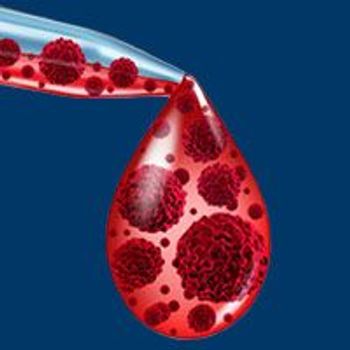
Press Release
Study findings could be developed into less-invasive method.

Press Release
The Canopy Cancer Collective, a national nonprofit organization that strives to fuel better treatments and outcomes for pancreatic cancer patients, has awarded The Tisch Cancer Institute at Mount Sinai a $500,000 grant to support continued innovation in its multidisciplinary treatment of pancreatic cancer.

Press Release
Mount Sinai researcher Natasha Kyprianou, MBBS, PhD, a leading expert on prostate, bladder, and kidney cancer, has been awarded the Richard D. Williams, MD, Prostate Cancer Research Excellence Award by the Urology Care Foundation, the world’s leading nonprofit urological health foundation and official foundation of the American Urological Association.
Press Release
Mutation of a gene called ARID2 plays a role in increasing the chance that melanoma, a deadly skin cancer, will turn dangerously metastatic.
Press Release
Mount Sinai researchers have developed a novel method to identify aggressive early-stage lung cancers and target drugs known as aurora kinase inhibitors to tumors that are especially likely to respond to them.
Press Release
Most immunocompromised people with multiple myeloma benefited from a third dose of COVID-19 vaccines. However, some people with multiple myeloma still remained vulnerable and may need a fourth dose or antibody treatments as restrictions lift and new variants emerge

Press Release
Mount Sinai researchers conducting clinical trials of a drug targeting a cancer gene found that it increased metastatic cancer patients’ survival and was able to work within the brain.

Press Release
Researchers at the Icahn School of Medicine at Mount Sinai describe a troubling increase in early-onset colorectal cancer and precancerous polyps, based on a large, nationally representative study of patients under age 50 who underwent colonoscopy.

Press Release
Results from first-of-its-kind Mount Sinai study show that immunotherapy before liver cancer surgery can kill tumor, and likely residual cancer cells.

Next-generation spatial genomics technology paves the way for accelerating the discovery of new cancer drug targets

The Tisch Cancer Institute at Mount Sinai and the Samuel Waxman Cancer Research Foundation are launching a unique research program that will fund collaborations between TCI physician-scientists and colleagues from other established cancer research institutions to address the rising rates of cancer due to aging around the world.
