






































































The FDA has granted an orphan drug designation to silmitasertib for use as a potential therapeutic option in patients with biliary tract cancer.
The FDA has granted an orphan drug designation to silmitasertib for use as a potential therapeutic option in patients with biliary tract cancer.

The Association of Community Cancer Centers announced that Matt Devino, MPH has joined the organization as Director, Cancer Care Delivery and Health Policy.
Although pembrolizumab monotherapy showed noninferiority to chemotherapy for overall survival in patients with advanced gastric or gastroesophageal junction adenocarcinoma and a PD-L1 combined positive score of 1 or higher, and a clinically meaningful benefit over chemotherapy in those with a CPS of 10 or higher, pembrolizumab plus chemotherapy failed to show superiority over chemotherapy alone in either subset.

The presence of Arthrobacter and fatty acid metabolism pathways in gut microbiomes may be linked to an increased risk of skin-related adverse events in patients with advanced gastric cancer who are receiving single-agent nivolumab.
Florida Cancer Specialists Nurse Receives Inaugural MBC Heroes™ Award from CURE Media Group.
Neoadjuvant nivolumab plus ipilimumab followed by adjuvant nivolumab elicited a pathologic complete response rate of 59% in patients with resectable microsatellite instable or mismatch repair deficient oeso-gastric junction adenocarcinoma.

Fam-trastuzumab deruxtecan-nxki demonstrated a 40% reduction in the risk of death compared with standard chemotherapy in patients with HER2-positive gastric cancer or gastroesophageal junction adenocarcinoma.
The FDA’s Office of Orphan Products Development has granted an orphan drug designation to the multitumor-associated antigen-specific T-cell therapy, MT-601, for the treatment of patients with pancreatic cancer.
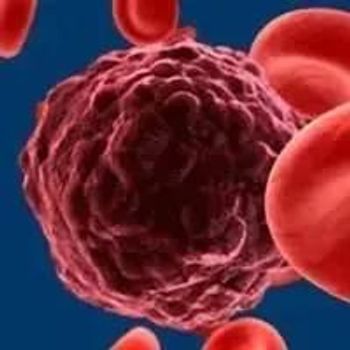
The Japanese Ministry of Health, Labour, and Welfare has approved idecabtagene vicleucel for the treatment of adult patients with relapsed or refractory multiple myeloma, who have previously received at least 3 therapies, including an immunomodulatory agent, a proteasome inhibitor, and an anti-CD38 antibody, and have progressed on their last therapy or relapsed following their last therapy.
Maurie Markman, MD, discusses the debate between surrogate end points of overall survival and progression-free survival in clinical trials within oncology.

The addition of the PD-L1 inhibitor sugemalimab to chemotherapy significantly improved overall survival compared with chemotherapy alone in the frontline treatment of patients with stage IV non–small cell lung cancer.
The FDA has granted a fast track designation to gedatolisib for use as a potential therapeutic option in patients with hormone receptor–positive, HER2-negative metastatic breast cancer who experienced disease progression on CDK4/6 therapy.
Venetoclax proved to be safe and highly active when used in patients with relapsed or refractory Waldenström macroglobulinemia, including those who previously received BTK inhibitors and those harboring CXCR4 mutations.
The FDA has accepted for review a supplemental biologics license application for cemiplimab-rwlc in combination with chemotherapy in the frontline treatment of patients with advanced non–small cell lung cancer.
Edith P. Mitchell, MD, MACP, FCPP, FRCS, shares the inspiration behind the ECOG-ACRIN Health Equity Committee, efforts made to address health disparities, how the pandemic has impacted screening and care in the cancer field, and what needs to be done to get back on track.
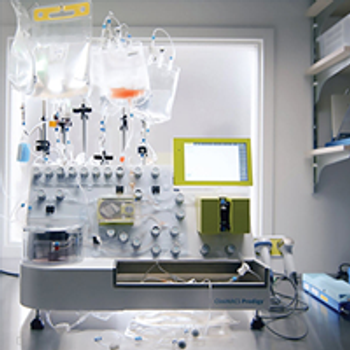
Clinicians at the AHN Cancer Institute are taking a giant leap forward in CAR T-cell therapy.
Advances in the treatment of solid tumors and hematologic malignancies have resulted in the development of thera-peutic regimens that can be administered at various points in a patient’s care.
Investigators have taken strides to genetically engineer novel oncolytic immunotherapies that synergize with existing immunotherapies to maximize antitumor response in anti–PD-1 refractory tumors.

The combination of durvalumab and tremelimumab demonstrated a significant improvement in overall survival vs sorafenib as frontline therapy in patients with unresectable hepatocellular carcinoma, according to findings from the phase 3 HIMALAYA trial.

Treatment with the PD-L1 inhibitor durvalumab in combination with gemcitabine and cisplatin resulted in significantly improved overall survival vs placebo plus chemotherapy in patients with advanced biliary tract cancer.

Nivolumab did not significantly improve overall survival compared with chemotherapy in Japanese patients with platinum-resistant ovarian cancer.
Hope S. Rugo, MD, FASCO, Rita Nanda, MD, William J. Gradishar, MD, and Tiffany A. Traina, MD discuss the selective immunomodulating microtubule-binding agent plinabulin, plus several other novel chemoprotective therapies under exploration, including trilaciclib.

Trevor Batey was enjoying the first years of marriage and his work as a truck driver when cancer put the brakes on his life. He was in his early 20s when he saw blood in his stool, had a colonoscopy, and was diagnosed with colorectal cancer.
Gilead Sciences, Inc. has decided to voluntarily withdraw the indications of idelalisib in patients with relapsed follicular B-cell non-Hodgkin lymphoma and relapsed small lymphocytic lymphoma who had received at least 2 prior systemic therapies.
The FDA has granted a fast track designation to CYNK-101 in combination with standard frontline chemotherapy, trastuzumab, and pembrolizumab for patients with advanced HER2-positive gastric or gastroesophageal junction adenocarcinoma.