






































































Joshua M. Bauml, MD, discusses the use of osimertinib in EGFR-mutant NSCLC, the utility of the agent as adjuvant therapy, and emerging targeted agents for patients with EGFR exon 20 insertions.
Joshua M. Bauml, MD, discusses the use of osimertinib in EGFR-mutant NSCLC, the utility of the agent as adjuvant therapy, and emerging targeted agents for patients with EGFR exon 20 insertions.

Opinion leaders provide a glimpse into the future of what approaches adopted during COVID-19 may persist in oncology after the pandemic ends.

The use of 18F-fluciclovine-PET/CT in guiding salvage treatment with radiotherapy after prostatectomy reduced the likelihood of biochemical recurrence or suboptimal response to treatment in patients with prostate cancer without evidence of extrapelvic disease with conventional imaging.
Novel combinations are paramount for patients with relapsed/refractory multiple myeloma who are in second relapse or beyond; some isatuximab-irfc–containing regimens have the potential to move to the frontline setting and combining melphalan flufenamide with proteasome inhibitors and anti-CD38 monoclonal antibodies is an active area of interest.

Amitkumar Mehta, MD, the safety profile of liso-cel and how it is advancing the relapsed/refractory large B-cell lymphoma treatment paradigm.

Jun Gong, MD, discusses the impact of the IMbrave150 trial on the advanced HCC treatment paradigm and challenges faced with sequencing.

One in 6 patients with colorectal cancer harbor genetic changes that substantially increase their risk for cancer, especially in those who are younger at the time of diagnosis.
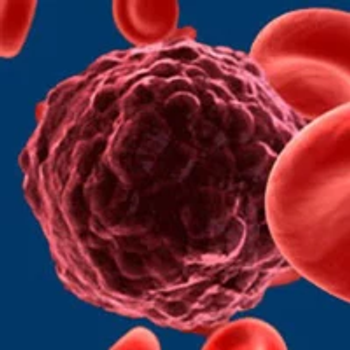
A second treatment with CD19-directed CAR T-cell therapy plus ibrutinib (Imbruvica) following failed prior CD19-directed CAR T-cell therapy and salvage treatment with ibrutinib led to greater efficiency and anti-CD19 CAR T-cell amplification, but also higher grades of cytokine release syndrome and more serious hematologic toxicity in patients with refractory B-cell non-Hodgkin lymphoma.
The PD-1 inhibitor cemiplimab resulted in a 31% reduction in the risk of death compared with chemotherapy in patients with recurrent or metastatic cervical cancer who have progressed on chemotherapy.
Nikhil C. Munshi, MD, discusses how idecabtagene vicleucel has potentially marked the beginning of a new chapter for cellular therapy in multiple myeloma.

Three months of adjuvant capecitabine plus oxaliplatin represents a potential option for select patients with high-risk stage II colorectal cancer due to its convenience, reduced toxicity, and cost, although noninferiority to the 6-month standard duration was not demonstrated.
Neoadjuvant pembrolizumab in combination with chemotherapy followed by adjuvant pembrolizumab monotherapy resulted in a significant improvement in event-free survival and pathologic complete response vs neoadjuvant chemotherapy alone in patients with high-risk, early-stage triple-negative breast cancer.
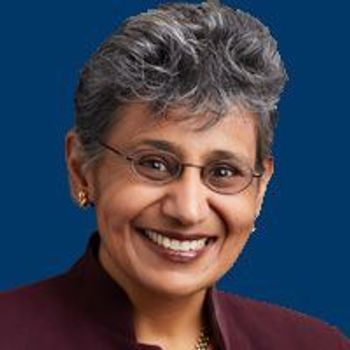
Anees Chagpar, MD, MBA, MPH, FACS, FRCS(C), Professor of Surgery (Oncology) and a member of the Cancer Prevention and Control Research Program at Yale Cancer Center was named a Fellow of the American Society of Clinical Oncology.
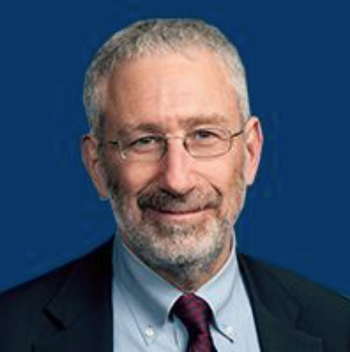
The challenges of assessing COVID-19 vaccines shows that events in the real world may differ from those of a formal objective scientific analysis, especially in a setting where such evaluations of necessity involve very small numbers.
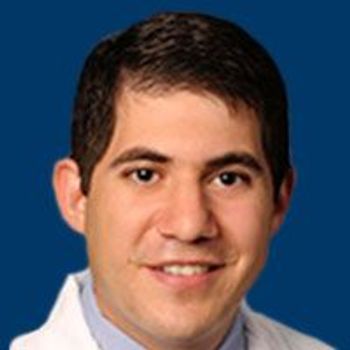
The ongoing, phase 1/2 PrE0404 trial is evaluating the combination of ixazomib and ibrutinib in patients with relapsed/refractory mantle cell lymphoma with the goal of improving upon single-agent BTK inhibitor therapy in this patient population.
Columbia University Irving Medical Center will partner with Advaxis, Inc. to fund a phase 1 clinical trial that seeks to examine the novel off-the-shelf neoantigen immunotherapy agent ADXS-504 in patients with biochemically recurrent prostate cancer.

Ola Landgren, MD, PhD, and Francesco Maura, MD, discuss their research with whole-genome sequencing in patients with precursor conditions, and spotlight next steps for research.

Offering patients with metastatic gastroesophageal tumors a more personalized and adaptable treatment approach using monoclonal antibodies matched to genetic profiles in combination with chemotherapy may result in higher rates of survival compared with historic controls.
Pretreatment circulating tumor DNA levels were found to more objectively measure disease burden compared with diagnosis-to-treatment intervals in patients with diffuse large B-cell lymphoma and can therefore be used to quantify and mitigate selection bias in prospective DLBCL clinical trials.
The safety, tolerability, pharmacokinetics, and preliminary antitumor activity of the novel agent XB002 is set to be examined in an upcoming phase 1 clinical trial that is expected to begin the second quarter of 2021.
The treatment paradigm for relapsed/refractory multiple myeloma has expanded rapidly with the recent integration of selinexor and BCMA-directed therapies, such as belantamab mafodotin-blmf and idecabtagene vicleucel.
Anne Chiang, MD, PhD, has been appointed an Executive Officer of the Southwest Oncology Group Cancer Research Network.
Investigators are studying LN-145, a novel immunotherapy developed from autologous tumor-infiltrating lymphocytes, as a potential new option for patients with unresectable or metastatic non–small cell lung cancer after disease progression on a checkpoint inhibitor and chemotherapy.
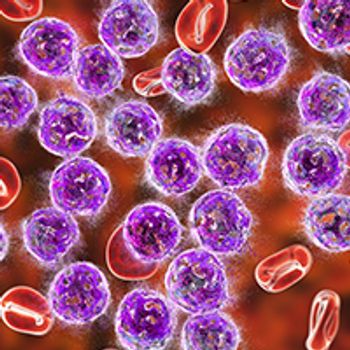
Acalabrutinib elicited early antitumor activity with acceptable tolerability in a population of Japanese patients with relapsed/refractory B-cell malignancies.