































































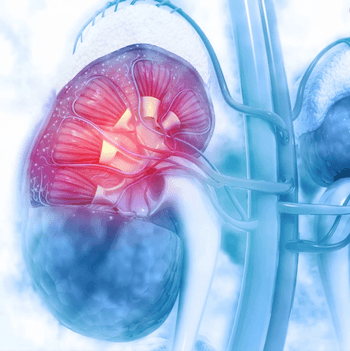
February 12, 2021 - Cabozantinib demonstrated significant intracranial and extracranial responses in patients with metastatic renal cell carcinoma who have brain metastases.
February 12, 2021 - Cabozantinib demonstrated significant intracranial and extracranial responses in patients with metastatic renal cell carcinoma who have brain metastases.

Cristiane Bergerot PhD, MS, BS, discusses how a higher starting dose of lenvatinib, to be combined with everolimus, can improve health-related quality of life in patients with renal cell carcinoma, as demonstrated in a phase 2 open-label trial.

February 12, 2021 - The combination of nivolumab and cabozantinib continued to showcase a superior survival benefit over single-agent sunitinib when used as first-line treatment in patients with advanced renal cell carcinoma.

Eleni Efstathiou, MD, discusses the key findings of the placebo-controlled, double-blind phase 3 ACIS study of apalutamide and abiraterone acetate plus prednisone versus prednisone alone in patients with chemotherapy-naïve metastatic castration-resistant prostate cancer.

February 12, 2021 - The FDA has approved trilaciclib to reduce the frequency of chemotherapy-induced bone marrow suppression in adults receiving certain types of chemotherapy for extensive-stage small cell lung cancer.
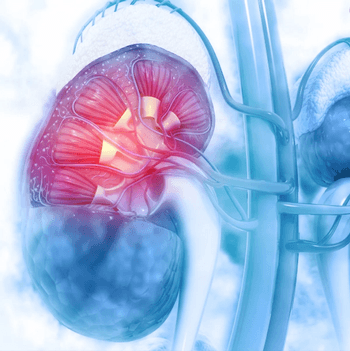
February 12, 2021 - Tivozanib led to a significantly greater quality-adjusted time without symptoms of disease and toxicity as third- or fourth-line therapy versus sorafenib in patients with metastatic renal cell carcinoma.

February 12, 2021 - Crossover from placebo to darolutamide appeared to have minimal impact on the overall survival benefit experienced by patients with nonmetastatic castration-resistant prostate cancer who were enrolled to the pivotal phase 3 ARAMIS trial.

February 12, 2021 - Atezolizumab monotherapy showed favorable outcomes compared with chemotherapy alone as frontline treatment for patients with cisplatin-ineligible IC2/3 advanced or metastatic urothelial carcinoma.

February 12, 2021 - The European Commission has granted marketing authorization to tucatinib for use in combination with trastuzumab and capecitabine in the treatment of adult patients with HER2-positive, locally advanced or metastatic breast cancer who have previously received at least 2 HER2-targeted regimens

February 12, 2021 - The androgen receptor inhibitor darolutamide continues to show favorable tolerability in patients with nonmetastatic castration-resistant prostate cancer, even when given for a prolonged period of time.
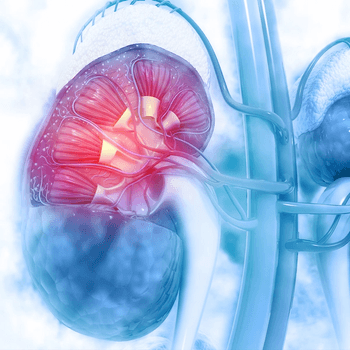
February 12, 2021 - Patients with advanced renal cell carcinoma reported improved health-related quality of life when treated with nivolumab plus cabozantinib compared with sunitinib


Novel drugs have especially improved the treatment options for relapsed myeloma, with some agents now also being used as frontline therapy. As a result, outcomes for patients with newly diagnosed and relapsed disease continue to improve with prolongation of median survival to greater than 7 years from diagnosis.

Tian Zhang, MD, discusses the goal of the ongoing PDIGREE trial examining nivolumab and ipilimumab plus cabozantinib in patients with metastatic untreated renal cell cancer.

February 11, 2021 - Adding apalutamide to abiraterone acetate and prednisone reduced the risk of radiographic progression or death by 30% in patients with chemotherapy-naïve metastatic castration-resistant prostate cancer receiving androgen deprivation therapy.

February 11, 2021 - Treatment with the first-generation precision cell therapy Orca-T led to a significant reduction in cases of graft-versus-host disease, an impressive GVHD relapse-free survival rate, a lack of treatment-related mortalities, while showcasing scalability potential.

February 11, 2021 - Avelumab as frontline maintenance therapy plus best supportive care showed a favorable benefit-risk balance in Japanese patients with advanced urothelial cancer that did not progress on first-line chemotherapy.

February 11, 2021 - The novel tubulin inhibitor VERU-111 demonstrated early antitumor activity and a well-tolerated safety profile in patients with metastatic castration-resistant prostate cancer who failed a prior androgen receptor–targeting agent.

February 11, 2021 - First-line treatment with immune checkpoint inhibitor–based regimens could be linked with an improvement in overall survival versus select targeted therapies in patients with metastatic non–clear cell renal cell carcinoma.

February 11, 2021 - Lenvatinib in combination with everolimus has proven to be safe and effective when used in the treatment of patients with clear cell renal cell carcinoma who had previously received an immune checkpoint inhibitor.

February 11, 2021 - A conditioning regimen comprised of targeted radiation with Iomab-B led to a lower incidence of sepsis as well as trends toward reduced rates of severe mucositis and febrile neutropenia versus conventional care and standard conditioning regimens in older adults with relapsed or refractory acute myeloid leukemia.

Atish D. Choudhury, MD, PhD, discusses the rationale behind combining pembrolizumab with radium-223 in patients with metastatic castration-resistant prostate cancer as part of a phase 2 clinical trial.

R. Lor Randall, MD, discusses the intriguing risk-stratification–based trial in NSTRS and how the findings can be used to guide treatment decisions in this pediatric population.
February 10, 2021 - A biologics license application has been submitted to the FDA for the accelerated approval of the antibody-drug conjugate tisotumab vedotin for use in patients with recurrent or metastatic cervical cancer that has progressed on or following chemotherapy.

February 10, 2021 - Hematopoietic recovery following myeloablative transplantation with omidubicel was faster than standard myeloablative umbilical cord blood transplantation and was associated with encouraging clinical benefit.