






































Lara Kujtan, MD, sheds light on how to navigate the complex paradigm of oncogene-driven non–small cell lung cancer and stressed the importance of patient preferences when deciding on optimal treatment approaches.
Lara Kujtan, MD, sheds light on how to navigate the complex paradigm of oncogene-driven non–small cell lung cancer and stressed the importance of patient preferences when deciding on optimal treatment approaches.
Petros Grivas, MD, PhD, discusses the rapidly evolving field of locally advanced and metastatic bladder cancer.

Mothaffar F. Rimawi, MD, discusses the current options in HER2-positive breast cancer and sheds light on where future research is headed.
Krish Patel, MD, discusses some of the most significant mantle cell lymphoma data presented during the 2018 ASH Annual Meeting and how the use of BTK inhibitors will evolve going forward.

Omid Hamid, MD, discusses the mechanism by which talimogene laherparepvec operates, the trials that served as the basis for its approval, and the impact of oncolytic viruses on the field of oncology overall.

The European Commission has approved nivolumab combined with low-dose ipilimumab as a frontline treatment for patients with intermediate- and poor-risk advanced renal cell carcinoma.

The FDA has granted the investigational BTK inhibitor zanubrutinib a breakthrough therapy designation for the treatment of adult patients with mantle cell lymphoma who have previously received at least 1 prior therapy.
The FDA has approved cabozantinib as a treatment for patients with hepatocellular carcinoma who previously received sorafenib.
Frontline varlitinib (ASLAN001) added to mFOLFOX6 was not found to significantly reduce tumor size after 12 weeks of therapy compared with mFOLFOX6 alone in patients with HER1/HER2 co-expressing advanced or metastatic gastric cancer, missing the primary endpoint of a phase II study.
Evan Y. Yu, MD, discusses the available options for patients with metastatic castration-naïve prostate cancer.

Sumanta K. Pal, highlights the different combination regimens that are making headlines in the treatment of patients with metastatic renal cell carcinoma.
Joyce F. Liu, MD, MPH, highlights the recent changes in the newly diagnosed ovarian cancer space and what the oncology field could see by the end of 2019.

Peter Voorhees, MD, discusses the clinical potential of adding daratumumab to bortezomib, lenalidomide, and dexamethasone in patients with multiple myeloma.

Nina Shah, MD, discusses the promise of bb21217 in the complex treatment paradigm of relapsed/refractory multiple myeloma
Jonathan L. Wright, MD, MS, FACS, highlights the available therapies for patients with localized muscle-invasive bladder cancer.

Harsha Ranganath, MD, discusses the current and future treatment of patients with nonmetastatic castration-resistant prostate cancer.
David S. Siegel, MD, PhD, discusses a potentially practice-changing trial in multiple myeloma.
Matthew P. Goetz, MD, discusses the impact of CDK4/6 inhibitors and their future role in the treatment of hormone receptor–positive breast cancer.
Nivolumab demonstrated a significant extension in overall survival versus chemotherapy in patients with unresectable advanced or recurrent esophageal cancer that is refractory to or intolerant of fluoropyrimidine plus platinum-based therapy.
Holger L. Gieschen, MD, discusses the role of radiation therapy in prostate cancer and ongoing efforts to further refine this strategy.
A targeted liquid biopsy may have the potential to serve as an early diagnostic tool for endometrial cancer.
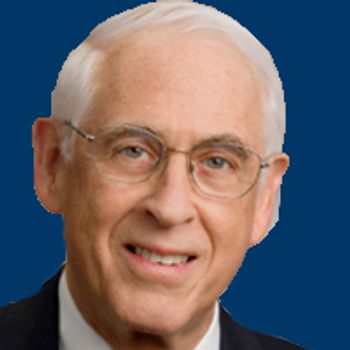
John Mendelsohn, MD, a 2016 Giants of Cancer Care® in Scientific Advances in recognition of his groundbreaking research that led to the development of cetuximab, died January 7 at his home in Houston, Texas at the age of 82.

The investigational mitomycin formulation UGN-101 demonstrated a 57% complete response rate in patients with low-grade upper-tract urothelial cancer.
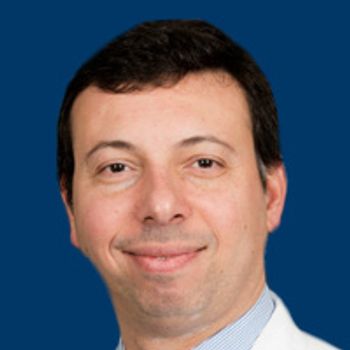
Daniel Vaena, MD, discusses the treatment of patients with metastatic castration-naïve disease and nonmetastatic castration-resistant prostate cancer, underscoring the importance of risk stratification in both settings.
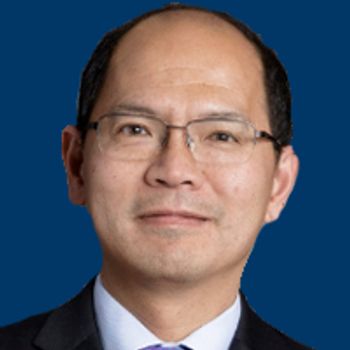
Kwok-Kin Wong, MD, PhD, discusses updates in non–small cell lung cancer and the importance of enrolling patients in clinical trials to further progress the field.