




































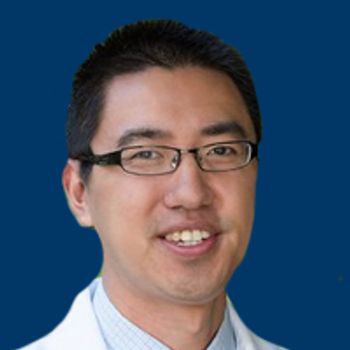
Daneng Li, MD, shed light on some of the currently available regimens and ongoing research efforts being conducted in hepatocellular carcinoma and neuroendocrine tumors.
Daneng Li, MD, shed light on some of the currently available regimens and ongoing research efforts being conducted in hepatocellular carcinoma and neuroendocrine tumors.
Due to major advancements made within the past year in the development of new therapies for patients with difficult-to-treat, rare cancers, ASCO has selected progress in treating rare cancers as its Advance of the Year.
The FDA has recommended that Aveo Oncology should not submit a new drug application for tivozanib with the preliminary overall survival data from the phase III TIVO-3 trial of patients with highly refractory, advanced or metastatic renal cell carcinoma.
Timothy Saettele, MD, explains the critical role of the pulmonologist in the management of patients with lung cancer and highlights novel and available methods to improve diagnosis and staging of nodules or masses.
Huma Q. Rana, MD, discusses the evolution of genetic testing in ovarian cancer and the genes that are associated with an increased risk of subsequent cancer development.

The FDA has expanded the indication for pemetrexed in combination with pembrolizumab and platinum-based chemotherapy for the first-line treatment of patients with metastatic nonsquamous non–small cell lung cancer without EGFR or ALK alterations.
Stephanie L. Graff, MD, discusses the latest updates on escalation and de-escalation of therapy in patients with HR-positive breast cancer.
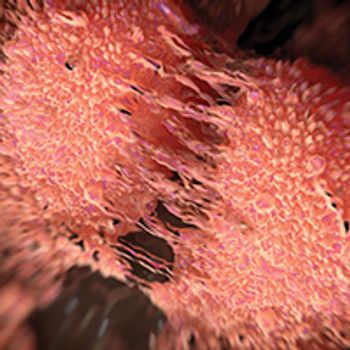
Apalutamide (Erleada) in combination with androgen deprivation therapy was found to significantly improve radiographic progression-free survival and overall survival versus placebo in patients with metastatic castration-sensitive prostate cancer.
Neeraj Agarwal, MD, discusses his preferred sequencing strategies in the treatment of patients with mRCC.
Allyson J. Ocean, MD, discusses the potential impact of SM-88 in the treatment of patients with advanced pancreatic cancer and highlights a platform that patients can use to stay updated on the latest research in the field.
Susan Domcheck, MD, discusses the updated results of the MEDIOLA trial in patients with germline BRCA-mutated metastatic breast cancer and speaks to the next phase of development with the combination.
The Lung Cancer Master Protocol, known as the first precision medicine trial in lung cancer supported by the National Cancer Institute, has expanded to include patients with all types of non–small cell lung cancers.

The National Pancreas Foundation (NPF) has designated Roswell Park Comprehensive Cancer Center as an NPF Center for pancreatic cancer.
Kevin Kalinsky, MD, MS, highlights the recent data with alpelisib and CDK4/6 inhibitors, the toxicity differences between the 3 available CDK4/6 agents, and the next steps for both classes of agents.
Susana Campos, MD, MPH, highlights the success with PARP inhibitors in the relapsed and maintenance ovarian cancer settings.
RNA-based analyses of prospectively-collected tumor specimens from patients with metastatic renal cell carcinoma in the phase III COMPARZ trial revealed 4 molecular subgroups, of which a high angiogenesis expression and a low macrophage infiltrate were indicative of response to frontline TKI therapy.

Charles E. Geyer, Jrm, MD, discusses the clinical implications of the KATHERINE trial and the outlook for T-DM1 in patients with HER2-positive breast cancer.

Stephanie K. Dougan, PhD, discusses research aimed at assessing ways of augmenting T-cell immunity in pancreatic cancer.
Subha Madhavan, PhD, discusses the role of data science and informatics in bringing novel clinical study designs to the field of oncology.
Erika P. Hamilton, MD, discusses the findings from the phase II nextMONARCH 1 study of abemaciclib in HR-positive, HER2-negative advanced breast cancer.
Michael J. Overman, MD, highlights new combination agents under investigation for the treatment of patients with GI cancers—specifically CRC—and challenges that still need to be addressed.

Amol K. Narang, MD, discusses recent advances made in the treatment of pancreatic cancer and explained how radiation oncology can be used to provide further clinical benefit to this patient population.
The FDA has approved the combination of ibrutinib and obinutuzumab for the first-line treatment of patients with chronic lymphocytic leukemia or small lymphocytic lymphoma.
Ajai Chari, MD, discusses novel treatment approaches for patients with heavily pretreated multiple myeloma.
Paula Klein, MD, discusses the research surrounding extended adjuvant therapy in early-stage hormone receptor-positive breast cancer.