






































Cure rates in diffuse large B-cell lymphoma remain relatively unchanged, even following therapeutic additions to the armamentarium and an improved understanding of disease biology.
Cure rates in diffuse large B-cell lymphoma remain relatively unchanged, even following therapeutic additions to the armamentarium and an improved understanding of disease biology.

Hundreds of oncology professionals will gather for this “how-to” conference to hear innovative strategies for enhancing program operations, addressing gaps in care delivery, tackling real-world challenges, and supporting a culture of well-being for the entire multidisciplinary care team.
Phase I data showed that combining venetoclax and navitoclax plus chemotherapy demonstrated encouraging responses and tolerability in patients with relapsed/refractory acute lymphoblastic leukemia or lymphoblastic lymphoma.
While clinical trial findings with chimeric antigen receptor (CAR) T-cell therapy have impacted the landscape of pediatric acute lymphoblastic leukemia, additional CAR T-cell products continue to be investigated.

Early identification of inherited predisposition to forms of myelodysplastic syndrome and acute myeloid leukemia in pediatric patients can assist in treatment decisions and selection for familial stem cell transplant.
The FDA has approved moxetumomab pasudotox for the treatment of adult patients with relapsed or refractory hairy cell leukemia following at least 2 prior lines of therapy.
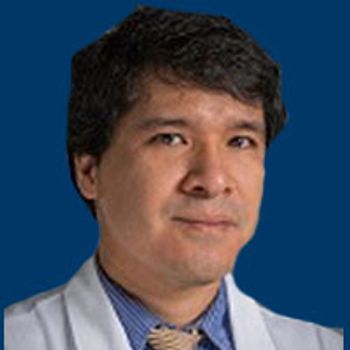
Julio C. Chavez, MD, discusses prognostic indicators and systemic treatment updates for patients with acute lymphoblastic leukemia.

Bradley McGregor, MD, discusses the impact of combination therapies on the treatment landscape and highly anticipated studies in renal cell carcinoma.
Following survival improvements in the field of adolescents and young adults with acute lymphoblastic leukemia, researchers must turn their focus to lowering toxicity, and delivering treatment to high-risk subgroups, among others.
Kenneth H. Shain, MD, PhD, discusses the evolution of treatment for patients with newly diagnosed multiple myeloma and how physicians are leveraging data with chimeric antigen receptor T-cell therapy and minimal residual disease negativity to improve outcomes.

Philip Bierman, MD, discusses the current landscape of central nervous system involvement in aggressive lymphoma and the research that should be conducted.

Frederick L. Locke, MD, discusses the expansion of CAR T-cell therapy in patients with lymphomas following the 2017 approval of axicabtagene ciloleucel and remaining research questions with the therapy.
The FDA has scheduled an Oncologic Drugs Advisory Committee hearing for October 10, 2018, to discuss a biologics license application for CT-P10, a proposed biosimilar to rituximab.
The FDA has granted a priority review designation to single-agent pembrolizumab for the frontline treatment of patients with locally advanced or metastatic nonsquamous or squamous non–small cell lung cancer with PD-L1 expression ≥1% and no EGFR or ALK genomic tumor aberrations.
The FDA has added minimal residual disease data from the phase III MURANO trial to the label for venetoclax for its approved use in combination with rituximab for previously-treated patients with chronic lymphocytic leukemia.
Safety and efficacy findings for regorafenib in patients with previously treated metastatic colorectal cancer were consistent with previous phase III results.

Combining the PD-L1 inhibitor avelumab with the VEGF inhibitor axitinib significantly improved progression-free survival compared with sunitinib in treatment-naïve patients with advanced renal cell carcinoma, according to findings from the phase III JAVELIN Renal 101 study.
Richard D. Hall, MD, recaps updates from the 2018 AACR Annual Meeting and the 2018 ASCO Annual Meeting in non–small cell lung cancer.
Matthew Ladra, MD, MPH, discusses the treatment of patients with esthesioneuroblastoma, emphasizing the need for collaboration in this rare malignancy.
Andrew T. Kuykendall, MD, discusses the presentation of myeloproliferative neoplasms, novel agents in development, and the overall outlook of these diseases.

Padmanee Sharma, MD, PhD, shares her insight on the current state of immunotherapy in the treatment of patients with genitourinary cancers.
The Sidney Kimmel Cancer Center – Jefferson Health announces a collaboration with Driver, a first-of-its-kind global technology platform that connects cancer patients to the best treatments, which launched today in the United States and China.
The European Commission has approved frontline pembrolizumab for use in combination with standard chemotherapy for patients with metastatic nonsquamous non–small cell lung cancer without EGFR or ALK mutations.
Jonathan R. Strosberg, MD, discusses the latest NETTER-1 update and the potential impact of Lutathera in patients with gastroenteropancreatic NETs.
Benjamin P. Levy, MD, discusses established and emerging biomarkers that could have predictive value with immunotherapy.