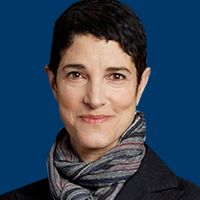






































Peter L. Choyke, MD, FACP, discusses the clinical implications of emerging technologies for prostate cancer imaging.
Peter L. Choyke, MD, FACP, discusses the clinical implications of emerging technologies for prostate cancer imaging.
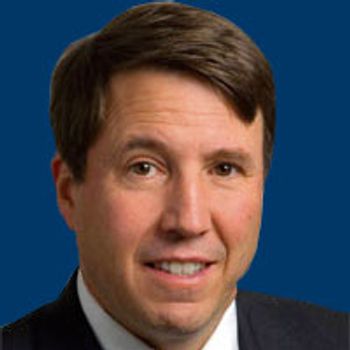
Andrew L. Pecora, MD, discusses the use of autologous stem cell transplantation in patients aged ≥75 years and the future of care in multiple myeloma.
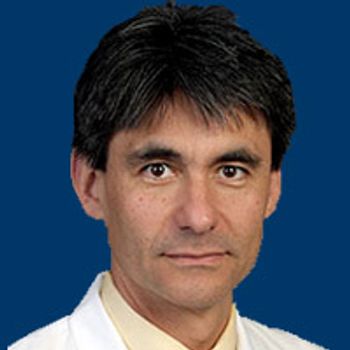
Carlos Becerra, MD, discusses sequencing strategies, immunotherapy, and practice-changing clinical trials in the field of pancreatic cancer.

Zhaoming Wang, PhD, discusses the first assessment of the joint effects of rare and common genetic variations in survivors of childhood cancers.
The FDA has extended the review period for a supplemental biologics license application for atezolizumab for use in combination with bevacizumab, carboplatin, and paclitaxel for the first-line treatment of patients with metastatic nonsquamous non–small cell lung cancer.
Celeste Bello, MD, discusses the latest advances in the treatment of patients with follicular lymphoma.
Francesca Gay, MD, PhD, discusses the FORTE trial comparing carfilzomib plus lenalidomide and dexamethasone versus carfilzomib plus cyclophosphamide and dexamethasone in newly diagnosed patients with multiple myeloma.
The FDA has granted LOXO-292 a breakthrough therapy designation for the treatment of patients with RET fusion–positive non–small cell lung cancer or RET-mutant medullary thyroid cancer.
Panagiotis A. Konstantinopoulos, MD, PhD, discusses the findings of the TOPACIO/KEYNOTE-162 study and the future for PARP inhibitor combinations and immunotherapy overall in ovarian cancer.

Benjamin L. Maughan, MD, PharmD, discusses the tolerability of combining radium-223 dichloride and enzalutamide, as well as the next steps with this combination.
David G. Maloney, MD, PhD, reviews the latest developments with chimeric antigen receptor T-cell therapy in patients with non-Hodgkin lymphoma.
Simon Rule, MD, PhD, discusses the current and potential use of BTK inhibitors for the treatment of patients with mantle cell lymphoma.
R. Wendel Naumann, MD, discusses the use of neoadjuvant chemotherapy and surgery for patients with ovarian cancer.
The FDA has granted a priority review to a supplemental biologics license application for pembrolizumab for the treatment of pediatric and adult patients with recurrent locally advanced or metastatic Merkel cell carcinoma.

Hackensack Meridian Health John Theurer Cancer Center at Hackensack University Medical Center will host its tenth annual Celebrating Life and Liberty event at MetLife Stadium September 14.
Alyssa Dahl, MPH, CPH, discusses what to watch for when the CMS releases performance results for the Oncology Care Model.
Richard Riedel, MD, discussed the presentation and standard management of uterine sarcomas, the potential role of immunotherapy and targeted agents, and the challenges he hopes to overcome in the landscape in the near future.
The European Commission has approved daratumumab for use in combination with bortezomib, melphalan, and prednisone (VMP) for the treatment of adult patients with newly diagnosed multiple myeloma who are ineligible for autologous stem cell transplant.
Keith T. Flaherty, MD, discusses the clinical implications of the COLUMBUS trial of encorafenib plus binimetinib in patients with BRAF-mutated melanoma.
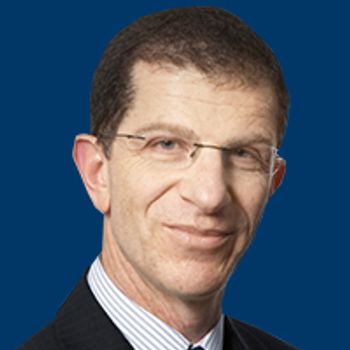
Danny Rischin, MD, MBBS, FRACP, discusses the potential for cemiplimab as a novel PD-1 inhibitor for patients with metastatic and locally advanced cutaneous squamous cell carcinoma.
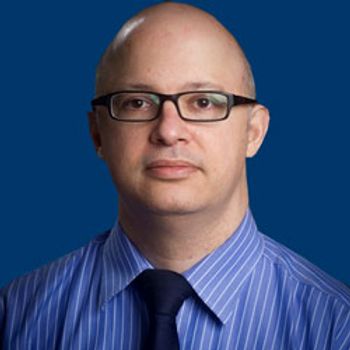
Luciano J. Costa, MD, PhD, discusses the emerging potential of combing venetoclax with carfilzomib and dexamethasone as a treatment for patients with relapsed/refractory multiple myeloma.
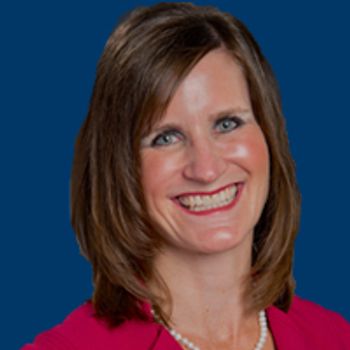
Shirley Michelle Shiller, DO, discusses the clinical application of precision medicine in gastrointestinal cancer.

Jarushka Naidoo, MBBCh, discusses the toxicities associated with the use of immunotherapy in oncology, optimal methods of managing them, and the growing body of knowledge on why they occur.

Paul A. Bunn Jr, MD, discusses the potential for new agents to treat small cell lung cancer, the challenges involved in treating this population, and the ongoing search for biomarkers to guide treatment decisions.
The FDA has accepted a supplemental biologics license application for dasatinib for use in combination with chemotherapy for the treatment of pediatric patients with newly diagnosed Philadelphia chromosome–positive acute lymphoblastic leukemia.