






































Petros Grivas, MD, shares insight on the value of combining immunotherapy regimens in the treatment of patients with urothelial carcinoma.
Petros Grivas, MD, shares insight on the value of combining immunotherapy regimens in the treatment of patients with urothelial carcinoma.
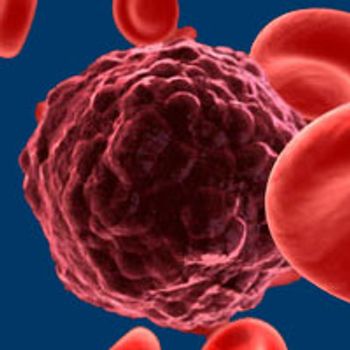
Children with B-cell acute lymphoblastic leukemia who were positive for CD200 and/or CD56 expression had significantly poorer overall survival and disease-free survival.

An adjusted combination of chemotherapy, radiation therapy, and surgery induced a 5-year overall survival rate of 91.3% in pediatric patients with rhabdomyosarcomas of the head and neck.

While survivors of childhood cancers are at increased risk for developing soft-tissue sarcomas compared with the general population, the absolute risk for developing STS is low except for leiomyosarcoma after retinoblastoma.
Patrick Borgen, MD, discusses the importance of neoadjuvant therapy in the treatment of patients with HER2-positive breast cancer.
The FDA has granted a priority review to a biologics license application for mogamulizumab for the treatment of patients with cutaneous T-cell lymphoma who have received at least 1 prior systemic therapy.
Avelumab did not improve overall survival compared with chemotherapy in previously treated patients with gastric or gastroesophageal junction adenocarcinoma, according to findings from the phase III JAVELIN Gastric 300 trial.
Dan T. Vogl, MD, highlights the potential with CAR T-cell therapy in the multiple myeloma paradigm.

A sNDA has been submitted to Japan’s Pharmaceuticals and Medical Devices Agency for the use of osimertinib (Tagrisso) as a frontline treatment for patients with inoperable or recurrent EGFR-positive NSCLC.

Sara M. Tolaney, MD, discusses the state of adjuvant treatment for patients with HER2-positive breast cancer.
Neeraj Agarwal, MD, recaps the latest advancements in newly diagnosed RCC.
Jacqueline Claudia Barrientos, MD, discusses the appropriate treatment strategies for elderly patients with chronic lymphocytic leukemia.
Susan R. Rheingold, MD, discusses the impact of CAR T-cell therapy on patients with ALL and options for patients who relapse on treatment.
Lajos Pusztai, MD, discusses neoadjuvant and adjuvant treatment decisions for patients with HER2-positive breast cancer, as well as the potential of immunotherapy in the metastatic setting.

Columbia University and NewYork-Presbyterian announced today that Florence Irving and her late husband, Herbert Irving, have given $700 million to the two institutions to dramatically advance research and clinical programs for the treatment of cancer.
A. David McCollum, MD, discusses the optimal management of CRC in the first-line setting and the ongoing research with checkpoint inhibitors designed to benefit larger groups of patients.
The inaugural Luminary Awards in GI Cancer, which will be hosted by OncLive and The Ruesch Center for the Cure of Gastrointestinal Cancers, will honor Julie Fleshman, Daniel G. Haller, Henry T. Lynch, Frank McCormick and Andrew L. Warshaw for their dedication to the gastrointestinal cancers community.
The European Commission has approved niraparib as a maintenance therapy for women with platinum-sensitive relapsed high-grade serous epithelial ovarian, fallopian tube, or primary peritoneal cancer who are in complete or partial response to platinum-based chemotherapy.
Carlos Becerra, MD, discusses the current management and emerging therapies for patients with pancreatic cancer.
A second course of radium-223 was associated with minimal hematologic toxicity and low radiographic bone progression rates in a phase I/II study of men with metastatic castration-resistant prostate cancer.
Tanya B. Dorff, MD, discusses several important components regarding metastatic castration-resistant prostate cancer treatment, including the addition of novel drugs, optimal therapeutic sequences, and the identification of predictive biomarkers.
Richard S. Finn, MD, discusses the evolution of CDK 4/6 inhibition in the field of breast cancer and appropriate patient selection for this type of therapy.
George R. Blumenschein, MD, discusses the current treatment landscape for patients with squamous cell lung cancer.
The European Commission has approved abiraterone acetate (Zytiga) in combination with prednisone/prednisolone for the treatment of adult men with newly-diagnosed high-risk metastatic hormone-sensitive prostate cancer.
A supplemental biologics license application has been submitted to the FDA for daratumumab for use in combination with bortezomib, melphalan and prednisone for the treatment of patients with newly diagnosed multiple myeloma who are ineligible for autologous stem cell transplantation.