

Prostate Cancer
Latest News
Advertisement
Latest Videos
















































Advertisement
More News
Cristina Magi-Galluzzi, MD, PhD, discusses the importance of properly diagnosing patients with prostate cancer to avoid overtreatment.
Christopher Sweeney, MBBS, discusses the results of the ENZAMET trial and the next steps for researching the efficacy of enzalutamide in the treatment of patients with metastatic hormone-sensitive prostate cancer.
Evan Y. Yu, MD, discusses the rationale behind the KEYNOTE-365 trial, looking at pembrolizumab plus olaparib in patients with metastatic castration-resistant prostate cancer previously treated with docetaxel.

Lead Investigator Highlights Apalutamide Efficacy in Metastatic Castration-Sensitive Prostate Cancer
Kim Chi, MD, discusses how the next-generation androgen receptor inhibitor apalutamide in combination with androgen deprivation therapy could be a new standard of care for patients with metastatic castration-sensitive prostate cancer.
Atish D. Choudhury, MD, PhD, co-director of the Prostate Cancer Center, senior physician, Dana-Farber Cancer Institute, and instructor in medicine, Harvard Medical School, discusses the use of targeted therapy in prostate cancer.
Pei-Chun McGregor, MD, cardio-oncologist and director of Ambulatory Cardiology at VA Boston Healthcare System, instructor in medicine, Brigham and Women’s Hospital, discusses the hope for the phase IIb PRONOUNCE trial in prostate cancer.
Karim Fizazi, MD, PhD, discusses the impact of darolutamide on pain progression and quality of life in patients with nonmetastatic castration-resistant prostate cancer.
David J. Einstein, MD, instructor of medicine, Harvard Medical School, attending physician, Beth Israel Deaconess Medical Center, discusses treatment approaches for patients with early evidence of oligometastatic prostate cancer.
Richard (Rick) JaeBong Lee, MD, PhD, medical oncologist at Massachusetts General Hospital and assistant professor of medicine at Harvard Medical School, discusses the role of darolutamide in nonmetastatic castration-resistant prostate cancer (M0CRPC).
Enzalutamide in combination with androgen deprivation therapy (ADT) in men with metastatic hormone-sensitive prostate cancer demonstrated significantly improved radiographic progression-free survival versus placebo plus ADT, regardless of baseline prostate-specific antigen levels, according to expanded findings from the ARCHES study.
Evan Y. Yu, MD, discusses updated data from cohort A of the KEYNOTE-365 trial in patients with metastatic castration-resistant prostate cancer.

As immunotherapy has become increasingly utilized, urologists are more frequently participating in the management of patients who are receiving immunotherapy.
Evan Y. Yu, MD, professor, Department of Medicine, Division of Oncology, University of Washington, Seattle Cancer Care Alliance, discusses combining pembrolizumab and olaparib in metastatic castration-resistant prostate cancer.

The FDA approved indications in urologic cancers for 6 immune checkpoint inhibitors since 2015. That is unquestionably a good thing for patients, but the rise of these agents means that the role of the urologist in cancer care is changing, and some urologists are still on the fence about these agents.
David I. Quinn, MD, MBBS, PhD, FRACP, FACP, associate professor of medicine, section head, Genitourinary Oncology, Division of Cancer Medicine and Blood Diseases, Department of Medicine, Keck School of Medicine, discusses the rise of novel hormonal therapies in prostate cancer.
Over the past 5 years, the need for urologists to continue to be the leaders— the quarterbacks—in the diagnosis and management of prostate cancer has often been discussed. History will attest to urologists' success in leading this charge.
The decision to expand a practice comes with great financial cost and administrative effort. For Urology Austin, however, the benefits for their patients have outweighed the challenges of such growth.
Kent W. Mouw, MD, PhD, co-director, Bladder Cancer Center, assistant professor, Radiation Oncology, Harvard Medical School, Dana-Farber Cancer Institute, discusses the role of radiation therapy in prostate cancer.
Richard (Rick) JaeBong Lee, MD, PhD, medical oncologist at Massachusetts General Hospital and assistant professor of medicine at Harvard Medical School, discusses inclusion criteria of the phase III ARAMIS, SPARTAN, and PROSPER trials in nonmetastatic castration-resistant prostate cancer (M0CRPC).
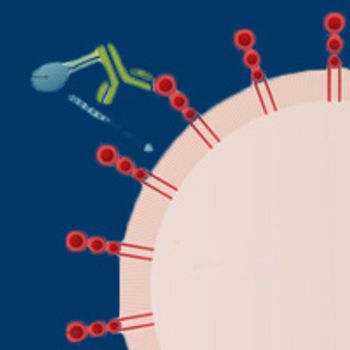
Named the medical invention of the Year by TIME magazine at the turn of the millennium, positron emission tomography/computed tomography has changed the landscape of cancer diagnosis, facilitating earlier detection and more accurate staging of a range of tumor types.
David J. Einstein, MD, genitourinary medical oncologist, Beth Israel Deaconess Medical Center, discusses novel imaging tools used in prostate cancer.
Pei-Chun McGregor, MD, cardio-oncologist and director of Ambulatory Cardiology at VA Boston Healthcare System, instructor in medicine, Brigham and Women’s Hospital, discusses guidelines regarding androgen deprivation therapy (ADT)-associated cardiac adverse events (AEs) in prostate cancer.
Orazio Caffo, MD, director of medical oncology at the Santa Chiara Hospital in Trento, Italy, discusses enzalutamide plus docetaxel combination for the frontline treatment of metastatic castration-resistant prostate cancer.
Over the past 5 years, medical oncologists have witnessed the revolutionary impact of immunotherapy on patients with advanced urologic malignancies. Over the next 5 years, these therapies likely will similarly transform urologic surgical care.

Having a late-stage treatment for pancreatic cancer that avoids many of the adverse events associated with chemotherapy would be a boon for patients.
Advertisement
Advertisement
Trending on OncLive
1
Savolitinib Plus Osimertinib NDA Submitted to FDA for MET-Driven, EGFR-Mutated NSCLC After EGFR TKI
2
Daraxonrasib Approval Signals a New Era for RAS-Targeted Therapy in Pancreatic Cancer
3
Cilta-Cel Shows Long-Term Treatment-Free Remissions in Lenalidomide-Refractory Myeloma
4
Calculating the Real Cost of False Positive Findings in Cancer Screening
5