

Jia Luo, MD, discusses ctDNA outcomes following treatment of daraxonrasib in ctDNA-evaluable patients with RAS G12X–mutant advanced NSCLC.
Jia Luo, MD, discusses ctDNA outcomes following treatment of daraxonrasib in ctDNA-evaluable patients with RAS G12X–mutant advanced NSCLC.

Although the combination of azacitidine alone plus relatlimab/nivolumab was deemed safe, it had limited efficacy in patients with relapsed/refractory AML.

Fruquintinib plus capecitabine demonstrated preliminary efficacy and safety as maintenance therapy in RAS/BRAF wild-type metastatic colorectal cancer.

Glenn J. Hanna, MD, discusses the efficacy of elraglusib plus chemotherapy with or without immunotherapy in patients with advanced salivary gland cancer.

Updated findings from a phase 2 study investigating the IL-2–binding monoclonal antibody AU-007 show a manageable safety profile with antitumor evidence.

Eighty percent of patients with early-stage dMMR solid tumors given neoadjuvant dostarlimab underwent nonoperative management of their disease.

Kathryn C. Arbour, MD, highlights the safety and early efficacy of zoldonrasib in patients with non–small cell lung cancer harboring KRAS G12D mutations.

Early complete clearance of ctDNA was linked with clinical responses to daraxonrasib in RAS-mutant advanced non–small cell lung cancer.

S. Daniel Haldar, MD, discusses outcomes for NeoAg-Vax with or without pembrolizumab in MSS metastatic colorectal cancer.

Chad Tang, MD, discusses outcomes for metastasis-directed radiotherapy without systemic therapy in oligometastatic clear cell renal cell carcinoma.

First-line tiragolumab plus atezolizumab did not improve PFS and OS vs atezolizumab alone in PD-L1–high, unresectable or metastatic NSCLC.

Bria-IMT plus checkpoint inhibition showed a manageable safety profile and activity in metastatic breast cancer.
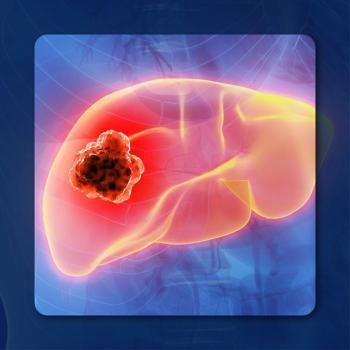
Treatment with 6.5 mg/kg of tegavivint was associated with primarily grade 1/2 TRAEs in patients with advanced hepatocellular carcinoma.

Patients with mCRPC enrolled in the phase 3 TALAPRO-2 trial harboring TMPRSS2-ERG fusions in ctDNA had a distinct tumor molecular profile vs those without.
Zongertinib provided clinical benefit in previously treated advanced non–small cell lung cancer harboring HER2 mutations.

Talazoparib plus enzalutamide improved rPFS vs placebo plus enzalutamide in patients with mCRPC with or without AR alterations.

Olaparib plus pembrolizumab was safe and effective in HRR gene–mutated and/or HRD-positive advanced tumors.

Penpulimab plus chemotherapy improved progression-free survival in recurrent or metastatic nasopharyngeal carcinoma.
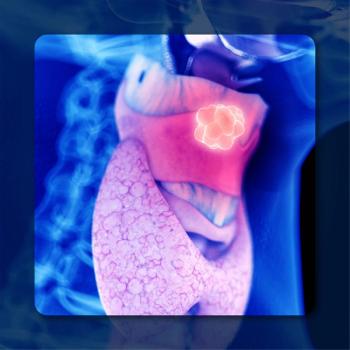
Perioperative pembrolizumab with postoperative radiation with or without cisplatin showed durable EFS in resectable, locally advanced HNSCC.

Zoldonrasib demonstrates early promise in patients with KRAS G12D–mutated non–small cell lung cancer.

Experts from across oncology specialties highlight research being presented at the 2025 AACR Annual Meeting.

Experts from across the oncology field highlight their biggest takeaways and the hottest topics from the 2024 AACR Annual Meeting.

Nivolumab plus talazoparib did not produce RECIST-based tumor responses in heavily pretreated patients with unresectable or metastatic melanoma.

Responses with savolitinib plus osimertinib were higher in patients with NSCLC who had higher MET amplification cutoffs vs the overall population.
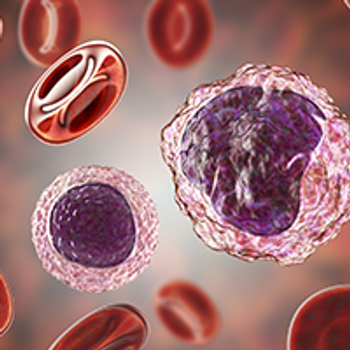
The novel CAR T-cell agent HR001 was effective, with durable responses and a favorable safety profile observed, in relapsed/refractory non-Hodgkin lymphoma.
Prophylactic treatment with RGI-2001 plus tacrolimus and methotrexate led to a lower incidence of acute GVHD vs CIBMTR control following allo-HSCT.

FPI-2265 showed promising activity in patients with metastatic castration-resistant prostate cancer which was similar to prior safety and efficacy data reported.
A proteomics analysis revealed significant variations in protein expression and informative markers between African vs European prostate tumors.
Eric S. Christenson, MD, discusses efficacy data for copanlisib plus nivolumab in patients with pretreated, MSS metastatic colorectal cancer.