

First-line treatment with camrelizumab plus rivoceranib resulted in a significant improvement in progression-free survival and overall survival compared with sorafenib in patients with unresectable hepatocellular carcinoma.
First-line treatment with camrelizumab plus rivoceranib resulted in a significant improvement in progression-free survival and overall survival compared with sorafenib in patients with unresectable hepatocellular carcinoma.

Nirogacestat led to a 71% reduction in the risk of disease progression or death compared with placebo in patients with progressive desmoid tumors.

The combination of the CDK4/6 inhibitor dalpiciclib plus letrozole or anastrozole reduced the risk of disease progression by 49% vs chemotherapy alone in patients with treatment-naïve, hormone receptor–positive, HER2-negative advanced breast cancer.

The investigational carcinoembryonic antigen claudin 6 (CLDN6)–directed CAR T-cell therapy BNT211-01 displayed clinical activity both as monotherapy and in combination with a CLDN6-encoding mRNA vaccine in patients with CLDN6-positive relapsed/refractory advanced solid tumors.

Adding oleclumab to durvalumab and chemotherapy did not increase the clinical benefit rate vs durvalumab plus chemotherapy alone as a first-line treatment for patients with advanced triple-negative breast cancer.

Sacituzumab govitecan generated statistically significant and clinically meaningful benefits in overall survival and responses vs physician’s choice of treatment in pretreated patients with hormone receptor–positive, HER2-negative metastatic breast cancer who were resistant to endocrine therapy.

The addition of abemaciclib to a nonsteroidal aromatase inhibitor elicited an improvement in overall survival vs a nonsteroidal aromatase inhibitor alone in patients with hormone receptor–positive, HER2-negative, early-stage breast cancer.

Preoperative nivolumab with or without relatlimab increased surgical feasibility in patients with resectable non–small cell lung cancer.

Rhenium-186 nanoliposome administered at doses exceeding 100 Gy demonstrated promising safety and efficacy results in patients with recurrent glioma.

Two years of olaparib maintenance therapy elicited a long-term overall survival benefit vs placebo in patients with newly diagnosed advanced ovarian cancer harboring a BRCA mutation.
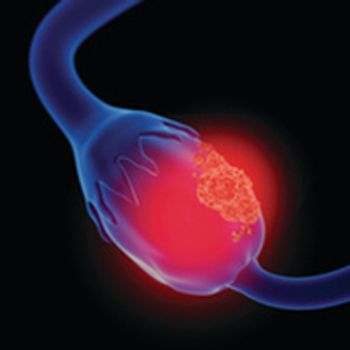
Maintenance olaparib plus bevacizumab following first-line standard-of-care treatment improved overall survival in patients with newly diagnosed advanced ovarian cancer, particularly those with homologous recombination deficiency.

Rucaparib elicited a progression-free survival benefit and comparable overall survival (OS) vs chemotherapy in patients with BRCA1/2-mutated, relapsed ovarian cancer who were sensitive to platinum-based chemotherapy.
Several leading experts discussed a variety of tumor types set to influence the next wave of investigative directions and change the standard of care for patients in abstracts at the European Society for Medical Oncology Congress 2021.

Marina Chiara Garassino, MD, professor of Medicine, Hematology and Oncology, The University of Chicago Department of Medicine, discusses the clinical implications of the phase 2 VISION trial evaluating patients with MET exon 14 skipping mutation–positive non–small cell lung cancer.

The addition of bevacizumab to erlotinib continued to provide a significant progression-free survival benefit over erlotinib alone when used in the frontline treatment of patients with EGFR-mutated, nonsquamous non–small cell lung cancer, according to data from the final analysis of the phase 3 BEVERLY trial.
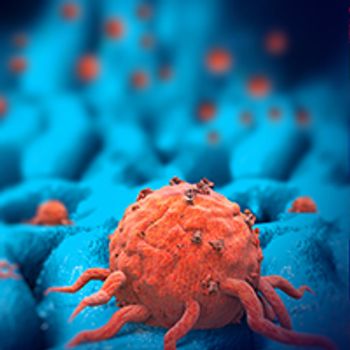
Regorafenib did not show a benefit with progression-free survival in patients with advanced or metastatic chordoma.

The median real-world progression-free survival with durvalumab was higher compared with the median progression-free survival reported in the durvalumab arm of the phase 3 PACIFIC trial in patients with stage III non–small cell lung cancer.
Fam-trastuzumab deruxtecan-nxki led to improved responses in patients with higher HER2 expression at baseline, whereas responses were seen irrespective of RAS- and PIK3CA mutation status and blood tumor mutational burden levels in patients with HER2-positive, metastatic colorectal cancer.

Adavosertib demonstrated a 65% reduction in the risk of disease progression or death compared with active monitoring in patients with TP53-/RAS-mutant metastatic colorectal cancer following first-line chemotherapy.

The addition of durvalumab to platinum/etoposide chemotherapy continued to demonstrate an overall survival benefit over chemotherapy alone with a favorable safety profile in patients with extensive-stage small cell lung cancer.

Giredestrant resulted in a greater relative reduction in Ki67 score from baseline to week 2 of a window of opportunity phase vs anastrozole in patients with estrogen receptor–positive, HER2-negative early breast cancer, according to results from an interim analysis of the phase 2 coopERA Breast Cancer trial.
Sitravatinib, a spectrum-selective TKI targeting TAM receptors and VEGFR2, administered in combination with nivolumab induced durable response and robust survival outcomes for patients with non-small cell lung cancer who progressed after deriving benefit from treatment with a checkpoint inhibitor and/or platinum doublet chemotherapy.

Blood-based tumor mutational burden does not predict a benefit of first-line atezolizumab over chemotherapy in patients with non–small cell lung cancer.

Baseline tumor immunogenicity may be associated with higher pathologic complete response rates and favorable outcomes in hormone receptor-positive, HER2-positive early stage breast cancer when comparing de-escalated neoadjuvant ado-trastuzumab emtansine with or without endocrine therapy, vs trastuzumab plus endocrine therapy.

Adjuvant treatment with atezolizumab led to an improvement in disease-free survival and time to locoregional and distant relapse compared with best supportive care in prespecified subgroups of PD-L1–positive patients with stage II to IIIA NSCLC, according to exploratory findings from the phase 3 IMpower010 trial.

First-line sunitinib was found to improve efficacy compared with placebo in patients with malignant pheochromocytoma and paragangliomas.

Clinical limit of detection may be a reasonable metric for evaluating cell-free DNA for multi-cancer early detection.

The anti-PD-1 antibody balstilimab in combination with the anti-CTLA-4 antibody zalifrelimab exhibited impressive response rates, duration of response, and overall survival in patients with previously treated recurrent/metastatic cervical cancer.

Jason J. Luke, MD, FACP, discusses the results of the phase 3 KEYNOTE-716 trial in high-risk stage II melanoma.

The frontline combination of nivolumab and chemotherapy upheld its improvement in progression-free and overall survival vs chemotherapy alone with longer follow-up of patients with advanced gastric, gastroesophageal junction, or esophageal cancer, according to data from the phase 3 CheckMate-649 trial.