

Daratumumab plus lenalidomide maintenance improved clinical outcomes vs lenalidomide monotherapy in multiple myeloma after transplant.
Daratumumab plus lenalidomide maintenance improved clinical outcomes vs lenalidomide monotherapy in multiple myeloma after transplant.

Apalutamide reduced the risk of death by over 20% vs enzalutamide and abiraterone acetate, respectively, in metastatic castration-sensitive prostate cancer.

D-VRd has the potential to significantly improve clinical outcomes in transplant-ineligible or -deferred patients with newly diagnosed multiple myeloma.
Treatment with cilta-cel led to improvements across several QOL subscales compared with SOC therapy in patients with lenalidomide-refractory myeloma.

A retrospective study found that interventions for patients experiencing grade 2 vs 3 blinatumomab-associated ICANS were not consistently implemented.
Claudia Aguilar Clancy, FNP-C, AOCNP, discusses the importance of individualized nutritional support as a component of oncology care.
Caroline Kozek, DNP, RN, AGNP-C, OCN, discusses a study assessing oncology nurses’ perceived difficulties in providing palliative care to adult patients.
Daratumumab reduced the risk of disease progression or death vs active monitoring in high-risk smoldering multiple myeloma.
Cancer clinical trial education is valuable and may promote current and future participation.

Early infection risk following cilta-cel infusion in patients with multiple myeloma emphasizes the importance of monitoring for treatment-emergent infections.

Educating patients and health care providers about BiTE-associated CRS and ICANS increases comfort levels with giving these agents in outpatient settings.
Suzanne Mahon DNS, RN, AOCN, AGN-BC, FAAN, discusses the importance of integrating genomic science into oncology practice.
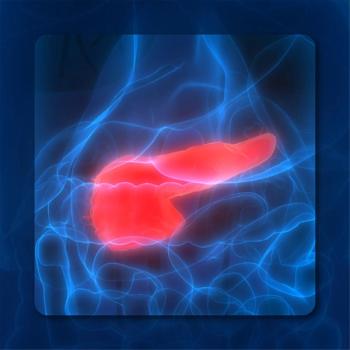
The association between greater hematologic AEs and increased OS necessitates early receipt of G-CSF after NALIRIFOX infusion for patients with PDAC.

Social factors including financial needs and stress caused increased levels of psychoneurological symptoms in breast cancer survivors.

A clinical trial steering committee from the Mount Sinai Health System helped integrate therapeutic clinical trials into the SOC for patients with cancer.

Diarrhea is common in patients with PDAC treated with NALIRIFOX and can be proactively managed or mitigated to potentially improve survival outcomes.
Richard Lee, MD, FASCO, discusses the role of integrative medicine in oncology care.
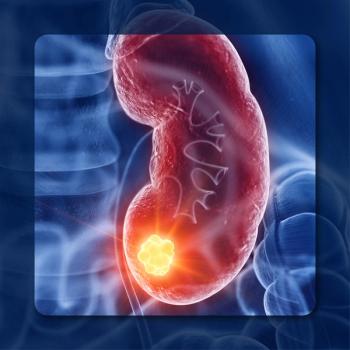
Subcutaneous nivolumab demonstrated comparable efficacy, safety, and tolerability to IV nivolumab in advanced clear cell renal cell carcinoma.

ARANOTE data underscore that combining darolutamide with ADT benefits patients with mHSPC irrespective of whether they also receive docetaxel.
A study identified individual and non-individual factors as barriers to breast cancer screening for women in Jordan.
Niraparib was found to maintain or improve health-related quality of life in patients with advanced or metastatic castration-resistant prostate cancer, according to data from the final analysis of the phase 2 GALAHAD trial.
The addition of apalutamide to androgen deprivation therapy was not found to significantly reduce health-related quality of life or increase patient-reported adverse effect burden in patients with metastatic castration-sensitive prostate cancer enrolled to the phased 3 TITAN trial.
Although it is not considered to be a standard of care for patients with indolent non-Hodgkin lymphoma, very low dose radiation therapy was found to have efficacy in the palliative setting and to allow for retreatment to the same field when needed.
The time-limited combination of ublituximab and umbralisib plus ibrutinib resulted in an undetectable minimal residual disease rate of 77% in patients with chronic lymphocytic leukemia, according to findings from a phase 2 trial (NCT04016805)

Kelly Garvin, MA, BSN, RN, discusses the impact of CAR T-cell therapy on the treatment of patients with non-Hodgkin lymphoma.
Dennise Geiger, RN, Regional Cancer Care Associates, Central Jersey Division, discusses difficulties nurses face when using telephone triage, and the plan that was developed to better streamline the process.Â

Kathryn Ciccolini, RN, BSN, OCN, DNC, Memorial Sloan Kettering Cancer Center, discusses the concept she developed to manage dermatologic adverse events for patients with cancer.

When chemotherapy involves tricky infusion timing, patients are routinely admitted to hospitals to receive their treatments. But what would happen if these drugs could be administered successfully on an outpatient basis?

West Cancer Center researchers developed a best nursing practice protocol for titration of fentanyl sublingual spray, which is the most recently approved transmucosal immediate-release fentanyl formulation.
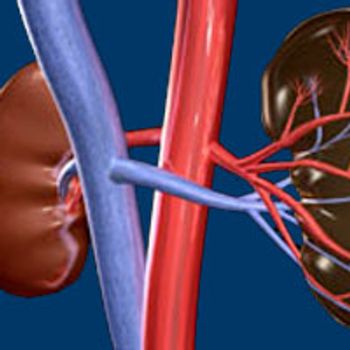
Researchers at the Rutgers Cancer Institute of New Jersey are testing the possibility of sending treatment drugs directly to the kidney in patients with upper urinary tract urothelial carcinoma.