When oncology nurses move proactively to learn more about and use proven effective green-lighted interventions like exercise and muscle relaxation in their daily practice, it can go a long way.
When oncology nurses move proactively to learn more about and use proven effective green-lighted interventions like exercise and muscle relaxation in their daily practice, it can go a long way.

A multidisciplinary team led by oncology nurses can reduce both hospitalization and treatment breaks for patients with head and neck cancer.
Ellyn Matthews, PhD, RN, AOCNS, CBSM, who holds the Elizabeth Stanley Cooper Endowed Chair in Oncology Nursing at the University of Arkansas for Medical Sciences, addresses common misconceptions that patients with cancer have about sleep disturbances.

Jeannine Brant, PhD, Billings Clinic, discusses the benefits of patient-reported outcomes in cancer care.
Cancer doesn’t discriminate, but that doesn’t mean the healthcare system won’t. This proves to be even more true for the lesbian, gay, bisexual and transgender community.

Lots of people take their work home with them, but Lynne Malestic, RN, has given the idea new meaning.
Carmela Hoefling, RN, MSN, APN-C, AOCNP, advanced practice nurse, Gastrointestinal/Hepatobiliary Oncology Program, Rutgers Cancer Institute of New Jersey, discusses the effects that malnourishment can have on surgery.

Joel Stettler, BSN, RN, OCN, Moffitt Cancer Center, discusses procedures implemented at his institution for patients who are at risk for falls.Â

Developing a skin rash as a result of EGFR-inhibitor targeted therapy often signals that the drug is working, but for patients who experience these serious dermatologic adverse events, it may become so intolerable that they will scale back or even discontinue anticancer medications that could prolong their survival.

With the growing use of oral therapies in cancer care, it is crucial that oncology nurses are using a systematic approach to assess and improve adherence, according to Whitney Perry, APRN, AOCNP.
The possibility that hospitalized cancer patients will fall is an ongoing concern among the medical professionals who care for them.

Darcy Burbage, RN, MSN, AOCN, CBCN, Helen F. Graham Cancer Center & Research Institute, discusses the role nurses play in treating patients with chemotherapy-induced peripheral neuropathy (CIPN).

Portal vein thrombosis is a dangerous and often overlooked side effect of certain gastrointestinal malignancies such as liver and pancreatic cancer, that oncology nurses need to be more proactive in managing.

For the lucky ones who attended the ONS 37th Annual Congress, it was easy not only to learn the latest findings, but also to be inspired by thousands of passionate oncology nurses.

Kathleen Madden, from NYU Langone Medical Center, on the Importance Educating Patients About Ipilimumab's Side Effects.

Krista Rubin, from Massachusetts General Hospital Cancer Center, on Understanding Ipilimumab's Toxicities.

Five nurses discuss the value of the Oncology Nursing Society (ONS) Annual Congress, which is the largest meeting held specifically for oncology nurses.

The Oncology Nursing Society (ONS) 37th Annual Congress video highlights, from OncLive TV.

The Oncology Nursing Society (ONS) 37th Annual Congress Picture Slideshow.

A recap of our coverage from the Oncology Nursing Society 37th Annual Congress, in New Orleans, where thousands of oncology nurses gathered and shared valuable clinical insights.

Mary Gullatte, the president of the Oncology Nursing Society, Discusses Nursing Shortages

Carol Bush, BS, RN, from the The University of Kansas Cancer Center, on the Midwest Cancer Alliance Telehealth Network

Universal tumor testing and a detailed personal and family history assessment are recommended for all patients with newly diagnosed colorectal cancer.
Erin McMenamin, MSN, from the Hospital of the University of Pennsylvania, on HPV-related Head & Neck Cancer Prognosis

The chemotherapy safety standards developed by ASCO and ONS were recently updated to reflect the fact that chemotherapy is delivered in a variety of settings.

Krista Rubin, MS, RN, FNP-BC, from Massachusetts General Hospital Cancer Center, on Managing Ipilimumab-related Dermatitis.
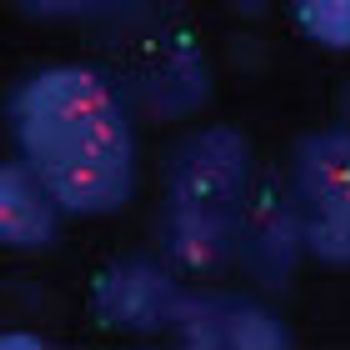
Standards for identifying appropriate populations for treatment with HER2-targeted therapies are evolving.

Michael Eckenfels, RN, OCN, from MD Anderson Cancer Center, on Changes to the Bortezomib Delivery Route.

Anna Vioral, RN, OCN, from West Penn Allegheny Health System, on Multidisciplinary Chemotherapy Safety Standards.

All oncology nurses-not just nurse researchers-will need to understand the fundamentals of clinical trials as patient access to the studies continues to expand.