
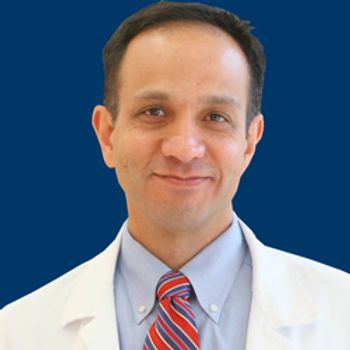
Hossein Borghaei, DO, discuss what lies ahead for immunotherapy in lung cancer, and what changes may be on the horizon for such agents as pembrolizumab (Keytruda), nivolumab (Opdivo), and ipilimumab (Yervoy) in the frontline setting.
Hossein Borghaei, DO, discuss what lies ahead for immunotherapy in lung cancer, and what changes may be on the horizon for such agents as pembrolizumab (Keytruda), nivolumab (Opdivo), and ipilimumab (Yervoy) in the frontline setting.
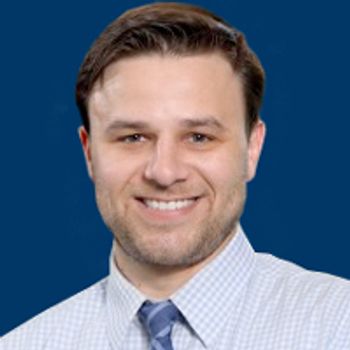
Standard of care for newly diagnosed non-small cell lung cancer is shifting to include PD-L1 expression to determine the appropriate treatment plan, says Matthew D. Hellmann, MD.
Aldo J. Montano-Loza, MD, MSc, PhD, associate professor of medicine, program director of hepatology, gastroenterology rotation supervisor, University of Alberta, discusses the link between high visceral adipose tissue and hepatocellular carcinoma risk in patients with cirrhosis.

Treatment with direct-acting antiviral therapy did not increase the risk of developing hepatocellular carcinoma in patients with hepatitis C virus (HCV) infection.

A new system for gauging the probability for hepatocellular carcinoma recurrence following liver transplant surgery has proved successful.
Balazs Halmos, MD, director, Thoracic Oncology, director, Clinical Cancer Genomics, Montefiore Medical Center, discusses the prevalence of MET mutations in patients with non–small cell lung cancer (NSCLC).

Naveed Zafar Janjua, MBBS, MSc, DrPH, senior scientist, clinical prevention services, BC Centre for Disease Control and clinical associate professor, School of Population and Public Health, University of British Columbia, discusses the findings from the British Columbia hepatitis testers cohort, which looked at the impact of hepatitis infection on long term risk of hepatocellular carcinoma (HCC).
H. Jack West, MD, a thoracic oncologist of Swedish Cancer Institute at Swedish Medical Center, discusses factors he takes into consideration for EGFR tyrosine kinase inhibitors in patients who have EGFR-positive non–small cell lung cancer (NSCLC).

There has been renewed optimism in hepatocellular carcinoma with regorafenib, a novel second-line agent that is currently being considered for approval by the FDA.

Following on their impressive success in the treatment of several other tumor types, immune-based therapies are being studied in clinical trials for hepatocellular carcinoma and are showing promising signals of efficacy.
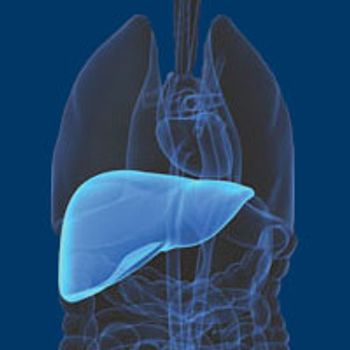
Similar recurrence-free survival was demonstrated with radiofrequency ablation using percutaneous and laparoscopic methods for patients with hepatocellular carcinoma who were eligible for ablation.

Tim F. Greten, MD, senior investigator thoracic and gastrointestinal oncology branch, head, gastrointestinal malignancy section, National Cancer Institute (NCI), discusses the potential for immunotherapy in hepatocellular carcinoma (HCC).
Hashem El-Serag, MD, MPH, medicine-gastroenterology, Baylor College of Medicine, discusses the relationship between nonalcoholic steatohepatitis (NASH) and hepatocellular carcinoma (HCC).
The use of immunotherapy as a treatment for cancer is progressively increasing with a flood of recent approvals for immune checkpoint inhibitors directed against CTLA-4 and PD-1.

Hepatocellular carcinoma‎ incidence continues to rise among patients with hepatitis B despite improvements in antiviral therapies, stressing the importance of screening and surveillance in this population.
George N. Ioannou, MD, associate professor, VA Puget Sound Health Care System, University of Washington School of Medicine, discusses a study evaluating the effectiveness of direct antiviral agents for hepatitis C virus patients with hepatocellular carcinoma (HCC).

Pembrolizumab monotherapy reduced the risk of death by 27% compared with chemotherapy for patients with advanced urothelial carcinoma whose disease progressed after prior treatment.
The combination of lirilumab and nivolumab resulted in an objective response rate of 24.1% in patients with squamous cell carcinoma of the head and neck.

Individualizing frontline therapy for patients with non–small cell lung cancer based on preferences and clinical experience, as well as efficacy and safety data from pivotal trials, is an appropriate method for selecting EGFR-targeted agents.
The treatment landscape for patients with ALK-rearranged non–small cell lung cancer is changing rapidly, gearing up the potential for more therapeutic options to address the heterogeneity of the mechanism of resistance in this population.
Roman Perez-Soler, MD, chairman of the Department of Oncology and chief of the Division of Medical Oncology at Montefiore Medical Center, Albert Einstein College of Medicine of Yeshiva University, discusses the impact of osimertinib (Tagrisso) on patients with T790M-positive non–small cell lung cancer (NSCLC).
Anne Chiang, MD, PhD, professor and thoracic oncologist at Yale Cancer Center, discusses molecular testing in lung cancer and how it affects treatment decisions.

Efforts are under way to further evaluate the effects of regorafenib on sorafenib-resistant HCC cells, including the role of suppressing the ERK signaling pathway.
Joaquim Bellmunt, MD, PhD, attending physician of Solid Tumor Oncology at Dana-Farber Cancer Institute, discusses findings from the phase III KEYNOTE-045 study, which compared second- or third-line pembrolizumab with investigator-choice chemotherapy as a treatment for patients with metastatic or locally advanced, unresectable urothelial carcinoma.

Stevan A. Gonzalez, MD MS, clinical assistant professor, department of internal medicine, Texas A&M College of Medicine, medical director of liver transplantation, Simmons Transplant Institute, Baylor All Saints Medical Center, discusses a cost effectiveness analysis of treating hepatitis C patients with hepatocellular carcinoma (HCC) before or after a liver transplant.
Lung cancer treatment has undergone a game-changing transformation within the past few years, with a burst of FDA approvals of targeted agents and immunotherapies across a number of indications.
Rodabe N. Amaria, MD, assistant professor Department of Melanoma Medical Oncology, Division of Cancer Medicine, The University of Texas MD Anderson Cancer Center, discusses the results of a recent trial testing neoadjuvant and adjuvant dabrafenib plus trametinib versus standard of care in high-risk resectable BRAF-mutant melanoma.

Results from a safety, tolerability, and dose escalation phase Ib/II study involving intratumoral SD-101 and pembrolizumab (Keytruda) have demonstrated that the combination was well-tolerated with no dose-limiting toxicities.

Treatment with the combination of dabrafenib and trametinib before and after surgery demonstrated a dramatic improvement in relapse-free survival compared with the standard of care for patients with stage IIIb/c or oligometastatic BRAF-mutant melanoma.
Keith T. Flaherty, MD, director of the Termeer Center for Targeted Therapy, Massachusetts General Hospital and professor of Medicine, Harvard Medical School, discusses the results from the COLUMBUS trial, testing encorafenib plus binimetinib compared to vemurafenib or encorafenib as single agents.