
P-BCMA-ALLO1 displayed early efficacy and safety data in relapsed/refractory multiple myeloma.
P-BCMA-ALLO1 displayed early efficacy and safety data in relapsed/refractory multiple myeloma.

Zamto-cel produced responses and was associated with low rates of CD19 and/or CD20 antigen loss in relapsed/refractory diffuse large B-cell lymphoma.
First-line therapy with olaparib plus abiraterone demonstrated clinical benefit in rPFS and OS in mCRPC harboring germline and somatic BRCA mutations.
Barry W. Goy, MD, discusses 15-year survival outcomes with neoadjuvant androgen deprivation therapy plus EBRT in intermediate-risk prostate cancer.
Fred Saad, CQ, MD, FRCS, FCAHS, discusses the efficacy and safety of darolutamide plus ADT in mHSPC according to disease volume.
The addition of darolutamide to ADT improved rPFS and other efficacy end points vs placebo plus ADT in mHSPC.
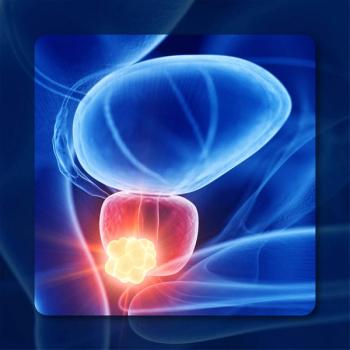
Treatment of EBRT with or without STAD for 6 months demonstrated an improvement in prostate cancer-specific survival in intermediate-risk prostate cancer.
A low composite gene expression score was associated with improved outcomes in patients with mCRPC who received bavdegalutamide.
G-CSF use and docetaxel dose modifications allowed patients with mHSPC to receive efficacious doses of docetaxel in the ARASENS trial.

Adding Lu-PSMA-617 to enzalutamide significantly improved overall survival and quality of life in metastatic castration-resistant prostate cancer.
Anakinra did not reduce cytokine release syndrome or immune effector cell–associated neurotoxicity in patients with large B-cell lymphoma receiving liso-cel.
Manmeet Singh Ahluwalia, MD, MBA, FASCO, discusses oncology advances that were highlighted at the Miami Cancer Institute Precision Oncology Symposium.

Kelly E. McCann, MD, PhD, discusses current and evolving treatment strategies for patients with HER2-positive breast cancer who develop brain metastases.
NKTR-255 combined with CD19-directed CAR T-cell therapy improved 6-month CR rates vs placebo in patients with relapsed/refractory large B-cell lymphoma.
A high-risk CAR-HEMATOTOX score was associated with worse outcomes with obe-cel in relapsed/refractory B-ALL.

Experts highlight the top presentations to watch for at the 2025 Genitourinary Cancers Symposium.
Neeta Somaiah, MD, discusses ongoing research with novel agents that have emerged and those that could soon emerge in the sarcoma treatment paradigm.
Omid Hamid, MD, provides insight on the potential role of cancer vaccines in melanoma.
Marlana M. Orloff, MD, discusses optimal therapeutic approaches for patients with uveal melanoma that is rapidly progressing.
Mark Faries, MD, discusses how CAR T-cell and TCR cell therapies compare with TIL approaches in melanoma.
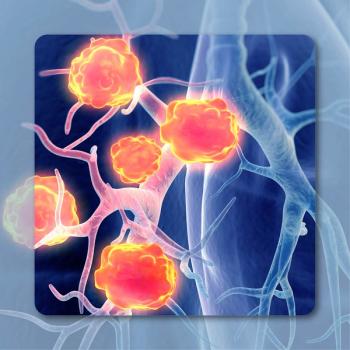
The variety of nonclassical EGFR mutations in NSCLC necessitates the development of unique treatment strategies based on individual mutational profiles.
KEAP1 and STK11 have emerged as potential biomarkers of response to immuno-oncology combinations in frontline NSCLC.

The combination of botensilimab plus balstilimab elicited high major pathologic response rates with extended time to surgery in resectable colorectal cancer.
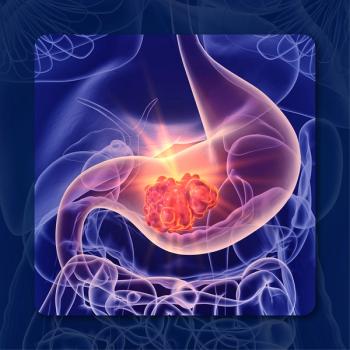
Clinical outcomes did not significantly differ with atezolizumab plus bevacizumab vs tremelimumab and durvalumab in treatment-naive, unresectable HCC.
Tarek Mekhail, MD, MSc, FRCSI, FRCSEd, discusses a case study of a patient with early-stage, nonmetastatic lung adenocarcinoma.
Benjamin P. Levy, MD, discusses the current clinical and developmental statuses of several ADCs for patients with non–small cell lung cancer.

Misty Shields, MD, PhD, provides a comprehensive overview of key updates in. the management of limited-stage small cell lung cancer.
Russell Hales, MD, discusses clinical data that challenge the use of post-operative radiotherapy in patients with non–small cell lung cancer.
Estelamari Rodriguez, MD, MPH, discusses a case study of a patient with non–small cell lung cancer harboring an EGFR L858R mutation and a TP53 mutation.

Melissa L. Johnson, MD, discusses the evolution of immunotherapy approaches beyond PD-1 inhibition in lung cancer.