

Racial and ethnic disparities for mortality are present in breast cancer, especially as it relates to radiation therapy toxicity and cardiac dose.

Your AI-Trained Oncology Knowledge Connection!
Racial and ethnic disparities for mortality are present in breast cancer, especially as it relates to radiation therapy toxicity and cardiac dose.

Jennifer K. Litton, MD, discusses challenges determining the optimal sequencing of PARP inhibitors in early-stage triple-negative breast cancer.
Kevin Kalinsky, MD, MS, discusses questions regarding the utility and implementation of genomic testing approaches in hormone receptor–positive breast cancer.
Terry P. Mamounas, MD, discusses key advancements in the use of locoregional therapy for patients with breast cancer.

Michael D. Alvarado, MD, discusses the decision to undergo breast conservation surgery vs mastectomy following neoadjuvant breast cancer therapy.
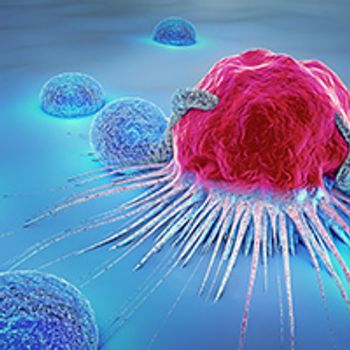
ABSK061 was well tolerated and elicited responses in patients with advanced solid tumors harboring FGFR2/3 alterations.
Ajai Chari, MD, discusses the 2024 OncLive® Bridging the Gaps in Hematologic Malignancies meeting, highlighting the treatment of multiple myeloma.

Adding lenvatinib to pembrolizumab improved ORR and PFS, but not OS, vs placebo for patients with head and neck squamous cell carcinoma.

Tycel Phillips, MD, discusses the landscape of treatment for patients with mantle cell.
An indirect comparison study in relapsed/refractory chronic lymphocytic leukemia demonstrated survival benefits with zanubrutinib vs acalabrutinib.

Alexey Danilov, MD, PhD, discusses unmet needs in hematologic malignancies to be discussed at the Bridging the Gaps in Hematologic Malignancies meeting.

Hayder Saeed, MD, discusses key takeaways regarding the use of polatuzumab vedotin plus R-CHP in diffuse large B-cell lymphoma.
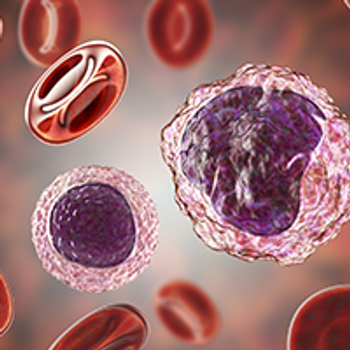
Real-world ruxolitinib use in chronic GVHD was primarily in the second- or third-line, lasted for a median of 8 months, and involved dose adjustments.

Encouraging data with RFS, OS, and NRM for Orca-T was also matched in a population of patients with hematologic cancers aged 55 years and older.

Jeremy L. Ramdial, MD, discusses the myeloablative conditioning regimen gemcitabine, clofarabine, and busulfan in patients with aggressive lymphomas.

In a retrospective analysis, Orca-T improved survival rates vs PTCy in patients with hematologic malignancies receiving myeloablative conditioning.

Alexandra Gomez Arteaga, MD, discusses a retrospective study of Orca-T vs post-transplant cyclophosphamide in acute leukemia and MDS.

Rahul Banerjee, MD, FACP, discusses the use of nivolumab in multiple myeloma or non-Hodgkin lymphoma after progression following CAR T-cell therapy.
Alice Bertaina MD, PhD, discusses T-allo10 infusion post–aβdepleted-HSCT in young patients with hematologic malignancies.

Belumosudil plus ruxolitinib elicited responses with acceptable tolerability in patients with chronic graft-vs-host disease.
Jeffery Auletta, MD, discusses the impact of post-transplant cyclophosphamide in hematologic malignancies.
Betty Hamilton, MD, discusses quality of life differences between post-transplant gilteritinib vs placebo in FLT3-ITD–positive acute myeloid leukemia.

Stephanie Lee, MD, MPH, discusses 3-year follow-up data from the phase 3 ROCKstar Study of belumosudil in cGVHD.

Treatment with immune engager therapies following relapse on ide-cel resulted in better median PFS vs other therapies for patients with multiple myeloma.

Lisocabtagene maraleucel elicited durable responses in patients with relapsed/refractory chronic lymphocytic leukemia or small lymphocytic lymphoma.

Concomitant azoles did not negatively affect efficacy with ruxolitinib or best available therapy in patients with acute graft-versus-host disease.
Cilta-cel continues to elicit deep and durable responses in patients with early relapsed multiple myeloma, including those refractory to lenalidomide.
Ruxolitinib and belumosudil demonstrated a beneficial ORR, indicating synergistic effects in targeting multiple inflammatory pathways in chronic GVHD.

A cream formulation of ruxolitinib was deemed safe and effective compared with placebo in patients with cutaneous graft-versus-host disease.

Early data seen with acalabrutinib plus axi-cel indicate the combination’s feasibility as bridging therapy in relapsed/refractory B-cell lymphoma.