
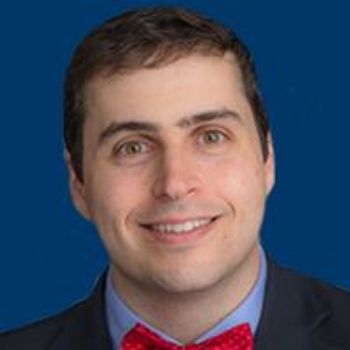
David A. Braun, MD, PhD, discusses the potential for protein glycosylation as a biomarker to predict nivolumab/cabozantinib responses in advanced RCC.
David A. Braun, MD, PhD, discusses the potential for protein glycosylation as a biomarker to predict nivolumab/cabozantinib responses in advanced RCC.
The FDA has approved obecabtagene autoleucel for relapsed/ refractory B-cell precursor acute lymphoblastic leukemia.
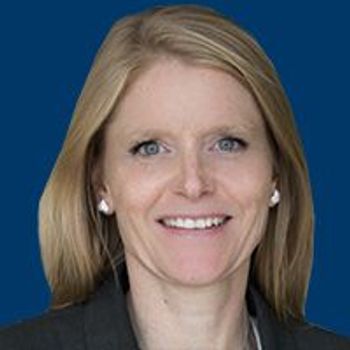
Overall survival findings from the PERLA trial showed continued success with dostarlimab plus chemotherapy in patients with advanced non–small cell lung cancer.

THIO plus cemiplimab displayed durable activity in patients with advanced checkpoint inhibitor–resistant NSCLC.

Treatment with magrolimab plus docetaxel led to peripheral CD47 saturation in patients with advanced NSCLC, which correlated with improved outcomes.
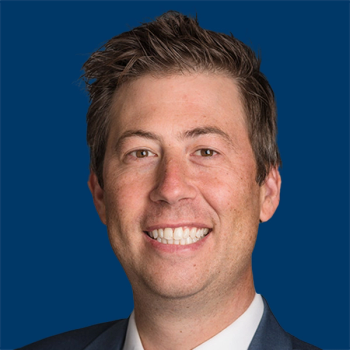
Co-formulated vibostolimab and pembrolizumab plus chemotherapy failed to improve OS in the first line vs atezolizumab plus chemotherapy in ES-SCLC.
The biomarker analysis of patients enrolled on part B of the CheckMate 914 trial explored the effects of PD-L1 and KIM-1 expression.
Preclinical data suggest that DLL3-TOPAbody has antitumor activity and could provide a survival advantage in DLL3-expressing tumor cells, including SCLC.
A new drug application has been submitted to the FDA for sunvozertinib in pretreated EGFR exon 20–positive advanced non–small cell lung cancer.
Applications have been submitted to the FDA and EMA seeking approval for daratumumab in high-risk smoldering multiple myeloma.

Fox Chase Cancer Center is pleased to announce the hiring of Lorenzo Galluzzi, PhD, as an Associate Professor with tenure in the Cancer Signaling and Microenvironment Research Program.
A phase 1 trial is examining the use of mesenchymal stromal cells for treatment of radiation-induced xerostomia in patients who have completed radiation.
The Immune Profile Score algorithmic test is now available for clinical use as a prognostic tool for immune checkpoint inhibitors in solid tumors.

DK210 (EGFR) showed evidence of wild-type IL-2 signaling, CRS mitigation, and immune response signaling in patients with solid tumors.
Siglec-15 was expressed in tumor cells and tumor-associated macrophages in tissue samples from non–small cell lung cancer and other solid tumors.
Radiomic biomarkers can predict treatment response through assessments of tumor growth in patients with metastatic uveal melanoma treated with roginolisib.
The Nectin-4/CD137 Bicycle–targeted immune cell agonist BT7480 had antitumor activity in patients with Nectin-4– and CD137-expressing tumors.
A new study has found a surprising link between high levels of methylmalonic acid and the weakening of CD8+ T cells, shedding light on potential pathways through which aging may promote lung cancer progression.
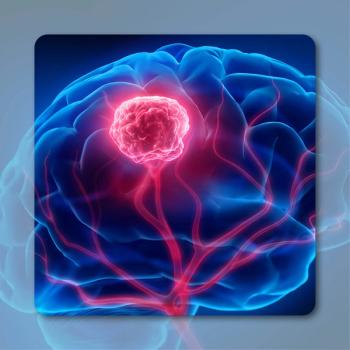
The FDA has granted orphan drug designation to the herpes simplex virus type 1 oncolytic virus MB-108 for the management of malignant glioma.
Updated interim data show high complete responses and tolerability with padeliporfin VTP in low-grade upper tract urothelial cancer.
Kari Wisinski, MD, discusses factors that influence her decision between CDK4/6 inhibitors for patients with treatment-naive, HR+ metastatic breast cancer.

Janaki Neela Sharma, MD, discusses the road to FDA approval for enfortumab vedotin plus pembrolizumab in locally advanced or metastatic urothelial cancer.
Brian A. Van Tine, MD, PhD, and David S. Hong, MD, discuss the MAGEA4 pathway and the FDA approval of afami-cel in synovial sarcoma.
Angela Hirbe, MD, PhD, discusses the potential significance of MEK inhibitors such as mirdametinib for adult and pediatric patients with NF1-PN.

Christina S. Baik, MD, MS, discusses the types of HER2 testing that should be performed in NSCLC and the design of the phase 3 Beamion LUNG-2 trial.
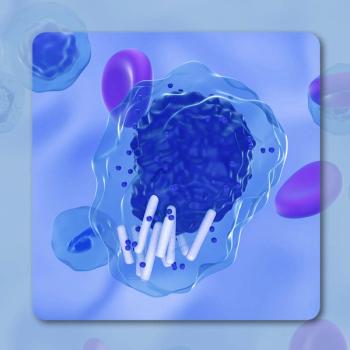
NICE issued a final guidance recommending reimbursement of avapritinib monotherapy in adult patients with ASM, SM-AHN, or mast cell leukemia.

Julia “Julie” Borrelli has been appointed chair of the Abramson Cancer Center Director's Leadership Council.
MI Cancer Seek has been granted FDA approval as a companion diagnostic for patients with cancer who may benefit from targeted therapy.
The FDA has granted orphan drug designation to LBL-034 for the treatment of patients with multiple myeloma.
Matthew Cortese, MD, MPH, details 2024/2025 updates to the NCCN guidelines for CLL/SLL and treatments to look forward to in the future.