

MRT-2359 had acceptable tolerability with a favorable pharmacokinetic and pharmacodynamic profile in heavily pretreated patients with MYC-driven solid tumors, including lung cancer and high-grade neuroendocrine cancer.
MRT-2359 had acceptable tolerability with a favorable pharmacokinetic and pharmacodynamic profile in heavily pretreated patients with MYC-driven solid tumors, including lung cancer and high-grade neuroendocrine cancer.

A supplemental biologics license application seeking the approval of amivantamab in combination with platinum-based chemotherapy for the treatment of patients with locally advanced or metastatic non–small cell lung cancer harboring EGFR exon 19 deletions has been submitted to the FDA.
Patients with relapsed/refractory mantle cell lymphoma have experienced event-free survival and overall survival benefits due to advances in second-line treatment approaches over time.
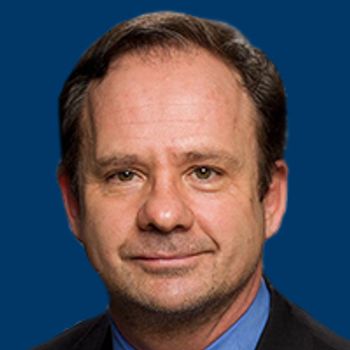
Andre Goy, MD, discusses the agents that are currently available for the treatment of patients with relapsed/refractory mantle cell lymphoma, explains the prevalence of high-risk features in this population, and emphasizes the importance of enrolling patients into clinical trials to move the needle forward.

The addition of bemcentinib to the standard-of-care therapies of pembrolizumab or dabrafenib plus trametinib was well tolerated in patients with metastatic melanoma; however, it did not lead to improvements in overall response rate, progression-free survival, or overall survival vs SOC alone.

The use of the first-in-class, microbiome-derived therapeutic vaccine EO2401 in combination with nivolumab with or without bevacizumab produced clinical activity and was well tolerated in patients with progressive/recurrent glioblastoma.

The European Commission has approved rucaparib as first-line maintenance therapy for patients with advanced ovarian cancer, regardless of BRCA mutation status, who have responded following the completion of frontline platinum-based chemotherapy.

The FDA’s Oncologic Drugs Advisory Committee will meet to review data from the supplemental biologics license application seeking the approval of idecabtagene vicleucel for use in earlier lines of treatment for patients with triple-class exposed relapsed/refractory multiple myeloma.

Initial induction therapy with the immunomodulatory agent lenalidomide plus the anti-CD20 monoclonal antibody rituximab led to prolonged, durable responses with a manageable safety profile in patients with previously untreated mantle cell lymphoma.

Paul Nathan, MBBS, PhD, MRCP, discusses the differences between cutaneous melanoma and uveal melanoma that have led to unique unmet needs for patients with the latter malignancy; updated findings from the IMCgp100-202 trial; and how these findings may influence future clinical practice.

Using a novel proteogenomic strategy and a variety of machine learning tools, investigators from the Icahn School of Medicine at Mount Sinai and colleagues have identified a 64-protein signature that may predict a subset of ovarian cancer patients who are unlikely to respond to chemotherapy.
The HER2-directed CAR-macrophage therapy CT-0508 displayed a tolerable safety profile and signs of antitumor activity in patients with a variety of solid tumors.

Investigators at the Icahn School of Medicine at Mount Sinai have designed an innovative RNA-based strategy to activate dendritic cells—which play a key role in immune response—that eradicated tumors and prevented their recurrence in mouse models of melanoma.
Patients with myelodysplastic syndrome harboring a TP53 mutation experienced a survival benefit with allogeneic hematopoietic cell transplantation compared with non-HCT treatment regardless of TP53 allelic status.

The selective CDK9 inhibitor KB-0742 displayed anti-tumor activity and manageable safety as a single agent in heavily pretreated patients with relapsed/refractory, transcriptionally addicted solid tumors, according to data from a phase 1 trial (NCT04718675).

Ben Creelan, MD, discusses several of the methods evaluating cellular therapies currently in the works across the non–small cell lung cancer field.
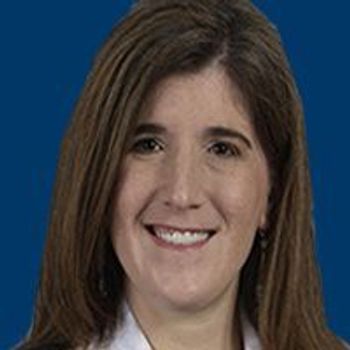
The emerging CDH6-directed antibody-drug conjugate raludotatug deruxtecan had a manageable safety profile, generated pharmacokinetic activity, and produced early evidence of clinical response in patients with heavily pretreated, platinum-resistant ovarian cancer.

Interrupting combination treatment with axitinib and avelumab and switching to avelumab maintenance after a response at 36 weeks led to a decrease in treatment-related toxicities and delayed tumor progression in previously untreated patients with metastatic clear cell renal cell carcinoma.

The European Commission has granted marketing authorization to the combination of zanubrutinib and obinutuzumab for the treatment of adult patients with relapsed/refractory follicular lymphoma following at least 2 prior lines of systemic therapy.
Press Release
The Mount Sinai Medical Legal Partnership, which provides legal aid to Mount Sinai Health System patients in need, has launched a clinic to help breast cancer patients navigate legal issues that arise due to their diagnoses.

John Lindsay Marshall, MD, sheds light on the significance of the FDA approval of fruquintinib for patients with heavily pretreated metastatic colorectal cancer and discusses the efficacy and safety data from the FRESCO and FRESCO-2 trials that supported the decision in this population.
The FDA has approved enzalutamide for the treatment of patients with nonmetastatic castration-sensitive prostate cancer with biochemical recurrence at high risk for metastasis.
The FDA has approved capivasertib plus fulvestrant for the treatment of patients with HR-positive, HER2-negative, locally advanced or metastatic breast cancer harboring 1 or more PIK3CA, AKT1, or PTEN alterations, following progression on at least 1 endocrine-based regimen in the metastatic setting or recurrence on or within 12 months of completing adjuvant therapy.

Gaby Hobbs, MD, discusses how research into the biology of myelofibrosis has propelled the development of novel therapies for this patient population and highlights the role that biomarkers play in the diagnosis, prognosis, and treatment response evaluation for these patients.

The use of olaparib as a monotherapy or in combination with cediranib did not provide a statistically significance overall survival benefit compared with standard-of-care platinum-based chemotherapy in patients with recurrent, platinum-sensitive ovarian cancer.

Masofaniten administered in combination with enzalutamide (Xtandi) was tolerable, pharmacokinetically active, and led to a decrease in prostate-specific antigen levels at the recommended phase 2 dose in patients with metastatic castration-resistant prostate cancer.
The FDA has approved pembrolizumab in combination with fluoropyrimidine- and platinum-containing chemotherapy for the first-line treatment of adult patients with locally advanced unresectable or metastatic, HER2-negative gastric or gastroesophageal junction adenocarcinoma.

A drug that simultaneously strikes cancer cells' growth circuits and pipeline to the bloodstream produced encouraging results in a clinical trial involving patients with advanced neuroendocrine tumors, according to a study led by Dana-Farber Cancer Institute investigators.

China’s National Medical Products Administration has granted conditional marketing approval to vebreltinib for the treatment of patients with non–small cell lung cancer harboring MET exon 14 skipping mutations.
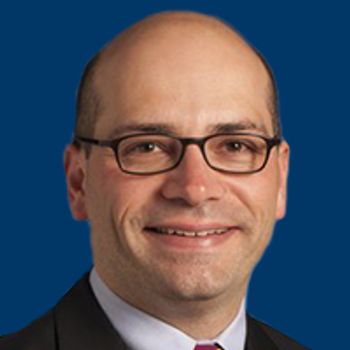
The addition of tivumecirnon to pembrolizumab was safe, well-tolerated, and clinically active vs the historical activity of pembrolizumab monotherapy in patients with checkpoint inhibitor–naive non–small cell lung cancer.