

Choosing the most effective TKIs for individual patients with chronic myeloid leukemia requires decision making based on efficacy data, agent safety profiles, and patient characteristics, according to Michael Deininger, MD.
Choosing the most effective TKIs for individual patients with chronic myeloid leukemia requires decision making based on efficacy data, agent safety profiles, and patient characteristics, according to Michael Deininger, MD.

The phase 2 ACTION trial, which evaluated the safety of second-line cabozantinib in patients with hepatocellular carcinoma who were intolerant to first-line sorafenib or who received agents other than sorafenib in the first line, did not meet its safety futility criteria, allowing the trial to continue.

The Committee for Medicinal Products for Human Use has recommended the approval of quizartinib in the European Union for use in combination with standard cytarabine and anthracycline induction and cytarabine consolidation chemotherapy, followed by maintenance quizartinib, for adult patients with newly diagnosed, FLT3-ITD–positive acute myeloid leukemia.

The FDA has approved momelotinib (Ojjaara) for the treatment of adult patients with intermediate or high-risk myelofibrosis, including primary myelofibrosis or secondary myelofibrosis, and anemia.

Dana-Farber Cancer Institute and Beth Israel Deaconess Medical Center announced plans for a comprehensive new collaboration designed to advance the future of cancer care and build the region’s only independent, free-standing inpatient hospital for adult cancer patients.

The European Medicines Agency’s Committee for Medicinal Products for Human Use has recommended fam-trastuzumab deruxtecan-nxki for use as a single agent in adult patients with HER2-mutated, advanced non–small cell lung cancer who require systemic treatment after platinum-based chemotherapy with or without immunotherapy.
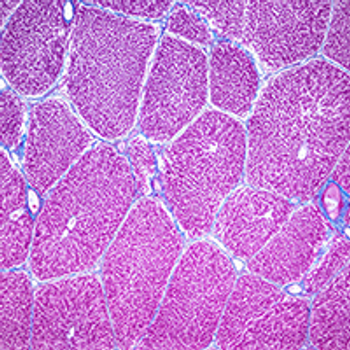
Tissue- and blood-based molecular analysis could help match patients with advanced hepatocellular carcinoma or hepatocholangiocarcinoma following disease progression on frontline atezolizumab and bevacizumab to targeted therapy or another TKI based on identified genomic alterations.

The European Medicines Agency’s Committee for Medicinal Products for Human Use has recommended the approval of pembrolizumab as adjuvant treatment for adult patients with non–small cell lung cancer who are at high risk of recurrence following complete resection and platinum-based chemotherapy.

The FDA has extended the priority review period for the biologics license application seeking the approval of the tumor infiltrating lymphocyte therapy lifileucel for the treatment of patients with advanced melanoma who progressed on or after anti–PD-1/PD-L1 therapy and targeted therapy.

Stephanie L. Graff, MD, expands on treatment options available for patients with premenopausal breast cancer who are trying to conceive, highlighting the POSITIVE trial in women with endocrine-responsive breast cancer.

The use of an immuno-oncology regimen as systemic therapy was found to be an independent prognostic factor and was associated with improved long-term survival for patients with hepatocellular carcinoma, regardless of IO’s sequencing in the first and later lines of treatment.

The European Medicines Agency’s Committee for Medicinal Products for Human Use has adopted a positive opinion regarding a Type II variation application to extend the therapeutic indication of melphalan flufenamide for use in adult patients with multiple myeloma who have received at least 2 prior lines of treatment and whose disease is refractory to lenalidomide and the last line of therapy.

Press Release
Florida Cancer Specialists & Research Institute, LLC is pleased to announce that Central Florida Cancer Care Center/Radiation Oncology Consultants, PA has joined the statewide practice.
The FDA has approved temozolomide (Temodar) for the adjuvant treatment of adult patients with newly diagnosed anaplastic astrocytoma. Under Project Renewal, the regulatory agency has also revised indications for the treatment of patients with refractory anaplastic astrocytoma.

J. Randolph Hecht, MD, discusses the challenges researchers have faced in the development of cellular therapy for patients with solid tumors, and details how A2B530 could potentially overcome some of these obstacles.

The National Institute for Health and Care Excellence has published its Final Draft Guidance recommending the use of ruxolitinib as treatment for eligible patients in England and Wales with polycythemia vera that is resistant or intolerant to hydroxycarbamide/hydroxyurea.
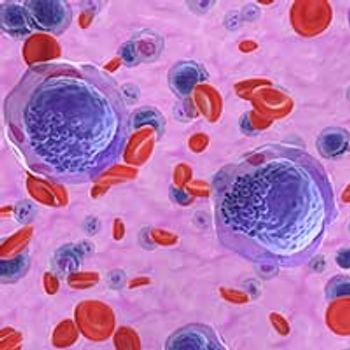
The Center for Drug Evaluation of China’s National Medical Products Administration has accepted the new drug application seeking the approval of golidocitinib for the treatment of patients with relapsed/refractory peripheral T-cell lymphoma.

Brad S. Kahl, MD, discusses the evolving role of BTK inhibitors in the treatment of patients with mantle cell lymphoma, expands on key ongoing trials investigating these agents in earlier settings and in different combinations, and expands on what the addition of pirtobrutinib to the treatment arsenal has meant for this population.

Anna Minchom, MB BCh, MRCP, MD, discusses the need to develop an amivantamab administration method that decreases the likelihood of infusion-related reactions in patients with solid tumors, revealed the RP2D of subcutaneous amivantamab that was determined in the PALOMA trial, and emphasized potential future directions with this agent.

Yara Abdou, MD, discusses key updates in breast cancer research, including paradigm shifts on the horizon for trastuzumab deruxtecan, key data regarding capivasertib in the hormone receptor–positive, HER2-negative setting, and the importance of weighing the efficacy benefits of these agents with the risks for serious associated toxicities.
The FDA has granted fast track designation to tulmimetostat for use as a potential therapeutic option in patients with advanced, recurrent, or metastatic endometrial cancer harboring ARID1A mutations and whose disease had progressed on at least 1 prior line of therapy.

The integration of novel mRNA biomarkers into the ColoAlert® screening test resulted in high sensitivity and specificity for colorectal cancer.

Patient preferences should be considered when selecting the optimal treatment regimen for patients with relapsed/refractory follicular lymphoma, as both CD19-directed CAR T-cell therapies and CD20-targeted bispecific antibodies can be efficacious in this population, according to a presentation by Caron A. Jacobson, MD, MMSc, at the 2023 SOHO Annual Meeting.

Press Release
Anna Liza Rodriguez, MSN, MHA, RN, OCN, NEA-BC, Chief Nursing Officer at Fox Chase Cancer Center, is a finalist in the Nursing Administration – Executive/CNO category for the 2023 Nightingale Awards of Pennsylvania, which recognize nursing excellence in the state.

Neoadjuvant treatment with the combination of nivolumab and ipilimumab led to responses and was well tolerated in patients with resectable hepatocellular carcinoma.

The European Medicines Agency has validated its Type II variation for enzalutamide as an option in patients with nonmetastatic hormone-sensitive prostate cancer at high risk of biochemical recurrence who are not suitable for salvage radiotherapy.

The Safety Monitoring Committee determined that prespecified criteria for pathologic complete response were met with the use of the PD-1 inhibitor tislelizumab alone or in combination with APL-1202 as neoadjuvant therapy in patients with muscle invasive bladder cancer.

The addition of the PD-L1 inhibitor atezolizumab to bevacizumab and platinum-based chemotherapy did not result in a statistically significant progression-free survival benefit among patients with recurrent epithelial ovarian cancer.

Sophia Rose O’Brien, MD, discusses the optimal uses for FDG PET/CT and FES PET/CT in patients with metastatic breast cancer; limitations of these imaging modalities to consider, particularly in patients with estrogen receptor-positive disease; and the potential advantages of using FDG assessment in patients with oligometastatic disease.

Efforts to widen the treatment armamentarium for patients with mantle cell lymphoma have been thwarted by increased toxicities and resistance mechanisms with effective therapies such as BTK inhibitors.