
The FDA has approved the first rituximab biosimilar, CT-P10, for the treatment of adult patients with CD20-positive, B-cell non-Hodgkin lymphoma as a single agent or in combination with chemotherapy.
The FDA has approved the first rituximab biosimilar, CT-P10, for the treatment of adult patients with CD20-positive, B-cell non-Hodgkin lymphoma as a single agent or in combination with chemotherapy.

Deepa S. Subramaniam, MBBS, MSc, discusses the complex and evolving treatment paradigm of BRAF- and ROS1-driven non–small cell lung cancer.

Amer Karam, MD, discussed surgical options for patients with advanced-stage ovarian cancer and the emergence of neoadjuvant chemotherapy.

The European Commission has granted approval to the biosimilar Ziextenzo, a biosimilar for pegfilgrastim, as a treatment to reduce the duration of neutropenia and incidence of febrile neutropenia that is associated with anticancer chemotherapy.
Stephen Oh, MD, PhD, discusses the use of ruxolitinib in patients with myelofibrosis and polycythemia vera, and emerging agents and next steps in the field of myeloproliferative neoplasms.

Ruth O’Regan, MD, discusses the current landscape of hormone receptor–positive breast cancer and the unanswered questions that still need to be addressed.
The European Commission has approved brigatinib (Alunbrig) for the treatment of adult patients with ALK-positive non–small cell lung cancer who were previously treated with crizotinib (Xalkori).
Mary Jo Fidler, MD, discusses the latest developments in the treatment of patients with ALK-positive lung cancer.

Oliver Dorigo, MD, PhD, discusses the promise of immunotherapy in ovarian cancer.

The combination of nivolumab (Opdivo) and ipilimumab (Yervoy) did not improve overall survival versus placebo as a maintenance therapy for patients with extensive-stage small cell lung cancer without disease progression following frontline platinum-based chemotherapy.
The FDA has approved larotrectinib for the treatment of adult and pediatric patients with locally advanced or metastatic solid tumors with an NTRK gene fusion.
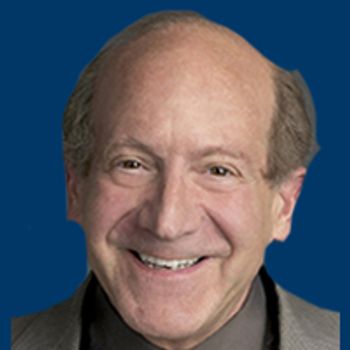
Jonathan S. Berek, MD, MMS, outlines the changing paradigm of ovarian cancer.
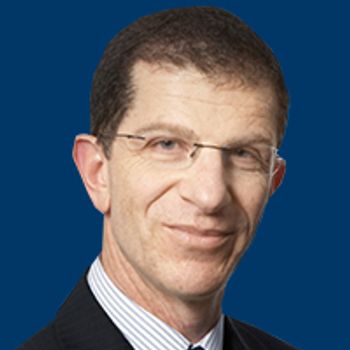
Danny Rischin, MD, discusses the potential of cemiplimab in patients with cervical cancer.

The treatment options for women with hormone receptor (HR)–positive metastatic breast cancer have evolved rapidly in the past decade, with the introduction of the CDK4 and CDK6 inhibitors representing a major advance.

Fabrice Andre, MD, PhD, discusses the SOLAR-1 findings and their impact on the breast cancer landscape.

Barbara A. Burtness, MD, discusses the impact that the KEYNOTE-048 data could have on the treatment of patients with head and neck squamous cell carcinoma.

Thomas Hensing, MD, discusses the emergence of immunotherapy in the stage III non–small cell lung cancer armamentarium, and questions that must be answered to build on this initial success.
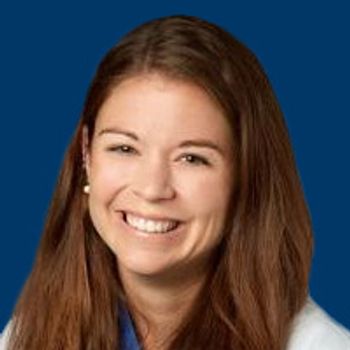
Elisabeth Diver, MD, discusses ongoing advances with PARP inhibitors in ovarian cancer.
The FDA has granted a priority review designation to a new drug application for quizartinib for the treatment of adult patients with relapsed/refractory FLT3-ITD–positive acute myeloid leukemia.
The FDA has approved glasdegib for use in combination with low-dose cytarabine for the treatment of patients with newly-diagnosed acute myeloid leukemia who are aged 75 years or older or who are ineligible for intensive chemotherapy.
The FDA has granted an accelerated approval to venetoclax for use in combination with azacitidine or decitabine or low-dose cytarabine for the treatment of adult patients with newly-diagnosed acute myeloid leukemia (AML) who are aged 75 years or older, or who have comorbidities that preclude use of intensive induction chemotherapy.

Scott T. Tagawa, MD, discusses an emerging treatment modality for patients with progressive metastatic castration-resistant prostate cancer.

Geoffrey Uy, MD, discusses the impact of targeted therapies on the treatment of patients with newly diagnosed acute myeloid leukemia.
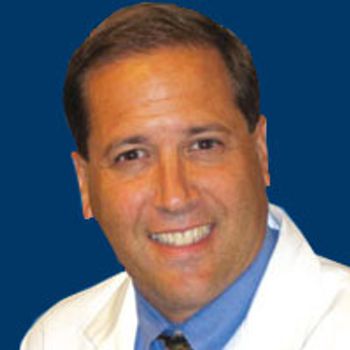
Adam M. Brufsky, MD, PhD, highlights novel treatment approaches being explored in the triple-negative breast cancer space.
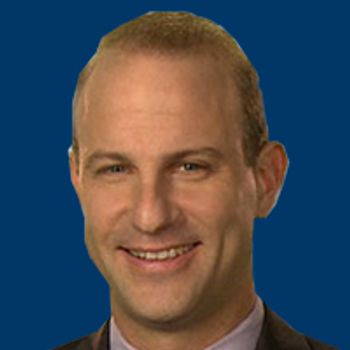
Benjamin P. Levy, MD, discusses optimal strategies for molecular interrogation of non–small cell lung cancer.
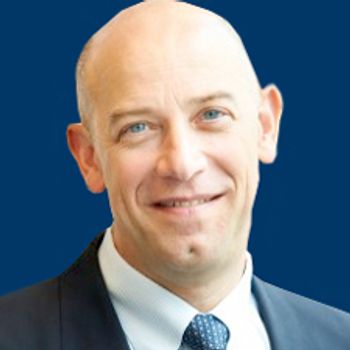
Charles M. Rudin, MD, PhD, reflects on the latest developments in small cell lung cancer.
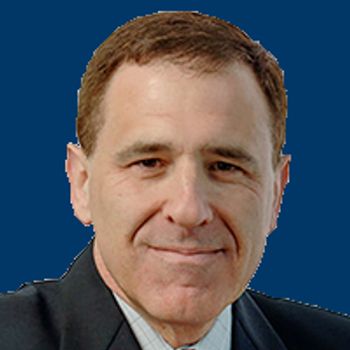
Lawrence E. Feldman, MD, discusses exciting new data surrounding immunotherapy combinations in lung cancer.

Higher survival rates were observed with radical prostatectomy and adjuvant radiotherapy compared with radiotherapy and androgen deprivation therapy in men with locally advanced prostate cancer.
Jonathon B. Cohen, MD, discusses the evolving landscape of mantle cell lymphoma.
Toni K. Choueiri, MD, discusses the JAVELIN Renal 101 study and where these data fit into the complex treatment paradigm of renal cell carcinoma.