

An ML-NMR analysis associated zanubrutinib with PFS improvements vs ibrutinib or acalabrutinib in relapsed/refractory chronic lymphocytic leukemia.

Your AI-Trained Oncology Knowledge Connection!
An ML-NMR analysis associated zanubrutinib with PFS improvements vs ibrutinib or acalabrutinib in relapsed/refractory chronic lymphocytic leukemia.
The FDA accepted an NDA for iberdomide plus daratumumab/dexamethasone in relapsed/refractory multiple myeloma, supported by MRD benefit in EXCALIBER-RRMM.

Topline data from cohort 3 of BREAKWATER showed improvements in key secondary end points of PFS and OS in previously treated, BRAF V600E–mutant mCRC.

An NDA for tirabrutinib in relapsed or refractory primary central nervous system lymphoma has been accepted for review by the FDA.

At The University of Texas MD Anderson Cancer Center, research breakthroughs are made through collaboration between leading clinicians and scientists.

The FDA approved a monthly dosing schedule of amivantamab and hyaluronidase for the first-line treatment of patients with EGFR-mutated, advanced NSCLC.
Real-world data suggest CD20 bispecific antibodies show activity after CD19 CAR T in mantle cell lymphoma, though durability of response remains unclear.

Dana-Farber Cancer Institute will host the Fifth Transatlantic Exchange in Oncology, bringing together leading cancer researchers and clinicians.

Improved EFS was seen when selpercatinib was administered as adjuvant therapy vs placebo in early-stage RET fusion–positive NSCLC.
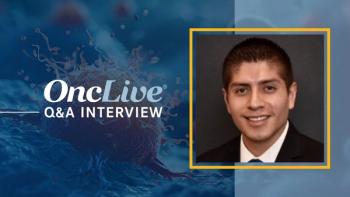
Alfonso Molina, MD, MPH, discusses a phase 1 trial evaluating Orca-T with allogeneic CAR T-cell therapy in high-risk B-cell acute lymphoblastic leukemia.

The top 5 OncLive TV videos of the week cover insights in kidney cancer, myeloproliferative neoplasms, breast cancer, systemic mastocytosis, and pancreatic cancer.
The FDA approves pembrolizumab regimen in select ovarian cancer, the agency clears Optune Pax for pancreatic cancer, and more this week.
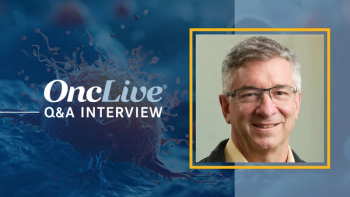
David Rimm, MD, PhD, discusses whether ADCs should be considered similar to targeted therapy, or whether this class of agents is more akin to chemotherapy.

Experts weigh in on combination approaches and how evolving first-line therapy affects second-line sequencing strategies in advanced EGFR-mutant NSCLC.

A group of researchers from the University of Miami sought to understand why many clinical trials in head and neck cancers fail.

Benjamin A. Weinberg, MD, FACP, discusses the specific therapeutic goals and challenges of third-line metastatic colorectal cancer management.

Research showed that an oncolytic virus could prolong survival in patients with glioblastoma.

Bladder cancer experts share the most anticipated abstracts expected at the 2026 Genitourinary Cancers Symposium.

Deepti Radia, MBBS, BSc, MRCPI, FRCPath, MSc Med Ed, discusses 4-year data from the PATHFINDER trial of avapritinib in advanced systemic mastocytosis.

Ibrutinib plus bendamustine and rituximab prolonged PFS in patients with previously untreated mantle cell lymphoma who achieved a CR.

Roswell Park Comprehensive Cancer Center highlighted key presentations from its researchers at TCT 2026.
The FDA has issued REMS safety updates regarding the use of the denosumab biosimilars Enoby and Ospomyv for patients with breast and prostate cancers.
The portable, noninvasive device has been approved for concomitant use with gemcitabine and nab-paclitaxel in locally advanced pancreatic cancer.
OncLive heard from experts across oncology specialties about the biggest updates from the 2026 Transplantation and Cellular Therapy Meetings.

Experts preview key prostate cancer abstracts to watch at the 2026 Genitourinary Cancers Symposium.
Ibrutinib plus venetoclax yielded sustained complete response rates and a favorable safety profile in relapsed/refractory mantle cell lymphoma.
Real-world data showed that adding PD-1 inhibitors to induction chemotherapy extended OS and PFS vs chemotherapy alone in frontline HNSCC.

Patients with mucosal HNSCC deemed unsuitable for curative-intent CRT achieved a 12-month in-field LRC of 80% with high-dose palliative radiation therapy.
Orca-Q produced to high engraftment rates and promising survival outcomes in high-risk hematologic malignancies with haploidentical donors.

The FDA approved the PD-L1 IHC 22C3 pharmDx as a companion diagnostic for patients with PD-L1–positive ovarian cancer who could receive pembrolizumab.