

Enfortumab vedotin plus pembrolizumab improved survival vs chemotherapy with no QOL detriment in previously untreated metastatic urothelial cancer.

Your AI-Trained Oncology Knowledge Connection!
Enfortumab vedotin plus pembrolizumab improved survival vs chemotherapy with no QOL detriment in previously untreated metastatic urothelial cancer.

Fox Chase Cancer Center is pleased to announce the hiring of Michelle Pedersen, DO, as a hospitalist and Assistant Professor in the Division of Hospital Medicine within the Department of Medicine.

Deltacel generated early signals of clinical efficacy in patients with metastatic non–small cell lung cancer who have not responded to standard therapies.

Michael R. Grunwald, MD, discusses findings from a real-world observational study of risk factors related to disease progression in polycythemia vera.
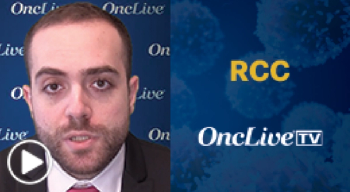
Marc Machaalani, MD, discusses the rationale for examining AXL and its interaction with c-Met in renal cell carcinoma.

R. Lor Randall, MD, FACS, details findings from a genetic and epigenetic study showing 5 sarcoma subtypes had EZH2 activity and a shared epigenetic profile.

Michael R. Grunwald, MD, discusses findings from a real-world study of risk factors related to disease progression in polycythemia vera.

Orelabrutinib in combination with lenalidomide and rituximab was safe and active in treatment-naive mantle cell lymphoma.
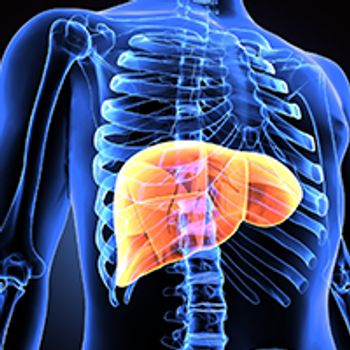
CIRT plus durvalumab and tremelimumab was safe in patients with advanced hepatocellular carcinoma with macrovascular invasion.

Olomorasib plus pembrolizumab demonstrated responses in first-line metastatic KRAS G12C–mutant non–small cell lung cancer.

Pacritinib was tolerable with a reasonable safety profile in patients with solid tumors harboring 1q21.3 copy number amplifications.

The Colorado School of Public Health announces the launch of WeCanWork, a program to provide support to cancer patients as they balance work and treatment.

Isatuximab plus VRd induction improved progression-free survival in transplant-eligible, newly diagnosed multiple myeloma.

The KeyVibe-008 trial evaluating vibostolimab, pembrolizumab, and chemotherapy in extensive-stage small cell lung cancer has been discontinued.


Sarah Sammons, MD, describes how she treats patients with HR-positive, HER2-negative metastatic breast cancer who progressed on prior CDK4/6 inhibitors.
The FDA has approved denileukin diftitox-cxdl for relapsed/refractory cutaneous T-cell lymphoma after at least 1 prior systemic therapy.

Kashul Parikh, MBBS, discusses research efforts dedicated to leveraging antibody-drug conjugates with varying targets in lung cancer.

Tilak Sundaresan, MD, and Nicole S. Evans, MD, discuss common reasons for nontreatment among patients with pancreatic cancer.

Fred R. Hirsch, MD, PhD, discusses the role of molecular testing in non–small cell lung cancer.

Sara M. Tolaney, MD, MPH, discusses the use of ADCs in HER2-positive breast cancer and ongoing research in this patient population.

The Guardant Reveal test was accurate in predicting disease recurrence in stage II or higher colorectal cancer.

Bite-on-bite biopsies and endoscopic ultrasonography with fine needle aspiration were accurate in detecting MRD after neoadjuvant chemoradiotherapy in ESCC.

Edward Chouchani, PhD, of Dana-Farber Cancer Institute, has been named a Howard Hughes Medical Institute Investigator.

The combination of ibrutinib, lenalidomide, and rituximab elicited a high response rate in patients with relapsed/refractory mantle cell lymphoma.

East Asian patients with RET fusion-positive NSCLC experienced a PFS benefit when treated with selpercatinib vs chemotherapy with/without pembrolizumab.

A study from Temple University and Fox Chase Cancer Center shows how protein phosphatases target proteins and regulate cell cycle progression.
The FDA has approved vorasidenib for grade 2 astrocytoma or oligodendroglioma with a susceptible IDH1 or IDH2 mutation.
The FDA cleared the SeCore CDx HLA A Sequencing System as a companion diagnostic for afamitresgene autoleucel in advanced synovial sarcoma.

Radiotherapy was non-inferior vs chemoradiotherapy in patients with nasopharyngeal carcinoma, and less toxicity was observed with radiotherapy alone.