

The CD7-targeted CAR T-cell therapy WU-CART-007 had a manageable safety profile and elicited preliminary efficacy signals in relapsed/refractory T-ALL/LBL.

Your AI-Trained Oncology Knowledge Connection!
The CD7-targeted CAR T-cell therapy WU-CART-007 had a manageable safety profile and elicited preliminary efficacy signals in relapsed/refractory T-ALL/LBL.

Time from diagnosis, elevated WBC count, and VAF were all significantly associated with an increased risk of disease progression of polycythemia vera.

Over a 4-year period, most patients with lower-risk myelofibrosis experienced disease progression, according to the prospective MOST study.

Clinically meaningful activity was found across all subgroups in a posthoc subgroup analysis of patients with MCL treated with liso-cel.

Zanubrutinib/venetoclax elicited a 100% overall response rate in untreated chronic lymphocytic leukemia harboring 17p deletions or TP53 mutations.
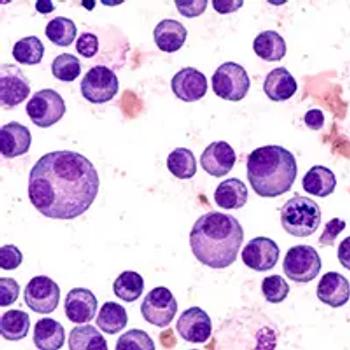
Ide-cel induced improved PFS outcomes in patients with relapsed/refractory multiple myeloma with characteristics including lower tumor burden.

Marie Hu, MD, discusses considerations for the use of CAR T-cell therapy and bispecific antibodies in relapsed/refractory diffuse large B-cell lymphoma.
Luspatercept elicited superior erythroid response rates and duration of RBC transfusion independence compared with epoetin alfa in lower-risk MDS.
Minoo Battiwalla, MD, MS, discusses the impact of earlier-line FDA approvals for CAR T-cell therapies on treatment outcomes in multiple myeloma.

VK Gadi, MD, PhD, discusses findings from the DESTINY-Breast06 trial and the implications for hormone receptor–positive, HER2-low metastatic breast cancer.
The FDA granted accelerated approval to repotrectinib (Augtyro) for select patients with solid tumors harboring a NTRK gene fusion.

The FDA granted fast track designation to IBI343 monotherapy for relapsed/refractory advanced unresectable or metastatic pancreatic ductal adenocarcinoma.

Venetoclax plus obinutuzumab with or without ibrutinib significantly improved PFS vs chemoimmunotherapy and vs venetoclax plus rituximab in frontline CLL.

Eric Vallieres, MD, FRCSC, discusses the evolving role of surgery in lung cancer treatment following the implementation of new neoadjuvant and adjuvant treatments.
The FDA granted full approval to selpercatinib for select patients with advanced or metastatic RET fusion–positive thyroid cancer.

Decreases in variant allele frequency in ctDNA were linked to improved CBR with imlunestrant in estrogen receptor–positive, HER2-negative breast cancer
A case study details the importance of genomic testing in identifying cancer and guiding targeted treatment decisions that enhance overall survival.
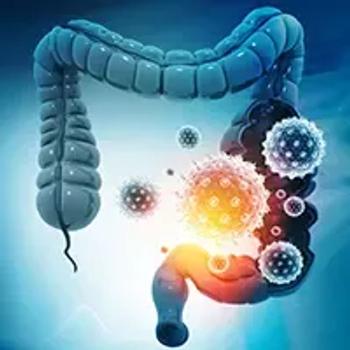
Next generation capecitabine led to positive preliminary efficacy results in patients with stage III or IV gastrointestinal tract cancer.
Eric Winer, MD, discusses the safety and efficacy outcomes of the TakeAim Leukemia trial and future research with emavusertib in combination therapies.

Versamune HPV in combination with pembrolizumab produced a durable median overall survival in patients with recurrent or metastatic HPV16-positive HNSCC.
Frontline toripalimab plus bevacizumab improved progression-free survival and overall survival vs sorafenib in patients with advanced hepatocellular carcinoma.

Hypofractionation radiotherapy was noninferior to conventional fractionation radiotherapy for the treatment of patients with low-risk prostate cancer.

Talquetamab proved safe and effective for relapsed/refractory myeloma, even in patients with comorbidities.

Clinical benefit generated from treatment with lurbinectedin plus irinotecan was noted across sensitive and resistant patient populations with SCLC.

Kathleen A. Dorritie, MD, discusses long-term data from trials in chronic lymphocytic leukemia presented at the 2023 ASH Annual Meeting.
The strength of mKRAS-specific T-cell responses produced by ELI-002 7P correlated with tumor biomarker responses in pancreatic and colorectal cancer.

Arndt Vogel, MD, discusses the updated OS analysis of CARES-310, as well as future directions for rivoceranib plus camrelizumab in unresectable HCC.

A study from researchers at Temple University Hospital and Fox Chase Cancer Center found that adjuvant therapy may be underutilized in T2N0 rectal cancer.

UV1 added to pembrolizumab elicited sustained OS outcomes as frontline therapy in advanced, unresectable, or metastatic malignant melanoma.

Benjamin L. Maughan, MD, PharmD, highlights ongoing research regarding the role of cytoreductive nephrectomy and targeted therapies in RCC.