

SNB-101 has received FDA fast track designation for potential use in patients with small cell lung cancer.

Your AI-Trained Oncology Knowledge Connection!
SNB-101 has received FDA fast track designation for potential use in patients with small cell lung cancer.

First-line treatment with the combination of Versamune HPV and pembrolizumab met a best overall response end point in recurrent/metastatic HNSCC.

During an OncLive Peer Exchange, a panel of expert clinicians in CRC discussed studies seeking to further define the role of MRD testing in CRC.
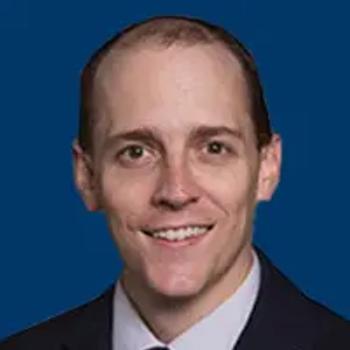
Anthony M. Hunter, MD, discusses the evolution of myelofibrosis treatment beyond JAK inhibitors.

Prolonged administration of imatinib maintenance therapy for 6 years improved disease-free survival in patients with gastrointestinal stromal tumors.

Fuzuloparib with or without apatinib provided superior PFS benefit vs chemotherapy in HER2– metastatic breast cancer harboring germline BRCA1/2 mutations.

Mohamad Mohty, MD, PhD, highlights key takeaways from the 50th Annual EBMT Meeting, focusing on ongoing efforts within the GVHD treatment arena.

Press Release
A Roswell Park-led team uncovers beneficial effects of combining VEGFR-targeting TKIs with checkpoint inhibitors in new research.

Adjuvant treatment with pembrolizumab plus chemotherapy did not improve DFS vs placebo plus chemotherapy in high-risk endometrial cancer.

The T-cell engager CX-904 had a favorable safety profile when administered as monotherapy in patients with advanced or metastatic solid tumors.
The FDA has granted a breakthrough device designation to Teal Wand, an at-home screening test for cervical cancer.

Maurie Markman, MD, expands on the debate regarding the appropriate primary outcome end point for improved clinical benefit in a trial.

Naval G. Daver, MD, highlights ongoing research efforts in relapsed/refractory AML, including combination regimens and pathways targeted by novel agents.

China's NMPA has granted breakthrough therapy designation to IBI343 for use in select patients with claudin 18.2–positive gastric or GEJ adenocarcinoma.

Cytoreductive therapy with rIFNα or hydroxyurea is safe and well tolerated in patients with polycythemia vera under the age of 60 years.

The FDA has granted orphan drug designation to 9MW2821 as a potential treatment for patients with esophageal cancer.

R. Wendel Naumann, MD, highlights endometrial cancer case studies and how they represent changes in this treatment paradigm.

Experts from the University of Wisconsin Health discuss ongoing barriers to equitable cancer care and ways to drive change.

Emil Lou, MD, PhD, FACP, discusses the predictive and prognostic use of tumor stroma proportion for outcomes and chemoresistance in ovarian cancer.

Health Canada has approved an sNDA for goserelin acetate 10.8 mg every 12 weeks for ER-positive early breast cancer with a high risk of recurrence or advanced breast cancer.

Fox Chase Researchers Examine Alternative Methods of Specialized Imaging Scans for Kidney Masses

Vaidehi Mujumdar, MD, discusses updates in ovarian cancer for 2024 World Ovarian Cancer Day.
R. Wendel Naumann, MD, discusses 2 case studies in platinum-resistant ovarian cancer and the optimal treatment approaches for each patient.

Patients with CLL/SLL who received second-line venetoclax experienced monthly cost savings compared with those who received a second-line BTK inhibitor.

Amandeep Salhotra, MD, discusses the feasibility and safety of Orca-T graft in patients undergoing allogeneic transplant for hematologic malignancies.

Brandon Mahal, MD, of Sylvester Comprehensive Cancer Center, was commissioned to write a collaborative article on prostate cancer for The Lancet.

Setanaxib plus pembrolizumab improved progression-free survival and overall survival in recurrent or metastatic head and neck squamous cell carcinoma.

The zenocutuzumab BLA for patients with NRG1-positive non–small cell lung cancer and pancreatic cancer has received priority review from the FDA.

Treatment with loncastuximab tesirine yielded high response rates in patients with relapsed or refractory marginal zone lymphoma.
The FDA has approved ColoSense for use as a screening test in adults 45 years of age or older who are at average risk of developing colorectal cancer.