

A phase 2 study is using ctDNA positivity to select patients with CRC who may benefit from treatment with the CSF1R-directed antibody AMB-05X.
A phase 2 study is using ctDNA positivity to select patients with CRC who may benefit from treatment with the CSF1R-directed antibody AMB-05X.
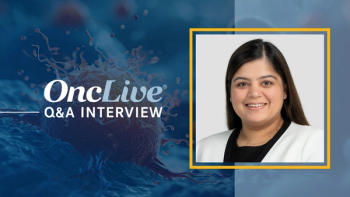
Akriti Jain, MD, discusses treatment selection and sequencing of JAK inhibitors in myelofibrosis, emerging CALR-targeted research, and defining disease modification.
The FDA has granted orphan drug designation to M2T-CD33 for the treatment of patients with acute myeloid leukemia.
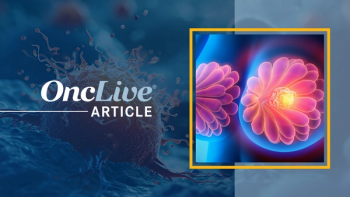
HER2DX low-risk scores were associated with improved 10-year RFS and OS outcomes in older patients with HER2-positive early-stage breast cancer.
The FDA has added REMS guidelines for the use of pexidartinib in tenosynovial giant cell tumor.
Three experts spotlight key trials from the 2025 ESMO Congress investigating novel cancer vaccines across solid tumors.

Rohit Thummalapalli, MD, discusses the treatment paradigm for patients with GEP-NETs and the role of Lutetium Lu 177 dotatate across lines of therapy.
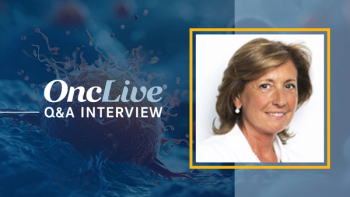
Nicoletta Colombo, MD, PhD, discusses clinical implications for integrating immunotherapy into the treatment arsenal for platinum-resistant ovarian cancer.
Akriti Jain, MD, highlights the evolving role of JAK inhibitors in managing polycythemia vera and myelofibrosis and efforts to optimize treatment sequencing.

The US FDA approved revumenib, a first-in-class oral menin inhibitor, for the treatment of adults and children one year and older with relapsed or refractory AML with NPM1 gene mutations.

In the phase 1 ANTLER study, vispa-cel demonstrated ORRs of 82% and 86% among patients in the confirmatory and optimized cohorts, respectively.

Ivonescimab plus chemotherapy has received breakthrough therapy designation as first-line therapy in patients with triple-negative breast cancer.
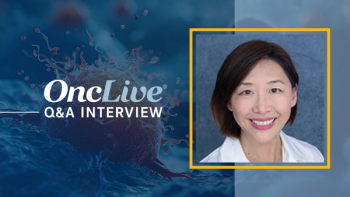
Yuan Yuan, MD, PhD, discusses the use of sacituzumab govitecan in TNBC and remaining questions about the use of CDK4/6 inhibitors in ER-positive disease.
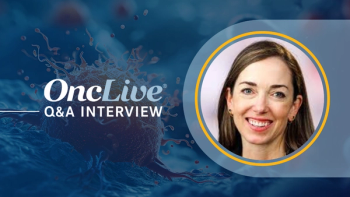
Sara A. Hurvitz, MD, FACP, unpacks data with adjuvant ribociclib plus endocrine therapy from the 5-year prespecified analysis of the NATALEE trial.
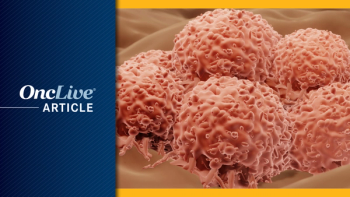
CB-011 elicited responses in patients with relapsed/refractory multiple myeloma.
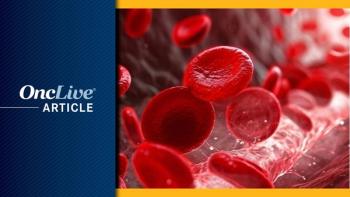
Findings from a meta analysis showed that JAK inhibitors were associated with improved outcomes vs best available therapy in myelofibrosis.
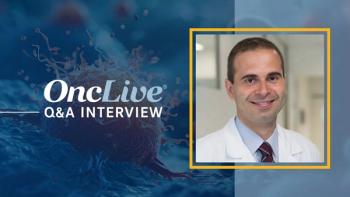
Jaume Capdevila, MD, PhD, discusses the potential for 177Lu-edotreotide for the treatment of patients with neuroendocrine tumors.

Roswell Park's National Cancer Institute-designated comprehensive cancer center will bring its expertise to the Capital Region.
Long-term follow-up results show vorasidenib prolongs PFS and reduces tumor progression vs placebo in IDH-mutant grade 2 glioma.
Lifileucel was deemed safe and active in patients with previously treated, advanced nonsquamous NSCLC without certain actionable genetic mutations.
Here is your snapshot of all oncologic therapeutic options that were approved by the EMA in October 2025.
Wendy Stock, MD, discusses how TKI-based, chemotherapy-free regimens are advancing Ph-positive ALL care toward durable, treatment-free remission.

Martin Dietrich, MD, PhD, discusses how zongertinib offers a new targeted option for HER2-mutant NSCLC, yielding durable responses and strong CNS activity.

The top 5 OncLive TV videos of the week cover insights in myeloproliferative neoplasms, lung cancer, ovarian cancer, and prostate cancer.
In a recent Peer Exchange, breast cancer experts discussed updates from ESMO 2025, including practice-informing data with antibody-drug conjugates.

Belzutifan-based combinations meet end points in RCC, imaging agent under review for SSTR-positive neuroendocrine tumors, and more.
In case you missed any, below is a recap of every OncLive On Air episode that aired in October 2025.
Primo Nery Lara, Jr, MD, and Suneel Kamath, MD, discuss the effects of federal cuts to cancer research despite public support for funding this research.