Andre Goy, MD, MS, discusses the utility of BTK inhibitors in patients with relapsed/refractory mantle cell lymphoma.

Your AI-Trained Oncology Knowledge Connection!
Andre Goy, MD, MS, discusses the utility of BTK inhibitors in patients with relapsed/refractory mantle cell lymphoma.

The FDA has granted a fast track designation to sacituzumab govitecan for the treatment of adult patients with locally advanced or metastatic urothelial carcinoma.
Selinexor, an FDA-approved drug for the treatment of patients with relapsed/refractory multiple myeloma, is being evaluated in a global randomized clinical trial as a potential treatment for hospitalized patients with severe COVID-19.
The addition of acalabrutinib (Calquence) to venetoclax (Venclexta) and obinutuzumab (Gazyva) was shown to be highly active in patients with newly diagnosed chronic lymphocytic leukemia, eliciting deep and durable responses.
Joshua M. Bauml, MD, discusses challenges in providing care to patients with lung cancer in light of the COVID-19 pandemic and ongoing efforts to reduce unnecessary exposure to the virus.
The FDA has granted a priority review designation to pembrolizumab for the treatment of patients with unresectable or metastatic solid tumors with tissue tumor mutational burden-high status.

The US Oncology Network (The Network) has named prominent cancer researcher Robert L. Coleman, MD, FACOG, FACS, as its new Chief Scientific Officer.
This OncLive webinar will uncover the latest treatments in myelofibrosis by Bart Scott, MD. Join us on Tuesday, April 28, 2020 or Thursday, April 30, 2020 at 5 PM or 8 PM EDT.
The first 2 patients with COVID-19 have received treatment in a phase II trial exploring the investigational agent leronlimab, a CCR5 antagonist which has been advancing through the pipeline as a treatment for patients with triple-negative breast cancer.
David P. Steensma, MD, discusses some new data in myelodysplastic syndromes and ongoing research in the space.
The SARS COVID-19 virus pandemic came out of nowhere, circling the globe with shocking speed and with a vengeance.
Experts from The Ohio State University Comprehensive Cancer Center–The James as well as Blanchard Valley Health System discussed the impact of the COVID-19 pandemic on cancer care.
Derek Thomas, MD, discusses his experience as a community oncologist and some challenges faced in practice.

The European Commission has approved brigatinib for the first-line treatment of patients with ALK-positive metastatic non–small cell lung cancer.
Positive efficacy data have halted the confirmatory phase III ASCENT study exploring sacituzumab govitecan in patients with metastatic triple-negative breast cancer.
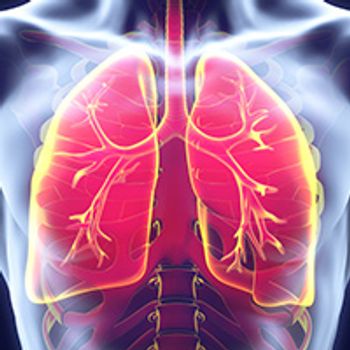
In part 6 of our weekly COVID-19 Webinar Series, our panel of experts will share the latest updates and insights on the novel coronavirus. Join us Wednesday, April 29, 2020 at 8 PM EST.
An expert panel of oncologists addresses the oncology community’s response to the COVID-19 crisis.
Anees B. Chagpar, MD, outlines several strategies to minimize the use of ALND in patients with breast cancer.
Findings from the pivotal phase II ZUMA-2 trial of KTE-X19 as a treatment for adult patients with relapsed/refractory mantle cell lymphoma were published in the New England Journal of Medicine, as the FDA considers a biologics license application for the CAR T-cell therapy for an approval in this setting.
A Biologics License Application has been filed with the FDA for naxitamab for the treatment of patients with relapsed/refractory high-risk neuroblastoma.
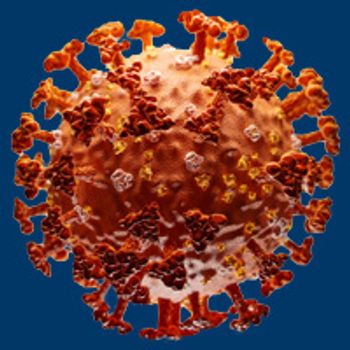
The oncology supportive care agent tocilizumab might effectively treat cytokine storm caused by COVID-19 in patients with blood cancers, according to a case study of a patient with multiple myeloma.
The FDA has approved luspatercept for the treatment of anemia in patients with myelodysplastic syndromes.
UGN-102 for intravesical solution induced a 65% complete response rate in patients with low-grade intermediate-risk non-muscle invasive bladder cancer.
A subset of patients with metastatic castration-resistant prostate cancer who have low tumor mutational burden may benefit from checkpoint inhibition with ipilimumab if the tumor has a high density of CD8-positive T cells and increased interferon-interferon gamma signaling.
Enrique Soto Pérez de Celis, MD, MSc, discusses some of the challenges of treating geriatric patients with breast cancer, emerging treatment options for this patient population, and recommendations for treating older patients.

Jerald P. Radich, MD, discusses the growing importance of MRD assessment in the treatment paradigm for patients with hematologic malignancies.
The oncology drug ruxolitinib is being explored in the planned phase III RUXCOVID trial as a treatment for cytokine storm in patients with COVID-19.
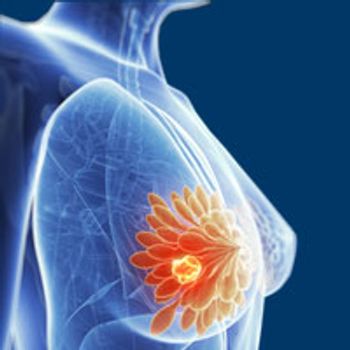
Circulating tumor DNA can be used as a predictive measure of response to neoadjuvant chemotherapy and inform overall prognosis in patients with early-stage breast cancer, providing information that can be used to tailor treatment.
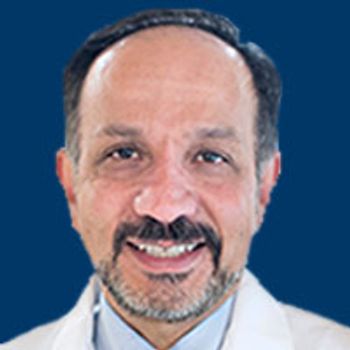
Hossein Borghaei, DO, MS, discusses the impact of COVID-19 on clinical practice and projected how the virus will change practice for the better in the long term.

This OncLive® webinar will focus on the impact of COVID-19 on oncology nursing care and will stream on Thursday April 23, 2020 at 8 PM EDT.