
The FDA granted accelerated approval to zongertinib for pretreated, unresectable or metastatic non–small cell lung cancer harboring HER2 mutations.

Your AI-Trained Oncology Knowledge Connection!
The FDA granted accelerated approval to zongertinib for pretreated, unresectable or metastatic non–small cell lung cancer harboring HER2 mutations.
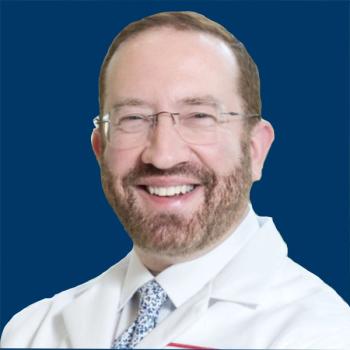
Richard Bleicher, MD, FACS, discusses using a novel method to analyze tumor growth rates.
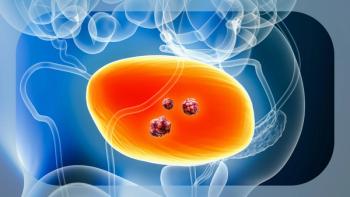
China’s NMPA has accepted the sNDA for first-line toripalimab plus disitamab vedotin in HER2-expressing locally advanced or metastatic urothelial carcinoma.

The FDA granted regenerative medicine advanced therapy designation to GLPG5101 for relapsed/refractory mantle cell lymphoma.
Although chromophobe RCC has an immune-cold environment, ferroptosis induction may be a promising target for managing tumor resistance in this subtype.

Lung cancer experts share upcoming, potentially practice-informing clinical trials that are expected to read out in the second half of 2025.

Alberto Farolfi, MD, PhD, shares results from a real-world study of first-line bevacizumab, pembrolizumab, and platinum chemotherapy in cervical cancer.

Kathleen A. Dorritie, MD, highlights important NCCN guideline updates and research to watch in hematologic malignancies.

Timothy Gershon, MD, PhD, discusses how the FDA approval of mirdametinib will affect the treatment paradigm for adult patients with NF1-associated PNs.

Epcoritamab plus rituximab and lenalidomide met the dual primary end points of the EPCORE FL-1 in relapsed/refractory follicular lymphoma.

ASCO updated their clinical practice guidelines for stage IV NSCLC with or without a driver alteration.

The MD Anderson Cancer Center was ranked number one in the nation for cancer care in U.S. News & World Report’s 2024-25 "Best Hospitals" survey.

The NCCN Clinical Practice Guidelines in Oncology for SCLC added new recommendations for LEMS, the use of amifampridine, and VGCC antibody testing.

Botensilimab plus balstilimab displayed durable responses in refractory CRC, including in heavily pretreated patient subsets.
Birelentinib received fast track designation from the FDA for relapsed/refractory chronic lymphocytic leukemia or small lymphocytic lymphoma.

Rachel E. Sanborn, MD, discusses the novel IB6-directed ADC sigvotatug vedotin for the treatment of patients with NSCLC.
Kathleen A. Dorritie, MD, discusses 2 clinical scenario cases to showcase differences in the management of newly diagnosed vs relapsed/refractory CLL.
The FDA granted accelerated approval to dordaviprone for patients at least 1 year of age with progressive H3K27M-mutated diffuse midline glioma.

Prerna Mewawalla, MD, highlights sequencing strategies with CAR T-cell therapy and bispecific antibodies in managing relapsed/refractory multiple myeloma.

Pamiparib with paclitaxel, carboplatin, and bevacizumab yields high complete cytoreduction rates, manageable safety in advanced ovarian cancer.
The FDA has expanded the indication for tocilizumab IV infusion to include the treatment of adult and pediatric patients with CRS.

The FDA accepted the NDA seeking the approval of a new formulation of piflufolastat F 18 in prostate cancer.

The novel targeted drug olutasidenib has been shown to be effacacious in select patients with MDS.

Evelyn Y. Wong, MD, discusses an analysis of a multiracial Asian cohort on the incidence of early‑onset colorectal cancer.

Here is your snapshot of all oncologic therapeutic options that were approved by the EMA in July 2025.

Sumanta Kumar Pal, MD, FASCO, discusses findings from a genomic analysis of patients with high-risk, resected RCC treated with checkpoint inhibitors.

Waddah Arafat, MD, discusses the future clinical implications of the ongoing KEYNOTE-B15/EV-304 trial and the safety profile of the NIAGARA trial regimen.

Rosario Ligresti, MD, FASGE, discusses the rising incidence of appendix cancer, lack of optimal treatment modalities, and unmet needs for these patients.
A dose-expansion cohort will further evaluate SENTI-202 in relapsed/refractory acute myeloid leukemia.

Intravesical mitomycin produced a 24-month DOR rate of 72.2% in recurrent low-grade, intermediate-risk NMIBC.