
A liquid biopsy test of circulating tumor DNA for residual disease may be able to determine the risk of recurrence for patients with stage II colon cancer beyond radiologic tests and clinicopathological risk features.
A liquid biopsy test of circulating tumor DNA for residual disease may be able to determine the risk of recurrence for patients with stage II colon cancer beyond radiologic tests and clinicopathological risk features.

The progression-free survival benefit with lenvatinib over placebo in patients with radioactive iodine–refractory differentiated thyroid cancer was sustained in an updated analysis of the phase III SELECT trial.
The FDA granted the selective tropomyosin receptor kinase inhibitor LOXO-101 a breakthrough therapy designation for the treatment of adult or pediatric patients with unresectable or metastatic solid tumors with NTRK-infusion proteins who progressed on prior therapy or have no other available treatment options.

Peter O'Donnell, MD, discusses the encouraging IMvigor 210 results, the impact of atezolizumab (Tecentriq) in the treatment landscape, and the role of immunotherapy in metastatic urothelial carcinoma.

Allison W. Kurian, MD, MSc, discusses 2 clinical trials utilizing multigene panels to uncover previously undetected risks in patients with breast and ovarian cancer.

Hendrik-Tobias Arkenau, MD, PhD, discusses the significance of the JAVELIN results for gastrointestinal cancer, the potential for CTLA-4 and PD-1/PD-L1 combinations, and the promise of pembrolizumab (Keytruda) in colorectal cancer.
The Centers for Medicare & Medicaid Services is wavering on its commitment to the Medicare reform package passed in 2015, based on widespread concerns that the changes may be unwieldy and could increase the pace at which smaller physician practices are being forced into mergers.
The FDA has approved a smaller and lighter version of Optune for patients with glioblastoma multiforme.
Although paradigms for treating older patients with head and neck cancer are not well defined, advancements in targeted and immunotherapies and less toxic radiation regimens suggest that physicians can aim for a more individualized approach to treating this patient population.
Marcia S. Brose, MD, PhD, sheds light on the biomarker assessment of the DECISION trial and the overall developments with biomarker research in the field of differentiated thyroid cancer.
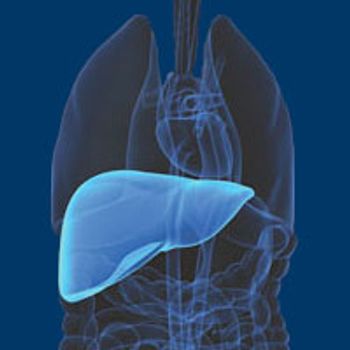
Topline results from the phase III RESORCE trial demonstrated that second-line treatment with regorafenib (Stivarga) represented a 38% reduction in the risk of death compared with best supportive care in patients with unresectable hepatocellular carcinoma.

After less than a week, the FDA has lifted a clinical hold placed on the phase II ROCKET study that is exploring the CAR T-cell therapy JCAR015 for adult patients with relapsed or refractory B cell acute lymphoblastic leukemia.
Walter M. Stadler, MD, discusses emerging therapies, the most overriding challenges in a specific subset of patients, and understanding the evolving role of chemotherapy in metastatic castration-sensitive prostate cancer.

The debate between the phase III CALGB/SWOG 80405 and FIRE-3 studies has been settled, as findings of a retrospective analysis of 80405 show that tumor location is significant in determining survival outcomes for patients with KRAS wild-type metastatic colorectal cancer.
Pembrolizumab (Keytruda) demonstrated promising antitumor activity with durable responses in patients with advanced thyroid cancer.

Treatment with aldoxorubicin failed to improve progression-free survival compared with investigator's choice of therapy for patients with advanced soft tissue sarcoma.

Antonio Palumbo, MD, discusses the practice-changing findings of the phase III CASTOR trial for relapsed/refractory patients and what questions remain with the 3-drug regimen.
Marcia S. Brose, MD, PhD, discusses the updated SELECT findings, how practitioners are treating patients with lenvatinib, how its use compares with sorafenib, and the challenges that still exist with both therapies for patients with thyroid cancer.

Michele Cavo, MD, provides insight on the results of the randomized phase III European Myeloma Network EMN02/HO95 MM trial for multiple myeloma.

Phase III results of the KRISTINE trial demonstrated that patients with HER2-positive early breast cancer had a significantly higher pathological complete response rate when they received the neoadjuvant regimen of docetaxel, carboplatin, and trastuzumab plus pertuzumab versus trastuzumab emtansine plus pertuzumab.

Sunitinib (Sutent) extended disease-free survival versus placebo as an adjuvant therapy for patients with renal cell carcinoma at high risk of recurrence in the phase III S-TRAC trial.
The FDA has placed a clinical hold on a phase II study exploring the CD19-targeted CAR-T cell therapy JCAR015 for adult patients with relapsed or refractory B cell acute lymphoblastic leukemia.
The FDA has approved the cobas HPV Test for use with SurePath Preservative Fluid for the detection of human papilloma virus (HPV) in cervical cells.
PD-L2 and the IFN-γ 6-gene signature may offer options beyond PD-L1 to predict response to pembrolizumab (Keytruda) in patients with recurrent or metastatic head and neck squamous cell carcinoma.
The FDA has issued two draft guidances that will provide regulatory oversight for the use of next-generation sequencing-based tests.

Adding the pan-PI3K inhibitor buparlisib (BKM120) to chemotherapy reduced the risk of disease progression or death by 35% in patients with advanced head and neck squamous cell carcinoma.
Bone metastases in castration-resistant prostate cancer create a significant problem, and a rising incidence of men are developing advanced disease.

Maura Dickler, MD, discusses findings from the recent phase II study exploring abemaciclib as a single agent in patients with HR-positive breast cancer, along with an upcoming phase III trial looking at combination strategies.

The European Commission has approved brentuximab vedotin (Adcetris) for use as a consolidation therapy following autologous stem cell transplantation in patients with CD30-positive Hodgkin lymphoma at risk of relapse or progression.
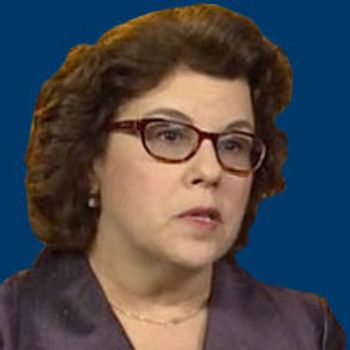
Joanne L. Blum, MD, PhD, discusses the design and phase III results from the ABC trials, and what impact the encouraging findings could have in patients with HER2-negative breast cancer.