
Dr Bardia discusses the FDA approval of T-DXd for patients with unresectable or metastatic, hormone receptor–positive, HER2-low/-ultralow breast cancer.
Dr Bardia discusses the FDA approval of T-DXd for patients with unresectable or metastatic, hormone receptor–positive, HER2-low/-ultralow breast cancer.
Dr Dronca discusses the FDA approval of subcutaneous nivolumab and hyaluronidase for advanced or metastatic solid tumors.
Dr Schram discusses the significance of the FDA approval of zenocutuzumab for NRG1 fusion–positive NSCLC and pancreatic adenocarcinoma.
Dr Harding discusses the significance of the FDA approval of zanidatamab for patients with HER2-positive metastatic biliary tract cancer.
Dr Shaughnessy discusses the significance of the FDA approval of obe-cel for patients with relapsed or refractory B-cell precursor ALL.
Dr Foss discusses the significance of the FDA approval of denileukin diftitox for patients with relapsed/refractory CTCL.
Dr Taylor discusses the significance of the FDA approval of vorasidenib for patients with IDH-positive grade 2 astrocytoma or oligodendroglioma.
Drs Patel and Stiles discuss the significance of the FDA approval of perioperative durvalumab for patients with resectable non–small cell lung cancer.
Dr Warner discusses the FDA approval of afami-cel for patients with advanced synovial sarcoma and key findings from the pivotal SPEARHEAD-1 trial.
Dr Tewari discusses the FDA approval of dostarlimab plus chemotherapy for patients with primary advanced or recurrent endometrial cancer.
Dr Westin discusses the FDA approval of durvalumab plus chemotherapy for patients with dMMR advanced or recurrent endometrial cancer.
Dr Sekeres discusses the significance of the FDA approval of imetelstat for patients with lower-risk MDS and transfusion-dependent anemia.
Dr Usmani details the FDA approval of cilta-cel for patients with relapsed/refractory multiple myeloma who have received at least 1 prior line of therapy.
Dr Jabbour expands on the FDA approval of ponatinib for patients with Ph-positive ALL, the agent’s mechanism of action, and data from the PhALLCON trial.
Dr Wainberg discusses the FDA approval of first-line NALIRIFOX for patients with metastatic pancreatic adenocarcinoma.

Dr Galsky discusses the FDA approval of enfortumab vedotin plus pembrolizumab for patients with locally advanced or metastatic urothelial cancer.
Dr Davids discusses the FDA approval of pirtobrutinib for patients with previously treated chronic lymphocytic leukemia/small lymphocytic lymphoma.
Dr Kasper discusses the FDA approval of nirogacestat for patients with progressing desmoid tumors; key efficacy, safety, and quality-of-life outcomes from the pivotal DeFi trial; and findings from an analysis investigating tumor volume and T2 hyperintensity changes with nirogacestat in patients enrolled in DeFi.
Dr Gradishar discusses the FDA approval of capivasertib plus fulvestrant for patients with advanced HR-positive, HER2-negative breast cancer harboring PIK3CA, AKT1, or PTEN alterations.
Drs Hanna and Kandula discuss the significance of the FDA approval of toripalimab in nasopharyngeal carcinoma; pivotal data from the JUPITER-02 and POLARIS-02 trials; and how this regulatory decision increases the importance of multidisciplinary collaboration.
Dr DiNardo discusses the the FDA approval of ivosidenib for patients with relapsed/refractory IDH1-mutant myelodysplastic syndromes, the unique mechanism of action of ivosidenib, and key efficacy and safety findings from the AG120-C-001 trial.

Dr Weber discusses the FDA approval of adjuvant nivolumab for patients with completely resected stage IIB/C melanoma, key efficacy data from the CheckMate76K trial, and potential future directions for PD-1 inhibitor–based combinations in the melanoma treatment paradigm.
Dr Sekeres discusses the FDA approval of quizartinib plus chemotherapy in patients with newly diagnosed, FLT3-ITD–positive AML, key efficacy and safety data from the QuANTUM-First trial, and how this quizartinib regimen addresses an unmet need for older patients in this population.
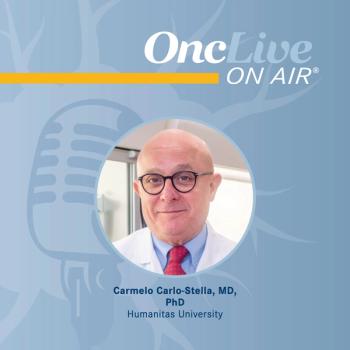
Dr Carlo-Stella discusses the FDA approval of glofitamab in relapsed/refractory DLBCL, key efficacy and safety findings from the NP30179 trial, and the benefits of glofitamab’s mechanism of action.

Dr Agarwal discusses the significance of the FDA approval of talazoparib plus enzalutamide in HRR gene–mutated mCRPC, key efficacy and safety data from the TALAPRO-2 trial, and how this combination further supports the use of PARP inhibitors in the mCRPC treatment paradigm.
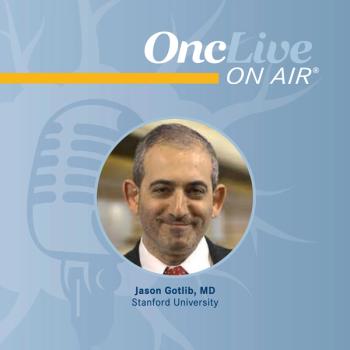
Dr Gotlib discusses the significance of the FDA approval of avapritinib in indolent systemic mastocytosis, key findings from the PIONEER trial, and the quality of life benefits that avapritinib provides for patients in this population.
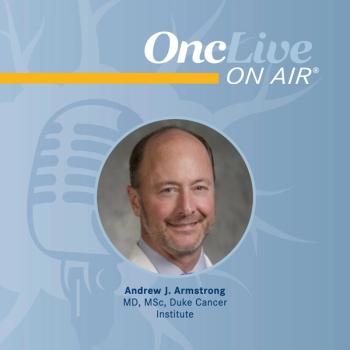
Dr Armstrong discusses the FDA approval of olaparib plus abiraterone in patients with BRCA-mutated mCRPC, key efficacy and safety data from the PROpel trial, and where the field of prostate cancer research may be headed in the future.
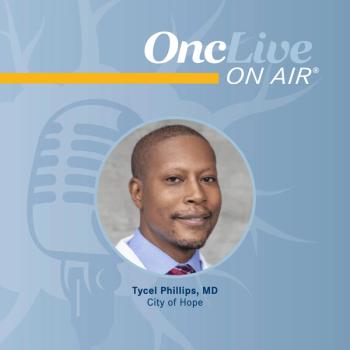
Dr Phillips discusses the FDA approval of epcoritamab in patients with relapsed/refractory DLBCL key efficacy and safety findings from the EPCORE NHL-1 trial, and the potential future of bispecific antibodies in this setting.
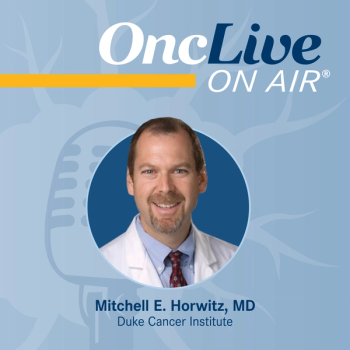
Dr Horwitz discusses the FDA approval of omidubicel in patients with blood cancers, key efficacy and safety data from the pivotal phase 3 trial, and the benefits omidubicel provides beyond improved neutrophil engraftment.
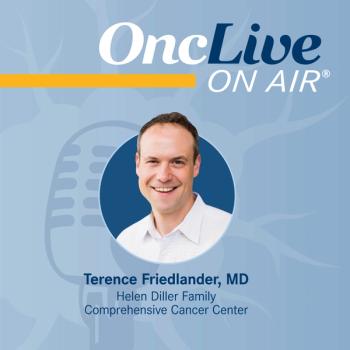
Dr Friedlander discusses the FDA approval of enfortumab vedotin plus pembrolizumab in patients with locally advanced or metastatic urothelial carcinoma, key efficacy and safety data from the EV-103 trial, and the importance of incorporating this regimen into the frontline setting for this population.