

Patients with a primary cutaneous melanoma thicker than 2 mm can be safely treated with a 2-cm resection margin.
Patients with a primary cutaneous melanoma thicker than 2 mm can be safely treated with a 2-cm resection margin.

Several advancements in research and drug approvals have changed the landscape of care for optimal treatment in patients with lymphoma, leukemia, and myeloma.

In an era when advances in chemoradiation and targeted therapies have revolutionized treatment in head and neck oncology patients, it's possible that treating physicians might not know where surgery fits into the regimen.

FISH testing for genetic abnormalities is the key to appropriate treatment selection for patients with CLL.

NICE has issued a draft recommendation against Yervoy approval, stating it does not show benefits to justify its costs.

Radium-223, an alpha-emitting radiopharmaceutical, has been shown to improve overall survival (OS) in men with metastatic castrationresistant prostate cancer (mCRPC) in an interim analysis of the ALSYMPCA trial.
Middle-aged men taking a class of drugs called statins to reduce cholesterol levels were shown to have reduced the risk of mortality due to prostate cancer by approximately 50%, according to a new study...
Bevacizumab (Avastin) improved progression-free survival (PFS) in patients with ovarian cancer but was not shown to affect overall survival (OS), according to a new study...
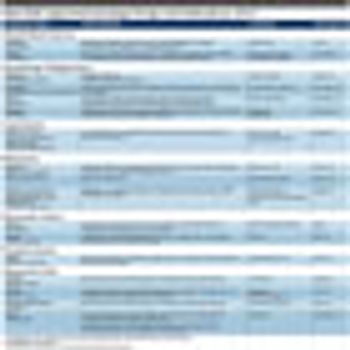
This chart lists the new FDA-approved oncology drugs of 2011 and indications.

The FDA approved more new oncology drugs in 2011 than it has in a single year in more than a decade, thanks in part to priority review and streamlined evaluation procedures. While this is good news for patients, oncology and hematology specialists must tackle the challenges posed by integrating new therapies into treatment plans. Leading specialists give their perspectives on key issues.

Patients with hormone receptor-positive metastatic breast cancer (MBC) frequently respond to multiple lines of endocrine therapy but, unfortunately, resistance eventually develops.

One of a small group of scientists who had a hand in developing Herceptin (trastuzumab) for the treatment of breast cancer, Dr. Debu Tripathy's current work is focused on understanding why some patients are resistant to the drug, and how to create more effective therapies for them.

p53 coordinates a number of antiproliferative programs in response to multiple forms of stress, including low oxygen, depletion of ribonucleotides, hyperactivation of growth signaling, and many forms of DNA damage.
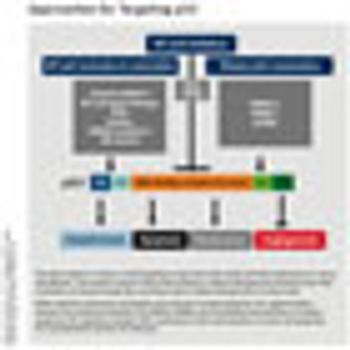
As its moniker As its moniker "guardian of the genome" suggests, p53 has become recognized as one of the most important cancer-related molecules in the cell.

Recently reported and truly impressive clinical trial data have revealed the relevance of administering antineoplastic agents specifically and prospectively targeted to molecular abnormalities.