

Discussions about new guidelines on molecular testing in patients with lung cancer and a keynote address from prominent researcher Tony S. Mok, MD, will be among the highlights of the upcoming 14th International Lung Cancer Congress.
Discussions about new guidelines on molecular testing in patients with lung cancer and a keynote address from prominent researcher Tony S. Mok, MD, will be among the highlights of the upcoming 14th International Lung Cancer Congress.

The quest to deliver optimal radiation therapy for patients with prostate cancer has led to a variety of advances in technologies and techniques, yet key questions remain unanswered.

Mutations of the HER2 gene in patients with non-small cell lung cancer, though rare, potentially could be treated with HER2-targeted drugs.

Challenges remain regarding the mechanisms of docetaxel resistance, whether combination studies continue to make sense, and how the sequencing of docetaxel may impact toxicity and efficacy.

Although recent findings suggest some patients with HER2-negative breast cancer would benefit from therapies directed against overexpression of the protein, two leading oncologists do not see an immediate impact on clinical practice as further validation is needed.

As one of the world's top multiple myeloma physicians and researchers, Brian G.M. Durie, MD, can boil his mission down to one simple goal: saving lives. But it was two people the doctor couldn't save who have most affected his path.
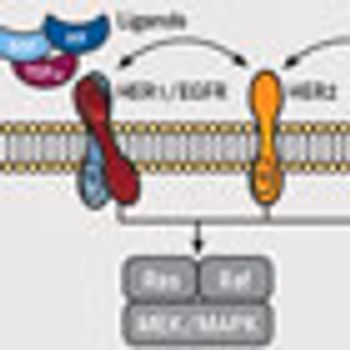
New research suggests that HER2-targeted drugs may actually have much broader applications, benefiting patients who are not designated HER2-positive by routine testing.

Max S. Wicha, MD, is an internationally renowned research expert in the field of breast oncology. His lab was part of the first team to discover stem cells in breast cancer, and he is among the most highly cited investigators in the field of cancer stem cells.

The security of genetic data collected from research study participants has emerged as a concern after investigators proved they could ferret out individual identities from large databases.

The SGO asserts that women with gynecologic cancers frequently receive uncoordinated, fragmented testing and treatment from multiple providers at a variety of sites, often without the involvement of a specialist or supportive services.

While chemotherapy might initially be effective in the treatment of patients with metastatic breast cancer, it is very common for patients to develop resistance to such agents.