

Mustard derivatives' potent lethality has ensured its descendents a place in oncology treatment regimens today, even amid advances in targeted therapies.
Mustard derivatives' potent lethality has ensured its descendents a place in oncology treatment regimens today, even amid advances in targeted therapies.

Delivering higher doses of external beam radiation in a shorter period of time was as effective as conventional radiation in preventing treatment failure in men with intermediate- to high-risk prostate cancer.

Several molecular markers for AML are now used at top-tier cancer centers for prediction, treatment selection, and monitoring response.

Genetic markers are becoming a more integral part of diagnosing cancer and determining which patients will encounter more aggressive forms of their disease.

A proposed overhaul of the NCI's clinical trials system has created anxiety among gynecologic researchers who fear projects in women's cancer will be diminished in a scramble for funding with more common malignancies.

As cancer treatments become more personalized, patients will be faced with learning complex biological concepts if they want to understand their tumors -- and their choices.

As the incidence of head and neck cancers linked to the HPV continues to rise, a federal advisory panel has recommended that all 11- and 12-year-old boys be vaccinated against the virus.
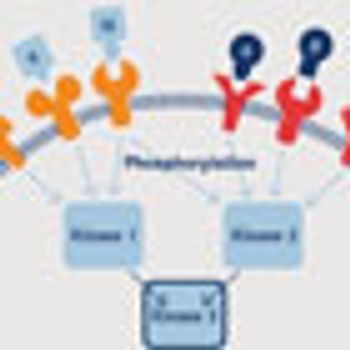
Since its discovery, phosphorylation has come to be recognized as a global regulator of cellular activity, and abnormal phosphorylation is implicated in a host of human diseases.

Martin Steffen, MD, PhD, developed phosphorylation signatures that discriminate between lung tumors and normal lung, and is developing signatures for the prediction of therapy response.

Andre Goy, MD, MS, treats lymphoma patients at New Jersey's largest cancer center, Goy, 54, is also a translational researcher widely known for his work showing the first-ever evidence of activity of bortezomib.

Although the use of tumor markers to evaluate patients with breast cancer is well established, the nuances involved in such testing are growing along with the emergence of novel assays and fresh research findings.

The presence or absence of lymph node involvement has long been recognized as a critically relevant prognostic factor in solid tumor oncology.