

Matthew H. Kulke, MD, MMSc, discusses the clues obtained from genome sequencing studies in neuroendocrine tumors and the pressing need for further research.
Matthew H. Kulke, MD, MMSc, discusses the clues obtained from genome sequencing studies in neuroendocrine tumors and the pressing need for further research.
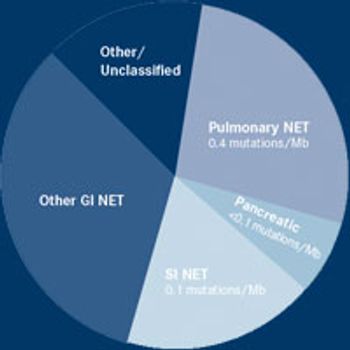
Genome sequencing studies are providing clues for therapeutic avenues of inquiry for the most common types of neuroendocrine tumors but are raising as many questions as they answer.

Value-based care is becoming a new catch phrase in American medicine, especially in the oncology arena.
Researchers of Sanford Burnham Prebys Medical Discovery Institute indicates that p62 may represent a link connecting obesity, inflammation, and progression of certain cancers.
After a decade of advances in the diagnosis and treatment of patients with adenocarcinoma non-small cell lung cancer, the prospect for further progress remains bright.
If germline testing for a cancer-associated purpose reveals the risk of an unrelated illness like Alzheimer disease, should patients routinely be told—even if there’s nothing that can be done about that “incidental†finding?