
The recent approval of nivolumab in combination with ipilimumab demonstrates the utility of dual immunotherapy for patients with hepatocellular carcinoma.
The recent approval of nivolumab in combination with ipilimumab demonstrates the utility of dual immunotherapy for patients with hepatocellular carcinoma.
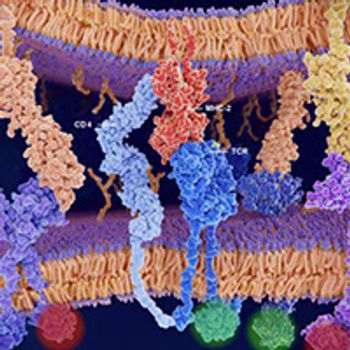
Over the past decade, immunotherapy has established itself as one of the pillars of cancer treatment, thanks in large part to the success of monoclonal antibodies that target the immune checkpoint protein PD-1 or its main ligand, PD-L1.
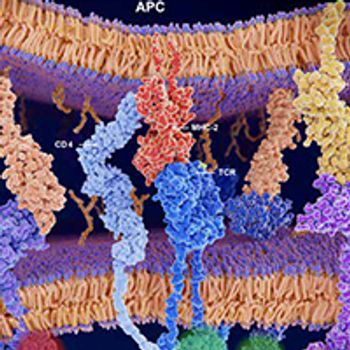
Over the past decade, immunotherapy has established itself as one of the pillars of cancer treatment, thanks in large part to the success of monoclonal antibodies that target the immune checkpoint protein PD-1 or its main ligand, PD-L1.
Pharmacists can play a role in the drug reimbursement process for oncology products, which are among the most expensive of all pharmaceuticals.

Collectively, there are more options than ever in the space of HER2-positive breast cancer brain metastases, a significant advance for our hundreds and thousands of patients facing this challenging disease.
Investigators are testing whether the addition of inhibitors targeting the PD-1 and IDO immune pathways to standard chemotherapy in the neoadjuvant setting will offer superior outcomes for patients with muscle-invasive bladder cancer.
During a recent OncLive Peer Exchange®, a panel of experts in adult and pediatric leukemia provided insight on how they use minimal or measurable residual disease (MRD) to guide treatment decisions, including transplantation and choice of therapy in patients who demonstrate MRD positivity after induction and first- and subsequent-line therapies.
Immunoglobulin light chain amyloidosis is the most common form of systemic amyloidosis and is characterized by rapidly progressive organ failure and eventually patient demise, if not promptly recognized and treated.
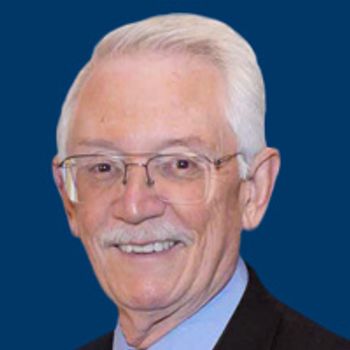
David R. Gandara, MD, an esteemed lung cancer specialist and 2017 Giants of Cancer Care® award winner, views himself not only as a physician-scientist, but also as an educator and communicator.

Aditya Bardia, MD, MPH, discusses how the antibody-drug conjugate sacituzumab govitecan-hziy can address the unmet need in metastatic triple-negative breast cancer and the toxicities seen with the therapy.
At this moment, we should consider what it will take for the scientific community as a collective entity to self-regulate far more forcefully so that the actions of a limited number of its members do not squander the well-deserved awakening of public trust in the entire scientific enterprise.