
Up to 40% of patients with diffuse large B-cell lymphoma are refractory to or relapse after first-line treatment.
Up to 40% of patients with diffuse large B-cell lymphoma are refractory to or relapse after first-line treatment.
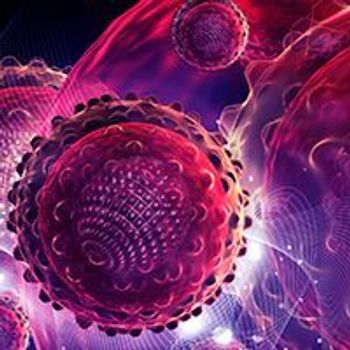
Following in the footsteps of the cytokine interleukin-2, IL-15 affords investigators similar qualities as a target without the associated toxicities of its immunotherapeutic predecessor.

Eric Liu, MD, FACS, reviews treatment options, pitfalls of diagnoses, and the importance of involving specialists and advocates early in neuroendocrine tumors.

Igor Puzanov, MD, MSCI, FACP, discusses the adverse effects associated with immunotherapy and how to manage them.

Data-driven health economics and outcomes research offers clinicians effective methods for improving quality of life and outcomes for patients and optimizing economic benefits for the practice.
Although molecular biomarkers are becoming increasingly relevant in cancer care, community oncologists confront a plethora of challenges in translating research findings into practice.
Mark Awad, MD, PhD, discusses how the approval of nivolumab opens the door for the new regimen to become a backbone for future treatment strategies.
Lori A. Leslie, MD, reviews how the approval of axicabtagene ciloleucel may impact or enhance current practice patterns for adult patients with large B-cell lymphoma.
Maurie Markman, MD, discusses the need for oncologists to improve communication with the public and patients.