The treatment of patients with early-stage non–small cell lung cancer is rapidly evolving across the spectrum of care, particularly in the neoadjuvant setting, where evidence in favor of systemic chemoimmunotherapy regimens is growing.

Associate Director of Editorial, Print
Anita T. Shaffer is your lead editorial contact for OncologyLive®, a twice monthly clinical news publication. A 10-year veteran of MJH Life Sciences™, she has been at the helm of the publication since shortly after joining the company in 2010. Before becoming an oncology journalist, she held a variety of editorial positions at The Times of Trenton, including metro editor. Email: anitashaffer@onclive.com
The treatment of patients with early-stage non–small cell lung cancer is rapidly evolving across the spectrum of care, particularly in the neoadjuvant setting, where evidence in favor of systemic chemoimmunotherapy regimens is growing.

The menu of tissue-agnostic oncology drug approvals is growing, generating new treatment options for patients with rare cancers and strengthening the rationale for broad next-generation sequencing.

Although molecular biomarkers are becoming increasingly relevant in cancer care, community oncologists confront a plethora of challenges in translating research findings into practice.

Patients with newly diagnosed metastatic triple-negative breast cancer should undergo PD-L1 expression testing on tumors to determine whether they are candidates for frontline chemoimmunotherapy.

The immune checkpoint TIM-3 is shaping up to be a viable target for designing therapies for patients with non–small cell lung cancer and other malignancies.

Novel therapeutic strategies are poised to expand in adjuvant settings for patients with early-stage disease facing recurrence risks in the treatment paradigms for a range of tumor types after positive data from large phase 3 clinical trials were highlighted at the 2021 American Society of Clinical Oncology Annual Meeting

The FDA’s Oncologic Drugs Advisory Committee is poised to move forward this week with a public review of 6 indications for immune checkpoint inhibitors granted under the agency’s accelerated approval process that later failed to reach thresholds for statistical significance for key end points in confirmatory clinical trials.
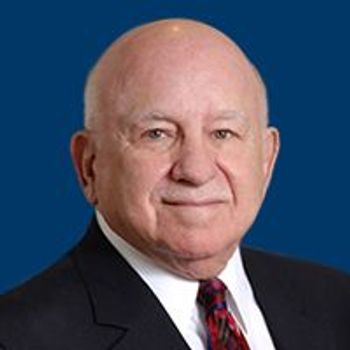
Joseph V. Simone, MD, a pioneering clinical investigator and institutional leader in pediatric oncology who was recognized with a 2017 Giants of Cancer Care® award, died January 21 at the age of 85.

Maximilian Diehn, MD, PhD, discusses how the use of circulating tumor DNA to analyze minimal residual disease status in patients with lung cancer and other solid tumors is a rapidly developing field with the potential to further personalize treatment decisions about adjuvant therapy.

Mosunetuzumab, a novel bispecific antibody, generated durable responses in patients with highly refractory non-Hodgkin lymphomas, including complete remissions in 22.2% of those who had previously received chimeric antigen receptor T-cell therapy.

The development of tyrosine kinase inhibitors has revolutionized the treatment of EGFR-mutant non–small cell lung cancer in recent years, but new strategies are needed to overcome resistance mechanisms that promote disease recurrence.

Fresh insights into outcomes for patients with low-risk, HER2-positive breast cancer suggest that adjuvant chemotherapy regimens with or without trastuzumab (Herceptin) should be considered as options for managing this growing population

Although the potential for next-generation sequencing of breast cancer tumors to improve treatment strategies is widely recognized, questions swirl about the optimal use of such increasingly available technologies in clinical practice for today's patients.

A wide-ranging analysis of more than 5500 breast cancer tumors that combined genomic and protein expression testing has identified promising targets to explore for treating patients with poor prognoses, with particularly notable findings involving androgen receptor (AR) expression

The search for a screening tool that can help detect lung cancers at early stages has been a focus of research aimed at the leading cause of cancer death in the United States.

There's been a flurry of activity in recent weeks when it comes to oncology drug filings at the FDA. While every application is unique, the agency is required to decide within 60 days whether a new drug application (NDA) will move forward for a full review.

Intellisphere, the publisher of Oncology Net Guide, will launch a dynamic Internet oncology news and information hub in March, along with a rechristened version of the print magazine linked to the vibrant new content on the Website.

January 7th 2022

December 7th 2019

March 7th 2011