
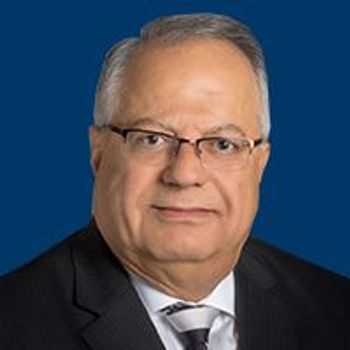
Nizar Tannir, MD, FACP, discusses the results of the phase 2 CANTATA trial with telaglenastat plus cabozantinib and future research directions for the glutaminase inhibitor.
This publication provides coverage of data in genitourinary cancers that were presented at the 2021 ASCO Annual Meeting.
Nizar Tannir, MD, FACP, discusses the results of the phase 2 CANTATA trial with telaglenastat plus cabozantinib and future research directions for the glutaminase inhibitor.

The hypoxia-inducible factor-2 alpha inhibitor belzutifan maintained clinical efficacy with further follow-up in patients with Von-Hippel Lindau–associated renal cell carcinoma, as well as other VHL-associated neoplasms.

Cabozantinib exposure was not significantly associated with progression-free survival but appeared to predict high rates of palmar-plantar erythrodysesthesia and diarrhea in patients with advanced renal cell carcinoma treated with the frontline combination of cabozantinib and nivolumab.

The addition of lenvatinib to pembrolizumab elicited a notable survival benefit and improved responses over single-agent sunitinib in patients with advanced renal cell carcinoma across evaluable International Metastatic RCC Database Consortium risk subgroups.

The combination of pembrolizumab and cabozantinib induced a response in more than half of patients with metastatic renal cell carcinoma at the recommended phase 2 dose with a manageable safety profile, meeting the primary end point of a phase 1/2 trial.

Bone-protecting agents utilized during treatment with radium-223 plus enzalutamide reduced the risk for fractures in men with asymptomatic or mildly symptomatic metastatic castration-resistant prostate cancer.

Avelumab as frontline maintenance plus best supportive care demonstrated a survival benefit compared with BSC alone across several previously unreported subgroups of patients with advanced urothelial cancer who have progressed on first-line platinum-containing chemotherapy.