Eric S. Nadler, MD, medical oncologist, Baylor University Medical Center, medical director, US Oncology Health Informatics and Internet Technology, discusses the IMpower131 study in squamous metastatic non–small cell lung cancer.
Eric S. Nadler, MD, medical oncologist, Baylor University Medical Center, medical director, US Oncology Health Informatics and Internet Technology, discusses the IMpower131 study in squamous metastatic non–small cell lung cancer.
Ronan J. Kelly, MD, MBA, chief of oncology for the ten Baylor Scott & White Health's North Texas Cancer Centers and director of oncology at the Baylor Charles A. Sammons Cancer Center on the campus of Baylor University Medical Center, discusses the benefit of immunotherapy in patients with stage III non–small cell lung cancer (NSCLC).
Kartik Konduri, MD, medical director, Chest Cancer Research and Treatment Center, Baylor Charles A. Sammons Cancer Center, Baylor Scott & White Health, discusses the promise of next-generation sequencing testing in patients with non–small cell lung cancer.
Eric S. Nadler, MD, medical oncologist, Baylor University Medical Center, medical director, US Oncology Health Informatics and Internet Technology, discusses the role of PD-L1 in patients with squamous non–small cell lung cancer.
Ronan J. Kelly, MD, MBA, addresses the paradigm shift in stage III unresectable non–small cell lung cancer before delving into the complex field of ALK-rearranged disease.
Kartik Konduri, MD, discusses the use of combination therapies and newer agents in patients with targetable driver mutations.
Kartik Konduri, MD, medical director, Chest Cancer Research and Treatment Center, Baylor Charles A. Sammons Cancer Center, Baylor Scott & White Health, discusses treatment options available for patients with EGFR-mutant non–small cell lung cancer (NSCLC).

Kartik Konduri, MD, co-medical director of the Lung Cancer Center of Excellence, Baylor Charles A. Sammons Cancer Center, on the campus of Baylor University Medical Center, discusses sequencing therapy in patients with EGFR-positive non–small cell lung cancer.
Ghanshyam Yadav, MD, first-year resident, Baylor College of Medicine, discusses the synergy of a novel combination in the treatment of patients with HER2-overexpressing uterine serous carcinoma.

Baylor Scott & White Health named Ronan Kelly, MBBCh, MD, MBA, chief of oncology for the organization's North Texas medical centers.
Mothaffar F. Rimawi, MD, an associate professor and director of Clinical Research at the Lester and Sue Smith Breast Center at Baylor College of Medicine, discusses the KATHERINE trial in HER2-positive breast cancer.
A. David McCollum, MD, attending oncologist, Baylor University Medical Center, discusses the clinical utility of regorafenib (Stivarga) in metastatic colorectal cancer (mCRC).
Shirley Michelle Shiller, DO, member of the Precision Medicine Institute's Advisory Committee, Baylor University Medical Center, discusses molecular diagnostics in gastrointestinal (GI) cancers.
A. David McCollum, MD, oncologist, Baylor University Medical Center, discusses maintenance therapy for patients with metastatic colorectal cancer.

Carlos Becerra, MD, medical oncologist, Texas Oncology, discusses dosing strategies in the treatment of patients with colorectal cancer.
Scott Paulson, MD, co-director of the Gastrointestinal Research Program for The US Oncology Network, medical director for the Neuroendocrine Research and Treatment Center at Baylor Charles A. Sammons Cancer Center, Baylor University Medical Center, discusses unmet needs in the treatment of patients with neuroendocrine tumors.
Shirley Michelle Shiller, DO, member of the Precision Medicine Institute's Advisory Committee, Baylor University Medical Center, discusses next-generation sequencing in gastrointestinal malignancies.

Carlos Becerra, MD, medical oncologist, Texas Oncology, discusses an investigational cellular therapy in colorectal cancer.

Scott Paulson, MD, co-director of the Gastrointestinal Research Program for The US Oncology Network, medical director for the Neuroendocrine Research and Treatment Center at Baylor Charles A. Sammons Cancer Center, Baylor University Medical Center, discusses the current treatment of patients with neuroendocrine tumors.
Carlos Becerra, MD, medical oncologist, Texas Oncology, discusses sequencing therapies in the treatment of patients with pancreatic cancer.
A. David McCollum, MD, discusses the need for greater use of molecular profiling, the importance of tumor sidedness when selecting a treatment regimen, and the value of maintenance therapy in patients with metastatic disease.
Carlos Becerra, MD, medical oncologist, Texas Oncology, discusses regorafenib (Stivarga) dosing in the treatment of patients with metastatic colorectal cancer.
Claude Denham, MD, discusses the challenges with immunotherapy in NSCLC cancer, as well as the promise of combination therapy.

Kartik Konduri, MD, co-medical director of the Lung Cancer Center of Excellence, Baylor Charles A. Sammons Cancer Center, Baylor University Medical Center, discusses lingering questions in patients with non–small cell lung cancer (NSCLC).

Claude Denham, MD, Baylor Medical Center, discusses the manifestation of hyperprogression in patients with non–small cell lung cancer (NSCLC) who have been treated with immunotherapy.
Gary Schwartz, MD, Baylor Scott & White Center for Thoracic Surgery, discusses the potential of single-agent durvalumab (Imfinzi) for the treatment of patients with stage III, locally advanced, unresectable non–small cell lung cancer (NSCLC).
Shirley Michelle Shiller, DO, member of the Precision Medicine Institute's Advisory Committee, Baylor University Medical Center, discusses the difficulties that are preventing a more streamlined approached in testing for biomarkers.
Shirley Michelle Shiller, DO, member of the Precision Medicine Institute’s Advisory Committee, Baylor University Medical Center, discusses the emerging technology of liquid biopsies and the clinical success associated with them.

Scott Paulson, MD, co-director of the Gastrointestinal Research Program for The US Oncology Network, medical director for the Neuroendocrine Research and Treatment Center at Baylor Charles A. Sammons Cancer Center, Baylor University Medical Center, discusses the unmet need for symptom control in patients with gastrointestinal cancers.
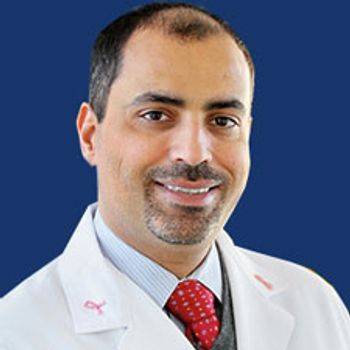
Mothaffar Fahed Rimawi, MD, discusses the significance of precision medicine in HER2-positive breast cancer, as well as the possible role of immunotherapy for this specific population.