
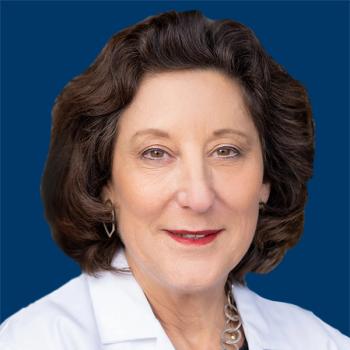
Hope S. Rugo, MD, FASCO, discusses key considerations and unanswered questions arising from the DESTINY-Breast09 trial in HER2-positive breast cancer.
Hope S. Rugo, MD, FASCO, discusses key considerations and unanswered questions arising from the DESTINY-Breast09 trial in HER2-positive breast cancer.
Elacestrant-based combinations were safe and displayed preliminary efficacy in ER-positive/HER2-negative advanced breast cancer.

Hope Rugo, MD, discusses the application of findings from the DESTINY-Breast09 trial of T-DXd plus pertuzumab in HER2-positive breast cancer.
Hope Rugo, MD, discusses the evolving use of antibody-drug conjugates in HER2-positive breast cancer.
Daneng Li, MD, discusses the efficacy and safety findings of a casdozokitug-based regimen in unresectable, advanced HCC.
Here is your snapshot of all therapeutic options that were approved by the FDA in May 2025 spanning tumor types.
Maurie Markman, MD, explores the key role of clinical judgment in treatment decision-making and its impact on patient outcomes in cancer research.
Alexis LeVee, MD, discusses clinical trials investigating ADCs that may change treatment standards for patients with various subtypes of breast cancer.
The top 5 OncLive videos of the week cover insights in ovarian cancer, prostate cancer, chronic lymphocytic leukemia, and breast cancer.
Alexis LeVee, MD, discusses ongoing trials investigating immunotherapy agents and antibody-drug conjugates that may challenge the current SOC for TNBC.
The FDA approved frontline retifanlimab/chemotherapy for metastatic SCAC and retifanlimab monotherapy for metastatic SCAC with progression on chemotherapy.
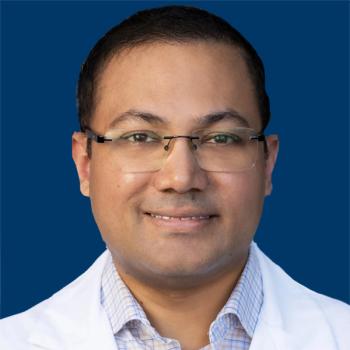
Aditya Shreenivas, MD, MS, discusses the FDA approval of penpulimab for recurrent/metastatic non-keratinizing NPC.
Maurie Markman, MD, discusses the complexities of cancer care financing in the US, highlighting the need for innovative solutions amidst rising costs.
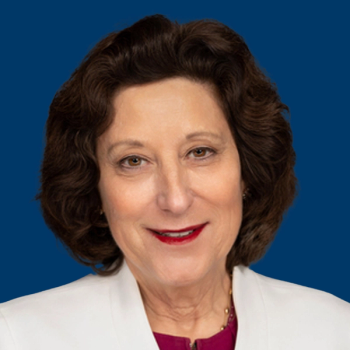
Hope S. Rugo, MD, has led key breast cancer therapy trials and exudes a passion for serving patients.
Maurie Markman, MD, discusses the potential to shift the focus of cancer research towards the "real high technology of medicine", such as cancer vaccines.
Scientists transform genetic culprit behind treatment resistance into a skillful tool to use against cancer

Andreas M. Kaiser, MD, discusses the benefits of minimally invasive surgery for patients with colorectal cancer.
The evolution of biomedical research continues to pose quite thorny ethical dilemmas.
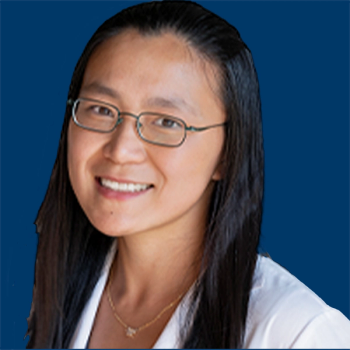
Preclinical data showed that mutated cells can persist for years without becoming cancer and require additional inflammatory push for malignancy to occur.
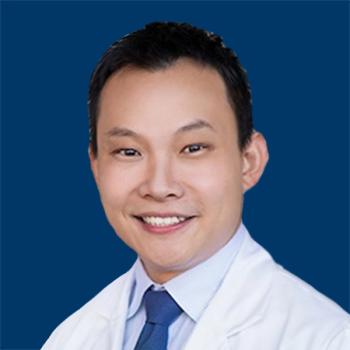
Yufei Liu, MD, PhD, discusses current radiation strategies, including SBRT and IMRT, along with the benefits of radiation therapy in colorectal cancer.
The top 5 OncLive videos of the week cover insights in gynecologic cancer, multiple myeloma, urothelial cancer, MPNs, and prostate cancer.

Alan H. Bryce, MD, discusses treatment comparisons of ARPI efficacy according to disease volume and timing of metastasis development in mHSPC.
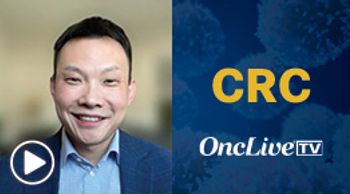
Yufei Liu, MD, PhD, discusses SBRT and IMRT strategies and the role of radiation in patients with colorectal cancer.
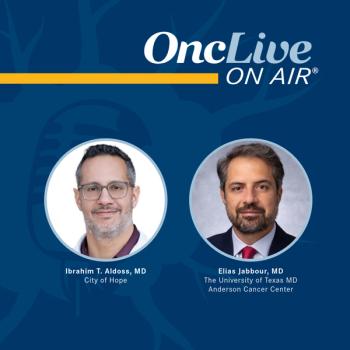
Drs Aldoss and Jabbour discuss an analysis of PhALLCON that support the use of ponatinib monotherapy after TKI/chemotherapy treatment in Ph-positive ALL.
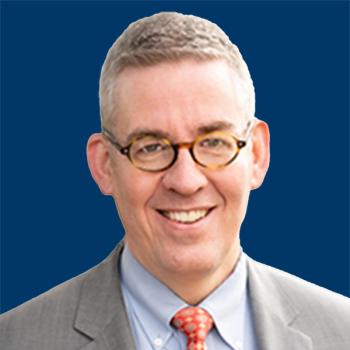
Andreas M. Kaiser, MD, discusses strategies to reduce postoperative complications and determine surgical eligibility in patients with CRC.
Ajay Goel, PhD, AGAF, discusses the potential utility of CA19-9 with an exosome-based liquid biopsy as a diagnostic biomarker in early-stage pancreatic cancer.
Andreas M. Kaiser, MD, discusses the differences between minimally invasive surgical approaches for colorectal cancer in community vs academic settings.
Tycel J. Phillips, MD, MPH, discusses the need for more large, randomized clinical trials enrolling patients with high-risk MCL.
Richard T. Lee, MD, discusses research showing the benefits of acupuncture, ginger, and ginseng for improving symptoms in patients with GI cancers.

Daneng Li, MD, discusses a trial evaluating casdozokitug plus atezolizumab and bevacizumab in unresectable, locally advanced or metastatic HCC.